
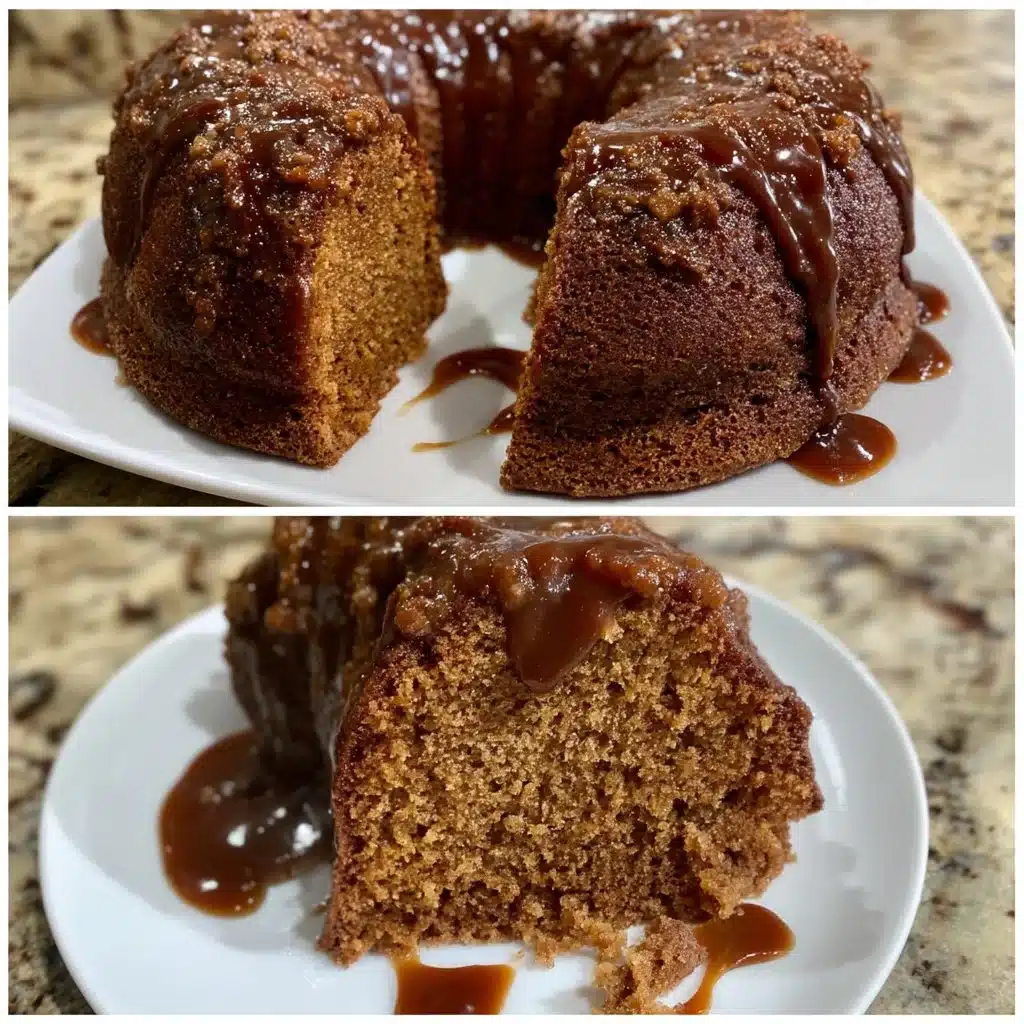
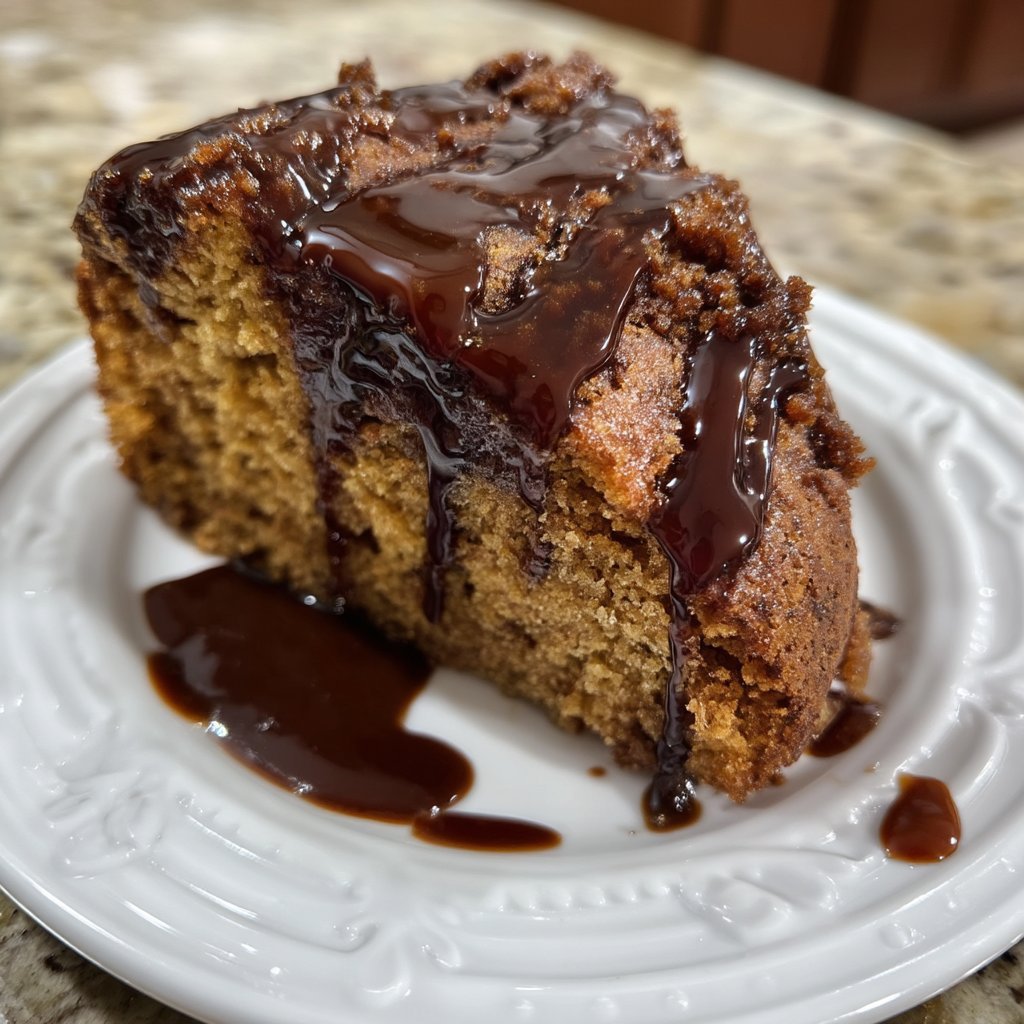
The first bite is all velvet and warmth: a tender crumb that drinks up the espresso glaze and leaves behind a gentle chocolate hug. The bright, slightly fruity olive oil keeps the cake surprisingly moist, while the cocoa and coffee deepen the flavor so each forkful tastes like a cozy afternoon by the window. This Mocha Olive Oil Cake with Espresso Glaze gives you a faint shimmer on top where the glaze settles, a soft echo of aroma that makes the kitchen smell like someone has just brewed a fresh pot of coffee and melted a little chocolate into it. If you love olive-oil-forward cakes, you might enjoy a lighter lemon version that carries the same homey comfort; find that idea here: Almond Lemon Ricotta Cake with Lemon Glaze.
This cake feels like a classic comfort food for family gatherings because it’s unpretentious and forgiving. It pairs well with simple things—fresh fruit, a scoop of vanilla ice cream, or a warm mug of tea—and it holds together for passing plates and second helpings. The texture is sturdy enough to slice without crumbling, yet tender enough that it almost melts against your tongue. It’s one of those desserts that doesn’t need fancy plating; set it on the table, and it invites conversation and memories. Grandmothers will nod approvingly at its familiar flavors, and daughters will appreciate how quick it comes together. A bowl of soup, a platter of roasted fruit, or a small cheese board all make easy companions when you want a sweet bite without fuss.
This version is wonderfully simple and forgiving. With just a few mixing steps and no special equipment, it’s a cake that even a sleepy afternoon can handle. The method keeps things straightforward: combine the wet ingredients, fold in the dry, pour, and bake. The glaze is just espresso and powdered sugar, whisked until glossy nothing fussy, just bright and coffee-forward. Because the cake uses olive oil rather than butter, it stays fresh longer and slices beautifully the next day. If you want something truly foolproof, keep a modest eye on oven time and mix until smooth when combining the glaze ingredients.
Why this recipe works
The success of this cake rests on a few very sensible choices that give it great texture and make it easy to prepare. Olive oil is the hero for moisture. Unlike butter, it doesn’t solidify as it cools, so the crumb stays tender and soft even a day later. That slightly fruity character of a good olive oil lifts the cocoa, rather than weighing it down, and it keeps the cake from feeling heavy. The trio of sugar, eggs, and a touch of baking powder provides structure without needing complex creaming techniques. The eggs add richness and help bind the batter, while the sugar keeps the crumb tender and gives that gentle caramelized note at the edges.
Cocoa powder contributes concentrated chocolate flavor without extra fat, which is why the espresso glaze is essential. The brewed espresso deepens the chocolate and creates a lively contrast against the oil’s fruitiness. Salt is small but vital here; it brightens the chocolate and balances sweetness. The baking powder offers just enough lift for a cake that’s light but still dense enough to hold up to glaze and slicing. Because everything moves quickly whisk wet, combine dry, fold together this recipe is excellent for cooks who want great results without fuss.
This balance of ingredients also explains why the Mocha Olive Oil Cake with Espresso Glaze works for many occasions. It’s sturdy for transport, forgiving for novice bakers, and easy to dress up with a dusting of powdered sugar or a scattering of chopped toasted nuts. If you like exploring slightly different flavor paths, you can lean into citrus or toasted almond notes without changing the basic, dependable structure. For a contrast in texture, a little whipped cream on the side keeps things light. If you enjoy other bright, citrusy cakes, you can compare techniques with a lemon-style olive oil cake and borrow ideas from that approach; see one such inspired lemon cake here: Almond Lemon Ricotta Cake with Lemon Glaze.
How to prepare Mocha Olive Oil Cake with Espresso Glaze
Begin by measuring everything so you’re ready to go. This cake comes together quickly: whisk the oil and sugar, add the eggs, fold in the dry ingredients, and alternate the espresso so the batter stays smooth and silky. The most satisfying part is watching the batter transform from glossy and loose into a rich, chocolatey ribbon as it falls from the spoon—there’s something so comforting about that slow pour into the pan. When it bakes, the aroma fills the house and you’ll find yourself checking the oven more than once, simply because it smells like warmth and family.
When you make the glaze, whisk powdered sugar and espresso until glossy. It’s important to pour it over the cooled cake so it soaks in just enough without running off. Remember to mix until smooth when combining the glaze ingredients; a few seconds of stirring brings everything together and gives you that shiny finish that looks as inviting as it tastes.
Ingredients
- 1 cup olive oil
- 1 cup granulated sugar
- 3 large eggs
- 1 cup all-purpose flour
- 1/2 cup cocoa powder
- 1 tsp baking powder
- 1/2 tsp salt
- 1/2 cup brewed espresso
- 1 tsp vanilla extract
Instructions
- Preheat your oven to 350°F (175°C). Grease a cake pan.
- In a large bowl, whisk together the olive oil and sugar until well combined.
- Add the eggs one at a time. Mix well after each addition.
- In another bowl, sift together the flour, cocoa powder, baking powder, and salt.
- Gradually add the dry ingredients to the wet mixture, alternating with the espresso and vanilla. Mix until just combined.
- Pour the batter into the prepared cake pan. Smooth the top.
- Bake for 30–35 minutes. A toothpick inserted in the center should come out clean.
- Let the cake cool completely before glazing.
- For the glaze, mix powdered sugar with brewed espresso until smooth. Pour the glaze over the cooled cake.
Serving ideas
- A scoop of vanilla ice cream brings a creamy contrast to the mocha glaze.
- Fresh berries or a simple fruit salad add brightness and a pop of color.
- A small bowl of lightly sweetened whipped cream is lovely for guests who like a softer bite.
Drink pairing:
- A cup of black coffee or a milky latte complements the espresso notes and keeps the experience cozy.
Storing this recipe
Refrigerator: Store the glazed cake covered with plastic wrap or in an airtight container. It will keep well for up to 4 days in the fridge because the olive oil helps preserve moisture. Let the cake come to room temperature before serving to soften the glaze and mellow the chill.
Freezing: You can freeze the unglazed cake layers wrapped tightly in plastic and foil for up to 3 months. Thaw overnight in the refrigerator and bring to room temperature before adding the glaze. If you plan to freeze, it’s best to glaze only after thawing so the glaze has a fresh shine.
Reheating: Warm individual slices in the microwave for 10–15 seconds to revive softness. For a crisper edge, toast slices for a few minutes in a 325°F oven; watch closely so the glaze doesn’t burn. If the glaze stiffens in the fridge, a quick pass at room temperature or a light nap under a cloth will soften it.
Recipe tips
Tip 1 Watch your espresso and cocoa ratio. Use a properly brewed, cooled espresso for the deepest flavor without adding extra liquid. Too much coffee can thin the batter and change baking time. If your espresso is very strong, you may want to reduce the intensity slightly by adding a little more vanilla or a touch more sugar to balance bitterness. When mixing, be gentle: fold the dry ingredients into the wet with a spatula to preserve the tender crumb and avoid overmixing, which can make the cake tough.
Tip 2 Choose the right olive oil. A mild, light-flavored extra-virgin olive oil works best here. If the oil is too peppery or grassy, it will compete with the chocolate. If you prefer, use a neutral oil labeled mild-flavored olive oil from a trusted bottle. Measure carefully and bring ingredients to room temperature for even mixing. Cold eggs can slow emulsification and make the batter feel separated at first; timing everything helps it come together smoothly.
Tip 3 Do not glaze a warm cake. Let it cool completely on a rack before pouring the espresso glaze. Pouring onto a warm cake will make the glaze run off and leave you with thin coverage. Patience rewards you with a glossy, soaked finish that settles nicely. When preparing the glaze, sift the powdered sugar if you see lumps and then stir briskly until you mix until smooth; the right texture should be pourable but not watery. If it’s too thick, add a teaspoon of espresso at a time; if it’s too thin, add a bit more powdered sugar. These small adjustments keep the final appearance and texture just right.
These three tips address common mistakes—overmixing, using overpowering oil, and glazing too soon—so you’ll get a reliably tender cake with an elegant coffee-kissed topping. Practice once or twice and you’ll have the rhythm down: quick whisking, gentle folding, patient cooling, and a confident pour of glaze. It’s a simple routine that yields a cake worthy of company, weekday treats, and holiday coffee hours alike.
Recipe variations
- Nutty twist: Fold in 1/2 cup toasted chopped hazelnuts or almonds before pouring the batter into the pan for a lovely crunch.
- Orange mocha: Add 1 tablespoon of orange zest to the batter and a teaspoon of orange liqueur to the glaze for a bright citrus note.
- Chocolate chips: Stir in 1/2 cup dark chocolate chips for pockets of melted chocolate that pair nicely with the espresso glaze.
Frequently asked questions
Q: Can I use regular brewed coffee instead of espresso?
Yes. Use strong brewed coffee if you don’t have espresso. It will be slightly less intense, so consider reducing any additional liquid slightly or using a touch less coffee to keep batter consistency the same.
Q: Will the cake stay moist without the glaze?
Absolutely. The olive oil keeps the crumb moist by itself. The glaze adds flavor and sheen, but the cake will remain tender even plain.
Q: Can I make this cake in a loaf pan instead of a round pan?
Yes. Baking time will vary; check for doneness starting around 35 minutes and adjust as needed. A loaf may take a bit longer to bake through.
Q: Is there a dairy-free way to serve this cake?
The cake itself is dairy-free. For serving, use a dairy-free whipped topping or a scoop of non-dairy ice cream if you want a creamy accompaniment.
Conclusion
This Mocha Olive Oil Cake with Espresso Glaze makes a gentle, comforting statement at any family table. It’s simple to make, easy to slice for a crowd, and keeps its tender crumb thanks to the olive oil. For inspiration on how olive oil and chocolate can sing together in similar cakes, take a look at a chocolate olive oil cake on Smitten Kitchen it’s a lovely companion idea for your baking list.