
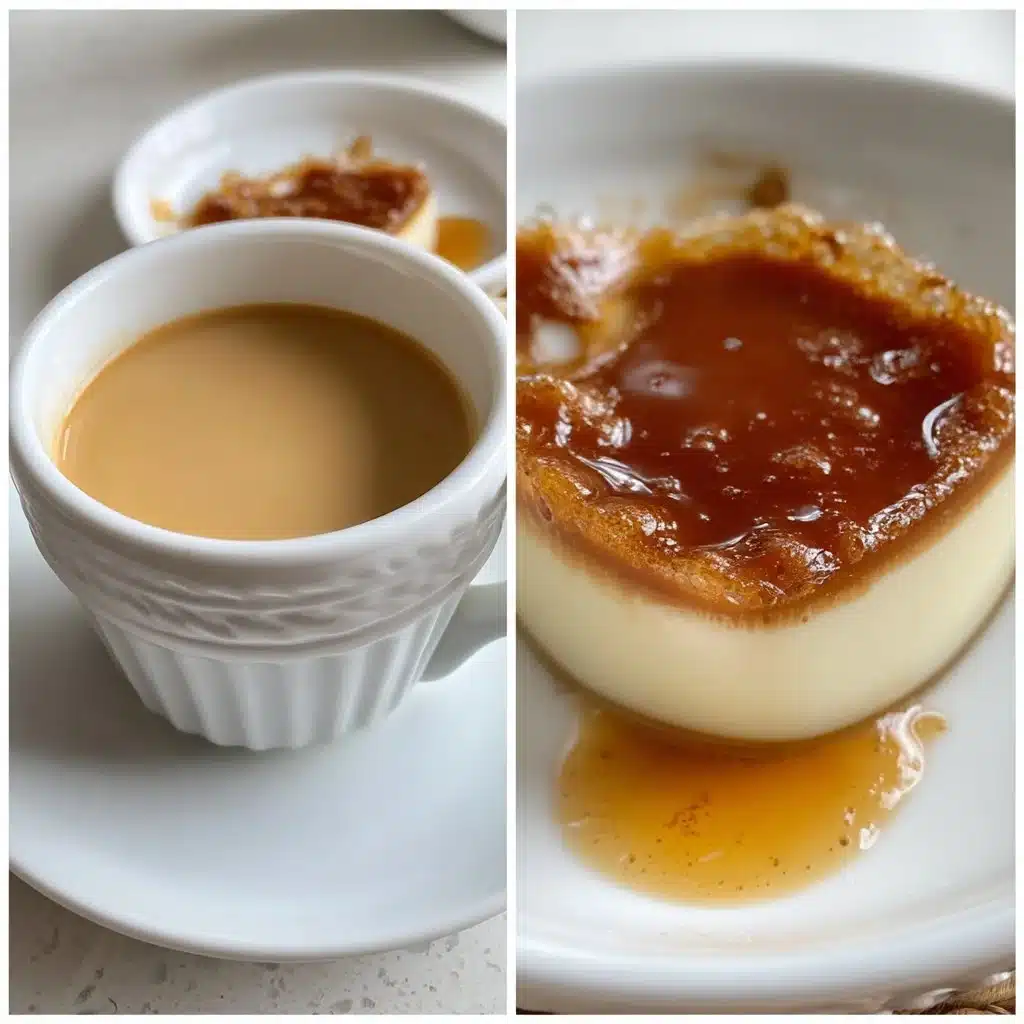
The first spoon of Espresso Panna Cotta Cups glides like silk on the tongue cool and creamy, with a gentle wobble and a coffee scent that fills the kitchen and wraps you in a warm, familiar hug. The espresso gives a deep, bittersweet edge that plays beautifully against the soft richness of cream; the surface shivers just so under the spoon, releasing that roasted aroma you remember from slow mornings. There’s comfort in the texture: not heavy, not airy, but perfectly balanced, like a soft blanket folded beside a favorite armchair. I often imagine how this would pair with a simple slice of toast or a bowl of soup at a family supper, or a light, sweet cake to finish the evening or try it alongside a ricotta cake idea such as a ricotta cake with espresso when you want something extra homey.
These little cups are a classic for a reason: they bring together the two things we all crave after a long day something soothing and something a little lively. At a family gathering they’re easy to make ahead and they stay elegant on the table without any fuss. A single-bite can wake up your palate with coffee, while the cream smoothes and comforts, so every guest can enjoy a quiet moment of pleasure between conversations. They’re ideal when you want a dessert that feels special but doesn’t demand you be tied to the stove or oven perfect for when you’re hosting a spread of simple sides like a crisp salad or roasted vegetables, or when you want to end a meal with something that feels like a treat without stealing the show.
This version is simple and truly foolproof no tempering of eggs, no complicated techniques, just a few clear steps and gentle hands. The gelatin does the setting work, and the heavy cream gives that luxurious mouthfeel that makes the cups feel indulgent even with a modest ingredient list. If you follow the sequence and give it time in the fridge, you’ll be left with a glossy, set dessert that holds its shape and tastes like it came from a bakery counter. It’s a lovely way to bring comfort to your table without extra stress.
Why this recipe works
The charm of these Espresso Panna Cotta Cups comes down to two main things: texture and simplicity. The cream, when heated and combined with sugar, becomes a soft matrix that’s perfect for capturing the espresso flavor. Heavy cream contributes fat and body, which is what gives panna cotta its signature silkiness. Gelatin, in just the right amount, turns that silky liquid into a set dessert that still wobbles and melts on the tongue. Too little gelatin and the panna cotta won’t hold its shape; too much and it becomes rubbery. The packet size (about 2 1/4 teaspoons) is the sweet spot for a tender set when used with this volume of cream.
Sugar does more than sweeten it rounds the coffee’s bitterness and helps balance the overall flavor so the espresso doesn’t overpower the cream. Espresso or very strong brewed coffee is important because the panna cotta needs a concentrated coffee note that can shine through the richness. If your coffee is too weak, the dessert will taste flat; if it’s too strong, it can taste sharp. Vanilla extract is that warm, lingering note that ties coffee and cream together; it makes each spoonful feel finished. The blooming of gelatin in cold water is a small but critical step. It allows the gelatin granules to absorb water and swell, so when you stir them into warm cream they melt evenly and leave no unpleasant bits.
From a technique point of view, heating the cream gently just until it’s hot and the sugar has dissolved, not boiling preserves the cream’s texture and prevents a scorched taste. Adding the bloomed gelatin off the heat melts it fully without risking overcooking. Stirring until smooth is simple and forgiving, unlike tempering eggs or whisking meringue, which can be temperamental. Pouring into cups and chilling allows the structure to set without drama. In short, each ingredient plays a clear role: cream for texture, sugar for balance, coffee for flavor, gelatin for set, and vanilla for warmth. Together they make a dessert that feels both comforting and refined, and it’s easy to make enough for a family without fuss.
How to prepare Espresso Panna Cotta Cups
Start by gathering your ingredients and choosing cups or ramekins that will show off the glossy surface nothing beats a clear glass to admire that wobble. The most satisfying part of the process is the quiet moment when you pour the warm cream over the dissolved gelatin and watch it turn from a rich liquid into something almost silkier than velvet. It’s a small, domestic magic: one gentle stir and the mixture is ready to become dessert.
Work in steps and be gentle. Heat the cream with sugar slowly and stir until the sugar dissolves; let the gelatin bloom in cold water so it melts smoothly when added. Once the mixture is combined, the pour into cups feels like a ceremony a steady hand, a tilt, and then the waiting. The waiting, by the way, is half the pleasure. Pop them in the fridge and feel free to tidy the kitchen, set the table, or sit down with a cup of tea while they firm up. After four hours (or overnight for best results), the panna cotta will be chilled and silky and ready to share.
Ingredients
- 2 cups heavy cream
- 1/2 cup sugar
- 1 packet gelatin (or 2 1/4 teaspoons)
- 2 tablespoons cold water
- 1 cup espresso or strong brewed coffee
- 1 teaspoon vanilla extract
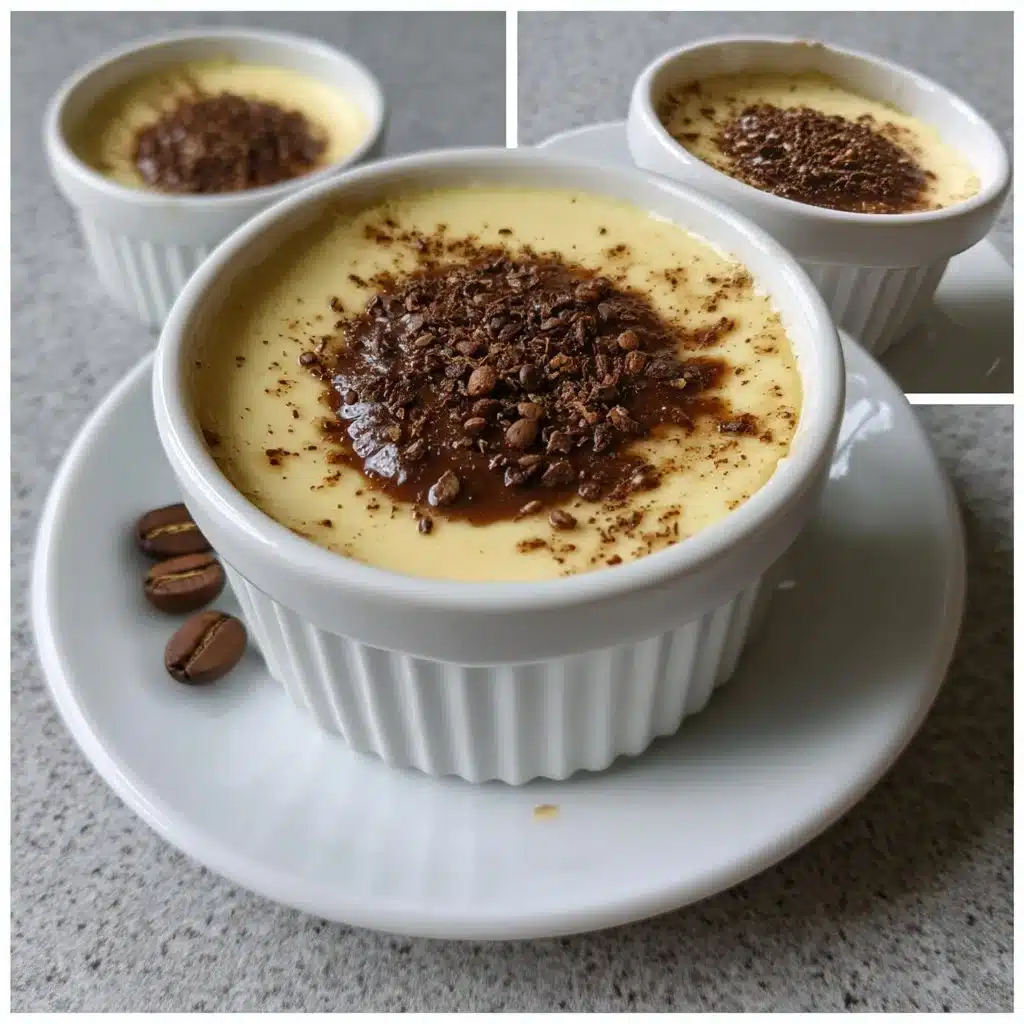
- Optional: chocolate shavings or coffee beans for garnish
Instructions
- In a saucepan, combine the heavy cream and sugar.
- Heat over medium heat and stir until the sugar has dissolved.
- In a small bowl, sprinkle the gelatin over the cold water.
- Let the gelatin bloom for about 5 minutes.
- Once the cream mixture is heated (not boiling), remove it from the heat.
- Stir in the bloomed gelatin until fully dissolved and mix until smooth.
- Add the espresso and the vanilla extract.
- Stir to combine gently.
- Pour the mixture into cups or ramekins.
- Refrigerate for at least 4 hours until set.
- Serve chilled.
- If desired, garnish with chocolate shavings or coffee beans.
Serving ideas
These panna cotta cups are elegant served on their own or with simple accompaniments that don’t compete with the coffee flavor.
- A light fruit compote, such as stewed berries, brings a bright contrast to the creamy coffee notes.
- A small bowl of shortbread or plain butter cookies adds a crisp texture alongside the soft panna cotta.
- A simple green salad with a citrus vinaigrette cleanses the palate and makes the dessert feel like the perfect ending to a seasonal meal.
For a drink pairing, offer a demitasse of espresso or a milky latte to mirror the dessert’s coffee character. For those who prefer tea, a delicate black tea like Earl Grey will complement the vanilla notes without overpowering the panna cotta. If you’re planning a more indulgent spread, consider pairing the cups with a citrus ricotta dessert like the limoncello ricotta mousse cups to create contrast between bright citrus and deep coffee flavors.
Storing this recipe
Panna cotta keeps well in the refrigerator and is forgiving for leftovers. Store the cups covered with plastic wrap or with lids to prevent them from absorbing any fridge odors. They will keep in the fridge for up to 3 days with minimal change to texture, though they are at their best within 48 hours.
Freezing panna cotta is possible but not ideal. The texture may become slightly grainy once frozen and thawed because the fat and gelatin can change structure. If you must freeze, place desserts in airtight containers and freeze for up to one month; thaw slowly in the refrigerator for several hours before serving. Reheating is not recommended for set panna cotta it is meant to be served chilled. If you’d like a warm element, serve a warm sauce alongside (such as a melted chocolate drizzle warmed gently) rather than warming the cups themselves.
Simple tips for success
Tip 1 Get the gelatin right. Blooming the gelatin in cold water is a small step that makes a big difference. Sprinkle it evenly over the water so each granule absorbs moisture and swells. If you pour hot liquid directly onto dry gelatin, you can end up with lumps or uneven melt. After it has bloomed, folding it into the warm cream off the heat ensures it dissolves completely into the liquid without overcooking.
Tip 2 Watch the cream temperature. Heat the cream slowly and remove it as soon as steam rises and the sugar has dissolved. Boiling cream changes its mouthfeel and can give a cooked flavor. A gentle warmth dissolves the sugar and melts the gelatin without stressing the dairy. Stir gently and steadily so the sugar and gelatin melt evenly and the mixture becomes smooth. If you ever see scalding or small bubbles, reduce the heat and cool briefly before adding gelatin.
Tip 3 Be patient while chilling. The set happens in the refrigerator, and rushing this part will lead to a disappointing wobble. Place the cups on a level shelf so they set flat, and give them at least four hours; overnight is even kinder and gives a firmer structure with perfect texture. If you need to speed things slightly, chill them in a shallow tray so cold air can circulate more freely, but don’t use the freezer for rapid setting unless you accept the risk of slight texture change. Also, avoid stacking lids or covers that press into the surface and spoil the glossy finish; if you must cover, place a sheet of parchment across the top first.
These three tips will help avoid common mistakes: uneven gelatin, overheated cream, and impatience with chilling. Each is simple, but together they make the difference between a so-so panna cotta and one that feels like a small, comforting celebration.
Recipe variations
Add a chocolate layer: Make a small batch of chocolate ganache and pour it into the cups after the coffee layer has set, or swirl melted dark chocolate into the warm cream for a marbled effect. This gives a deeper, richer finish for chocolate lovers.
Make it lighter: Substitute half-and-half for some of the heavy cream to reduce fat, or use whole milk for a lighter texture. The set will be slightly softer, so consider a touch more gelatin (about an extra 1/4 teaspoon) to keep structure.
Spice it up: Stir in a pinch of cinnamon or cardamom with the sugar as the cream heats, or steep a vanilla bean in the cream for extra aromatic depth. A little orange zest grated into the warm cream brings a bright citrus note that pairs wonderfully with coffee.
Frequently asked questions
Common questions
Q: Can I use powdered gelatin instead of sheets?
A: Yes. The recipe calls for one packet of powdered gelatin (about 2 1/4 teaspoons). If you have gelatin sheets, follow package conversions typically one sheet equals about one teaspoon, but check your brand.
Q: What if my panna cotta doesn’t set?
A: It usually means there wasn’t enough gelatin or it wasn’t fully dissolved. Check your counts and make sure the gelatin was bloomed in cold water before adding to warm cream. If it’s only slightly unset, extra chilling time can help.
Q: Can I make these dairy-free?
A: You can try using full-fat coconut milk in place of heavy cream, but the flavor will change and you may need to adjust the gelatin slightly for a firmer set. Taste the warm mixture and adjust sweetness to balance the coconut.
Q: How far in advance can I make them for a gathering?
A: You can make these a day ahead and keep them refrigerated, covered. They stay fresh and lovely for up to 48–72 hours, which makes them excellent for easy entertaining.
Conclusion
These Espresso Panna Cotta Cups are a small luxury you can make with calm confidence a creamy, coffee-kissed finish to a family meal that never feels fussy. For a little extra reading on the classic version of this dessert, see Espresso Panna Cotta – Things we make, and then tuck in with a spoon you’ll find how comforting a simple cup can be when it’s made with care. Espresso Panna Cotta Cups
PrintEspresso Panna Cotta Cups
- Total Time: 240
- Yield: 4 servings
- Diet: Vegetarian
Description
Cool and creamy espresso panna cotta cups with a gentle wobble, perfect for a comforting dessert.
Ingredients
- 2 cups heavy cream
- 1/2 cup sugar
- 1 packet gelatin (or 2 1/4 teaspoons)
- 2 tablespoons cold water
- 1 cup espresso or strong brewed coffee
- 1 teaspoon vanilla extract
- Optional: chocolate shavings or coffee beans for garnish
Instructions
- In a saucepan, combine the heavy cream and sugar.
- Heat over medium heat and stir until the sugar has dissolved.
- In a small bowl, sprinkle the gelatin over the cold water.
- Let the gelatin bloom for about 5 minutes.
- Once the cream mixture is heated (not boiling), remove it from the heat.
- Stir in the bloomed gelatin until fully dissolved and mix until smooth.
- Add the espresso and the vanilla extract.
- Stir to combine gently.
- Pour the mixture into cups or ramekins.
- Refrigerate for at least 4 hours until set.
- Serve chilled.
Notes
Can be garnished with chocolate shavings or coffee beans. Panna cotta keeps well in the refrigerator for up to 3 days.
- Prep Time: 15
- Cook Time: 10
- Category: Dessert
- Method: Chilling
- Cuisine: Italian