
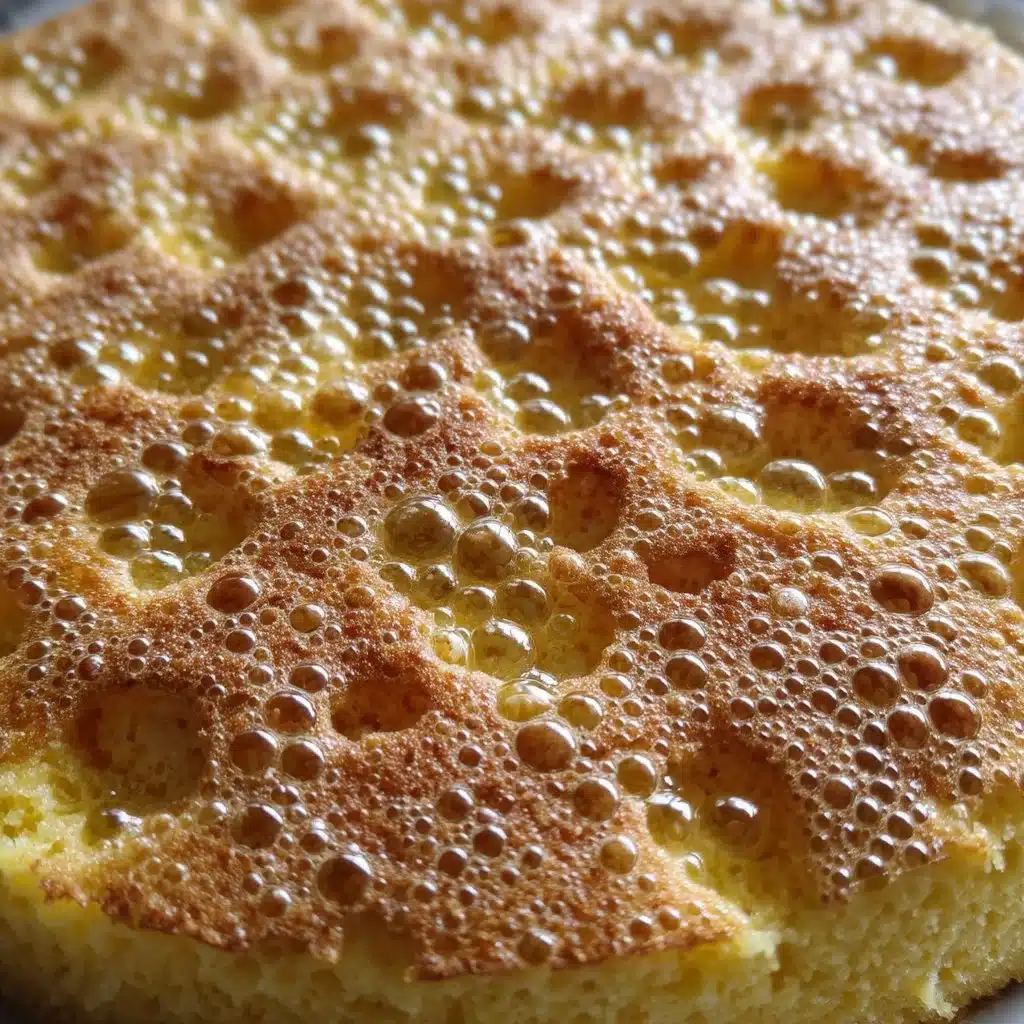
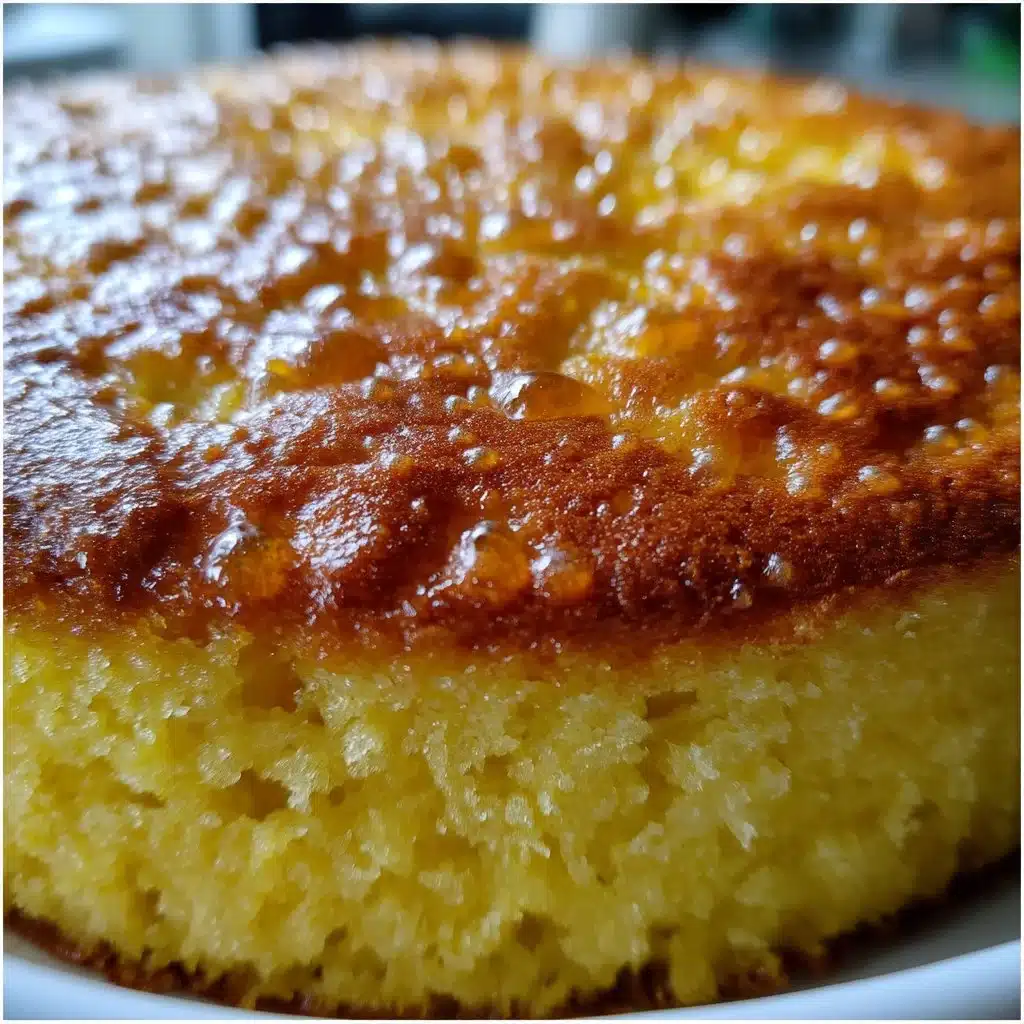
The first bite is creamy and a little surprise a soft, almost custardy crumb from tiny grains of corn, brightened by lemon sugar that kisses the top with a delicate sparkle. Creamy Polenta Cake with Lemon Sugar offers a pleasing contrast: silky richness from cream and butter, a tender lift from eggs and baking powder, and a gentle grainy texture that feels like home. You’ll notice a warm buttery aroma as it comes from the oven, and that citrus zest threads through each forkful, keeping it light enough for afternoon tea or a gentle finish to a family dinner.
This is the kind of comfort food that gathers people around the table without fuss. It pairs well with simple sides a bowl of soup, a plate of fresh fruit, or a scoop of vanilla ice cream and is forgiving when life is busy. It’s not fussy about perfect slicing; this cake is about warm, shared moments and the little traditions that grow around food. Bring it to a potluck and watch people reach for seconds. Serve it after a long holiday meal and it feels like a calm, sweet exhale. If you want to peek at more lemon cake ideas from the same kitchen, you can find them tucked away here: more lemon cake ideas.
This version is simple and foolproof, exactly what I reach for when I want something that tastes special but doesn’t keep me tethered to the stove. The steps are straightforward, the ingredients are pantry-friendly, and the rewards are big for the effort. You’ll feel proud putting it on the table, and it’s one of those treats that makes the house smell like a warm afternoon of baking.
Why this recipe works
What makes this cake so satisfying is the balance of texture and approachability. The polenta (cornmeal) gives the crumb a gentle, pleasing grit that’s not rough but offers a comforting presence with each bite. When you cook the polenta briefly with water and then enrich it with cream and butter, those grains swell and soften. The result is a batter that yields a cake with a fine, tender structure that still has character not dense, not dry, just pleasantly toothsome.
Eggs are the lift and binder. They add moisture and structure so the cake holds together when sliced, and when beaten lightly into the cooled polenta mixture they help keep the crumb airy. Baking powder gives just enough rise to lift the cake without making it cake-like in the spongey sense; instead it keeps the texture delicate. The sugar gently sweetens without masking the corn’s natural warmth, and the lemon zest brightens the whole thing, cutting through the richness and making each forkful feel lighter.
From a practical standpoint, the cooking steps are forgiving. Polenta thickens reliably when stirred over heat; it’s one of those ingredients that tells you what it needs. Mixing the eggs in after the polenta cools slightly prevents curdling and keeps the mixture silky. The assembly is mostly hands-off pour into a pan and bake so this recipe works well for cooks who want good results with calm confidence.
The ingredients marry well because of contrasting roles: fat for richness (butter and cream), eggs for lift and cohesion, polenta for texture and flavor, and lemon for brightness. Vanilla rounds out the citrus so it never feels sharp. Even the sprinkling of powdered sugar at the end adds that old-fashioned charm a flourish that makes guests feel cared for.
Also, this cake adapts nicely to small variations in technique without falling apart. If your polenta is a touch coarser, the texture becomes more rustic. If you prefer a silkier crumb, a slightly finer cornmeal smooths the mouthfeel. Those freedoms make this recipe a steady favorite for busy family kitchens.
How to prepare Creamy Polenta Cake with Lemon Sugar
Before you begin, gather everything so you’re not hunting for zesters and measuring cups while the polenta cools. The most satisfying part of the process is stirring the polenta on the stove it requires a little attention, and the moment it thickens and becomes glossy feels like a reward. Let it cool enough that the eggs won’t scramble when you add them, then fold gently until smooth. Pouring the batter into a greased pan and watching it rise, golden and fragrant, is another small joy.
Work in two stages: first cook and enrich the polenta, then handle the eggs and leavening. That split keeps the texture tender and ensures safety and consistency. Finish with a dusting of powdered sugar if you like a pretty presentation. This short walk-through keeps steps simple and calm so your kitchen stays peaceful and the cake turns out lovely.
Ingredients
- 1 cup polenta (cornmeal)
- 4 cups water
- 1/2 cup heavy cream
- 1/2 cup sugar
- 1/2 cup unsalted butter
- 4 large eggs
- 1 tablespoon lemon zest
- 1/2 teaspoon vanilla extract
- 1 teaspoon baking powder
- 1/4 teaspoon salt
- Powdered sugar for dusting (optional)
Instructions
- Preheat the oven to 350°F (175°C). Grease and flour a round cake pan.
- Bring the water to a boil in a pot.
- Add the polenta. Whisk in the polenta.
- Whisk until it thickens.
- Cook for 5 minutes, stirring constantly.
- Remove from heat. Stir in heavy cream, sugar, butter, lemon zest, and vanilla. Let cool.
- In a separate bowl, beat the eggs.
- Add the beaten eggs to the polenta mixture along with baking powder and salt. Mix until combined.
- Pour the batter into the prepared cake pan.
- Bake for 30 to 35 minutes, or until a toothpick comes out clean.
- Allow cooling in the pan for 10 minutes.
- Transfer the cake to a wire rack to cool completely.
- Dust with powdered sugar before serving, if desired.
Serving ideas
- A simple bowl of mixed fresh berries keeps things light and bright.
- A scoop of vanilla or lemon-scented ice cream makes it feel indulgent for dessert.
- A small plate of whipped ricotta or mascarpone adds creamy contrast.
For a drink, try a cup of hot Earl Grey tea or a chilled glass of sparkling water with a lemon slice. These pairings let the cake’s delicate lemon sugar and buttery polenta flavor stay in the spotlight without overwhelming it.
Storing this recipe
Store leftover cake covered at room temperature for up to two days in a cool, dry place. For longer life, wrap it tightly in plastic wrap or place it in an airtight container and refrigerate for up to five days. To freeze, slice the cake and wrap individual slices in plastic wrap, then place them in a freezer-safe bag; frozen slices will keep for up to two months.
When reheating, bring refrigerated slices to room temperature before serving or warm gently in a 300°F oven for 8 to 10 minutes until warmed through. If frozen, thaw in the refrigerator overnight and then warm in the oven. Avoid microwaving for long periods; it can make the texture a little gummy. A quick warm in the oven restores the slightly crisped surface and brings back the buttery aroma.
Helpful tips
First, pay attention to the polenta while it cooks. Stirring constantly as it thickens prevents lumps and ensures a creamy texture. If you notice small clumps, a quick whisk will smooth them out. Cook for the full five minutes to allow the grains to soften; undercooked polenta will give a gritty finish. If the mixture seems too stiff when you’re ready to add other ingredients, stir in a tablespoon of warm cream or milk to loosen it slightly before cooling.
Second, let the polenta cool before adding the eggs. This is important for both texture and safety. Hot polenta will start cooking the eggs on contact and can create ribbons of cooked egg in the batter. When it’s warm but not hot, the eggs blend smoothly and help create a tender crumb. If you’re in a hurry, transfer the pot to a cool surface and stir gently for a few minutes; this speeds the cooldown without compromising texture.
Third, measure and handle the leavening carefully. Use fresh baking powder for reliable rise. Too much agitation after adding baking powder can knock out air; mix until just combined. Also, don’t overbake. Start checking around 25 minutes if your oven runs hot. A toothpick should come out clean or with a few moist crumbs. Overbaking dries the cake and masks the delicate polenta mouthfeel.
Other small comforts: room-temperature eggs incorporate more evenly; zest lemons before juicing so you don’t waste aromatic oils; and if you want a glossier finish, brush the top lightly with a bit of simple syrup (equal parts sugar and water heated until dissolved) as soon as it’s out of the oven.
If you’d like to vary the texture, try a slightly coarser polenta for a more rustic feel, or use a finer cornmeal for an even softer crumb. Either way, keep an eye on moisture and don’t hesitate to add a tablespoon of cream or milk if the batter seems too firm. With these tips, the cake will come out moist, tender, and full of that homey warmth.
Recipe variations
- Add toasted almonds: Stir in 1/2 cup toasted sliced almonds to the batter for a nutty crunch.
- Citrus swap: Replace half the lemon zest with orange zest for a sweeter, gentler citrus note.
- Dairy-light version: Use a plant-based cream alternative and vegan butter to make a lighter, dairy-friendly cake; expect a slightly different texture but similar comfort.
Frequently asked questions
Q: Can I use instant polenta?
A: Yes. Instant polenta cooks faster and will work well here. Reduce the initial cooking time slightly and watch for the mixture to thicken.
Q: Can I make this cake gluten-free?
A: Polenta is naturally gluten-free, but always check your baking powder and other ingredients for cross-contamination if you need strict gluten-free.
Q: How do I prevent the cake from sticking to the pan?
A: Grease generously and dust with flour, or line the bottom with parchment paper. Let the cake cool for the recommended 10 minutes before inverting.
Q: Can I add fresh lemon juice to the batter?
A: A little juice can boost flavor, but too much liquid alters texture. Stick to the zest in the batter and add a teaspoon or two of juice to the finishing glaze if you like.
Conclusion
If you’re looking for a gentle, comforting cake that still feels special, this Creamy Polenta Cake with Lemon Sugar is a lovely choice to share with family and friends. For a dairy-free twist and more ideas on lemon polenta cakes, see this recipe for a vegan lemon polenta cake as inspiration: Vegan Lemon Polenta Cake (Gluten-free) – Wallflower Kitchen.
PrintCreamy Polenta Cake with Lemon Sugar
- Total Time: 50 minutes
- Yield: 8 servings
- Diet: Vegetarian
Description
A comforting cake featuring creamy polenta and zesty lemon sugar, perfect for afternoon tea or as a sweet finish to dinner.
Ingredients
- 1 cup polenta (cornmeal)
- 4 cups water
- 1/2 cup heavy cream
- 1/2 cup sugar
- 1/2 cup unsalted butter
- 4 large eggs
- 1 tablespoon lemon zest
- 1/2 teaspoon vanilla extract
- 1 teaspoon baking powder
- 1/4 teaspoon salt
- Powdered sugar for dusting (optional)
Instructions
- Preheat the oven to 350°F (175°C). Grease and flour a round cake pan.
- Bring the water to a boil in a pot.
- Add the polenta. Whisk in the polenta.
- Whisk until it thickens.
- Cook for 5 minutes, stirring constantly.
- Remove from heat. Stir in heavy cream, sugar, butter, lemon zest, and vanilla. Let cool.
- In a separate bowl, beat the eggs.
- Add the beaten eggs to the polenta mixture along with baking powder and salt. Mix until combined.
- Pour the batter into the prepared cake pan.
- Bake for 30 to 35 minutes, or until a toothpick comes out clean.
- Allow cooling in the pan for 10 minutes.
- Transfer the cake to a wire rack to cool completely.
- Dust with powdered sugar before serving, if desired.
Notes
This cake pairs well with fresh fruit or ice cream, and can be stored at room temperature for 2 days or refrigerated for up to 5 days.
- Prep Time: 15 minutes
- Cook Time: 35 minutes
- Category: Dessert
- Method: Baking
- Cuisine: Italian