
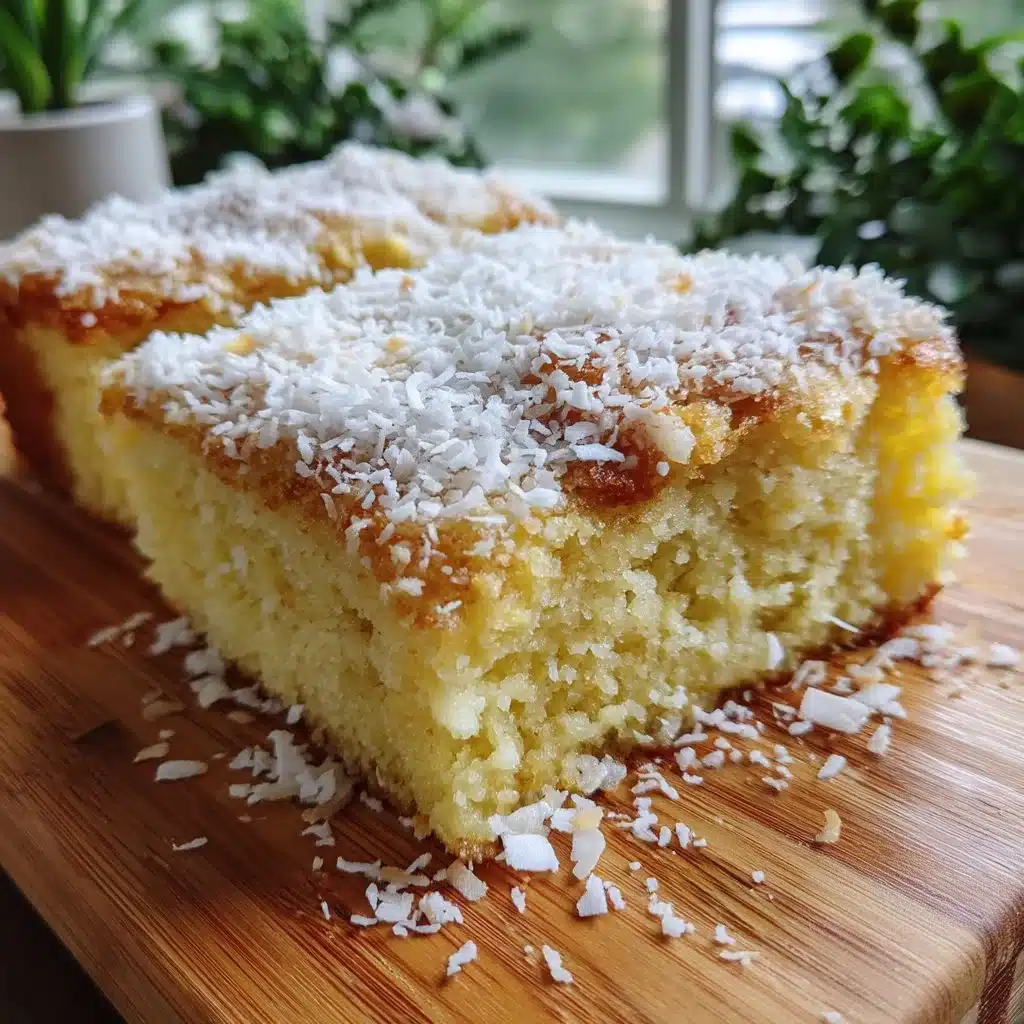
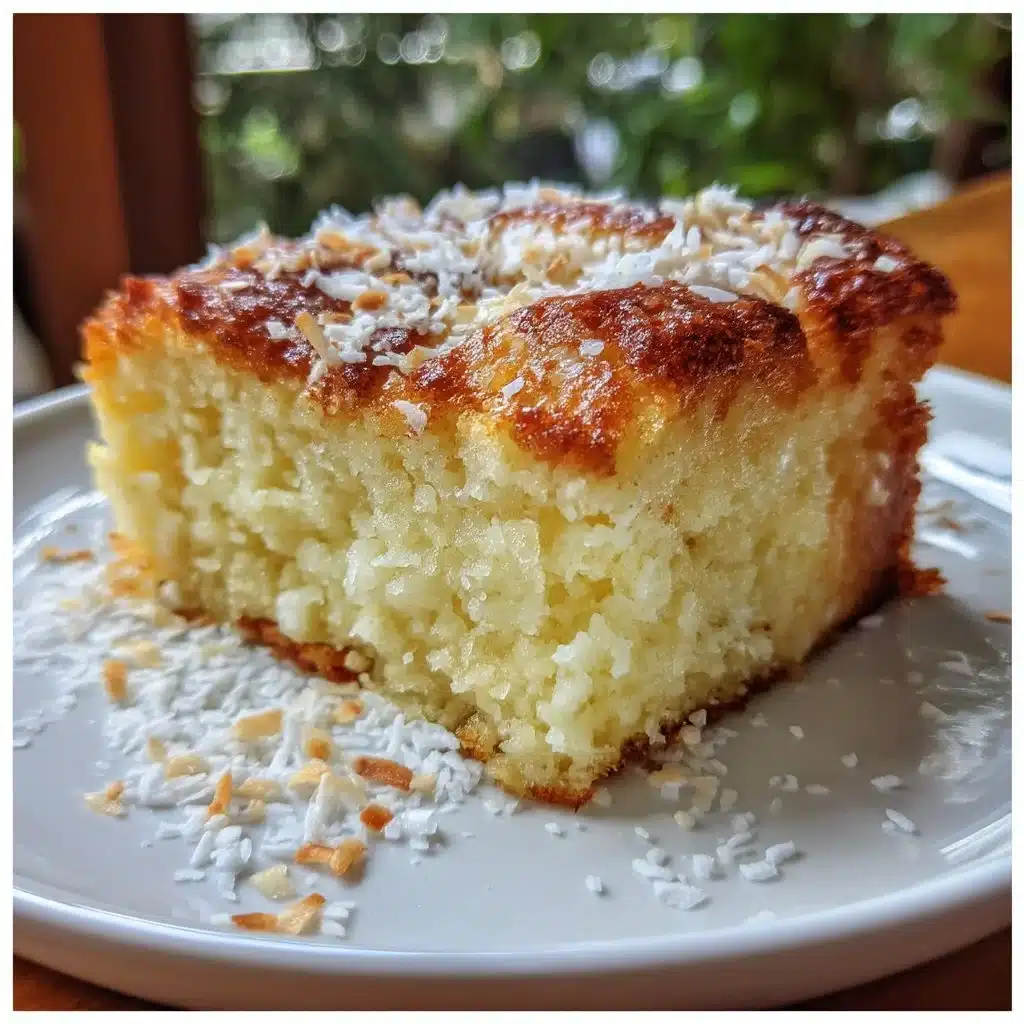
The first bite is a soft, cloud-like crumb flecked with toasted coconut, the ricotta giving a gentle tang that keeps the cake from feeling too sweet. Coconut Ricotta Snack Cake smells like late afternoons in the kitchenwarm butter, toasted coconut, and a whisper of vanillainviting you to sit down with a cup of tea and a quiet conversation. If you prefer something single-serve for gatherings, I often make a smaller coconut-and-ricotta cupcake version that guests love; you can peek at that idea here: coconut almond ricotta cupcakes.
This cake has that homey, come-what-may quality that makes it perfect for family get-togethers. It slices neatly for passing plates, holds up beside a bowl of soup, a plate of fresh fruit, or a platter of afternoon cookies, and it travels well to potlucks. The flavor is comforting without being heavy, so it pairs beautifully with lively conversation and the ritual of sharing. It’s the kind of dessert that makes your kitchen feel familiar again, like an old apron or a weathered mixing bowl you reach for without thinking.
This version is simple and, truly, foolproof. A few gentle stepscream, whisk, fold, and bakeare all it takes to bring the cake together. There are no tricky techniques or specialist equipment; a standard mixing bowl and a 9-inch round pan do all the work. Once you try this straightforward approach, you’ll find yourself keeping the ingredients on hand for spur-of-the-moment baking that feels special but doesn’t take the whole afternoon.
Why this recipe works
Texture is where this recipe shines. The ricotta adds moisture and a delicate creaminess that keeps the crumb tender without any greasy afterfeel. Ricotta’s fine curds soften as they fold into the batter, giving the cake a plush, almost custardy interior while the toasted coconut provides contrast with little bits of chew and a whisper of caramelized flavor. The butter offers enough richness to carry the vanilla and sugar without weighing the cake down, and the eggs create structure so slices hold together cleanly. Baking powder and baking soda work together: the powder gives lift for a light cake, and the soda reacts subtly with the ricotta’s acidity to produce a gentle rise and an even crumb.
Ease of cooking is another reason this recipe is a keeper. The method is forgivingcream the ricotta, sugar, and softened butter until light, add eggs slowly, then fold in the dry ingredients. There’s no need for precise whipping or temperature control that can intimidate anyone who grew up watching grandmothers and neighbors who “just knew” when a batter felt right. This cake is tolerant of small timing differences and minor variations in ingredient temperatures. Even if your ricotta is a touch more wet than mine or your coconut is toasted a shade darker, the cake still comes together with pleasant results.
Each ingredient has a clear job. Sugar sweetens and helps with browning, butter enriches and carries flavor, and eggs bind everything together. The modest amount of flour keeps the cake from becoming dense, and the combined leaveners ensure a tender lift. Toasted coconut is the finishing note: it gives texture, aroma, and a toasty complexity that elevates the simple base without masking it. That balance is why the Coconut Ricotta Snack Cake feels both homey and quietly elegantperfect for a weekday treat or a celebration with family.
Try a smaller coconut-almond ricotta cupcake version if you want to serve individual portions instead of a single round cake.
How to prepare Coconut Ricotta Snack Cake
This is a very approachable cake to make. Start by gathering your ingredients and toasting the coconut until it’s golden and fragrant; it’s the small step that brings the most noticeable aroma to the kitchen. Creaming the ricotta with sugar and softened butter until light and fluffy is the most satisfying partyou’ll see the mix turn paler and feel silkier under the spoon. When you add the eggs one at a time, you’re coaxing structure into the batter without overworking it.
When bringing the dry and wet parts together, take your time and mix until smooth. Over-mixing can make a cake tough, so stop as soon as the streaks of flour disappear. Folding in the toasted coconut at the end keeps those toasted bits intact so they give texture in every bite. Pour into a prepared 9-inch pan and bake until the top is set and a toothpick comes out clean. Let it cool so the crumb settles; this keeps the slices neat and the flavor mellow. The whole process feels steady and reliableideal for busy afternoons when you want something comforting with minimal fuss.
Ingredients
- 1 cup ricotta cheese
- 1 cup sugar
- 1/2 cup unsalted butter, softened
- 3 large eggs
- 1 teaspoon vanilla extract
- 1 1/2 cups all-purpose flour
- 1 teaspoon baking powder
- 1/2 teaspoon baking soda
- 1/4 teaspoon salt
- 1 cup shredded toasted coconut
Instructions
- Preheat the oven to 350°F (175°C).
- Grease and flour a 9-inch round cake pan.
- In a large mixing bowl, cream together the ricotta cheese, sugar, and softened butter until light and fluffy.
- Beat in the eggs one at a time.
- Stir in the vanilla extract.
- In a separate bowl, whisk together the flour, baking powder, baking soda, and salt.
- Gradually add the dry ingredients to the wet mixture until just combined.
- Gently fold in the shredded toasted coconut.
- Pour the batter into the prepared cake pan and smooth the top.
- Bake for 30–35 minutes or until a toothpick comes out clean.
- Let cool before serving.
Serving ideas
- Slices go beautifully with a bowl of simple fruit salad made from seasonal berries and citrus.
- Offer the cake alongside a mixed green salad for a light afternoon gathering where sweet and savory balance.
- Serve with a scoop of plain yogurt sweetened lightly with honey for a rustic, comforting pairing.
- For drinks, a pot of strong black tea or a bracing cup of coffee complements the cake’s richness. A chilled glass of sparkling water with a lemon twist is a lovely non-caffeinated option that brightens the toasted coconut notes.
Storing this recipe
Store leftover slices in an airtight container in the refrigerator for up to 4 days. Because ricotta is a fresh cheese, refrigeration is important to keep the cake tasting fresh and safe. If you want to keep the cake longer, you can freeze whole cakes or individual slices. Wrap them tightly in plastic wrap and place in a freezer-safe bag or container; they will keep well for up to 2 months. Thaw overnight in the refrigerator, then bring to room temperature before serving for the best texture.
To reheat, warm individual slices in a 300°F oven for 8–10 minutes, or microwave briefly in 10–15 second bursts until just warm. Avoid overheating, which can dry the cake and change the ricotta’s texture. If frozen, allow slices to thaw fully in the fridge before warming to keep the crumb tender.
Helpful tips
Mind the ricotta consistency. Ricotta can vary from dry and grainy to quite wet. If your ricotta seems very wet, drain it in a fine mesh sieve lined with cheesecloth for 30–60 minutes before measuring. This prevents excess moisture from making the batter too loose, which can lengthen baking time and affect the crumb. If your ricotta is on the drier side, the batter may feel a touch thicker; that’s finethe cake will still be tender thanks to the butter and eggs.
Don’t overwork the batter. Once you add the flour, stir gently and stop when the batter is smooth and there are no visible streaks. Over-mixing develops gluten in the flour and can make the cake heavier than intended. Folding in the toasted coconut at the end keeps the texture light and ensures those toasty pieces remain distinct so each bite has a little chew.
Toast the coconut with care. Coconut can go from golden and fragrant to burned very quickly. Toast in a dry skillet over medium-low heat, stirring constantly, until you see small flecks of gold and smell that warm, nutty aroma. Or spread it on a baking sheet and watch closely in a 325°F oven for 6–8 minutes. Cool completely before folding into the batter; warm coconut can make the butter re-soften and the batter lose structure.
Check for doneness with more than just time. Ovens vary. Look for a lightly golden top and a cake that springs back gently when touched in the center. A toothpick inserted in the middle should come out clean or with a few moist crumbs attachednot wet batter. If the edges are browning too quickly, tent the pan loosely with foil for the last 10 minutes of baking.
Flavor boosts and subtle swaps. If you like a hint of citrus, add a teaspoon of lemon zest to the batter; it lifts the whole cake. For a nuttier note, fold in a quarter cup of finely chopped toasted almonds with the coconut. Keep the measurements close to the base recipe to preserve the delicate texture.
Recipe variations
Citrus-Infused: Add 1 teaspoon of lemon or orange zest to the batter and sprinkle a light citrus glaze over the cooled cake. The bright acidity pairs wonderfully with ricotta and keeps the sweetness balanced.
Almond Crunch: Fold in 1/4 cup chopped toasted almonds along with the coconut, and sprinkle flaked almonds on top before baking for a crunchy finish. This adds a lovely contrast without overwhelming the cake’s tenderness.
Tropical Twist: Swap half the shredded toasted coconut for finely diced dried pineapple or mango for a sweet, tropical bite. Rehydrate dried fruit briefly in warm water if very dry, then pat dry before folding into the batter so it doesn’t introduce too much extra moisture.
Frequently asked questions
Q: Can I use part-skim ricotta instead of whole-milk ricotta?
A: Yes. Part-skim ricotta will work fine and produce a slightly less rich cake, but it won’t compromise structure. If your ricotta is particularly watery, drain it briefly before measuring.
Q: Can I make this cake in a loaf pan instead of a round pan?
A: You can. Bake times may increase by 5–15 minutes depending on the pan depth. Check doneness with a toothpick and watch for a golden top.
Q: How should I toast the coconut if I don’t have a skillet?
A: Spread the coconut in a thin layer on a baking sheet and toast in a 325°F oven, stirring every few minutes until golden. Keep a close eye to avoid burning.
Q: Can I add mix-ins like chocolate chips?
A: Yesuse a modest amount (1/2 cup) and fold them in gently. Dark chocolate contrasts nicely with the ricotta and coconut without making the cake too sweet.
Conclusion
This Coconut Ricotta Snack Cake is a tidy, comforting recipe that brings simple ingredients together to make something warm and inviting. It’s forgiving in the kitchen, friendly to busy schedules, and lovely for sharing with friends or family. For more ideas that pair ricotta with nutty flavors and sweet coconut, explore molly yeh’s recipes for inspiration and variations on sweet ricotta treats.