
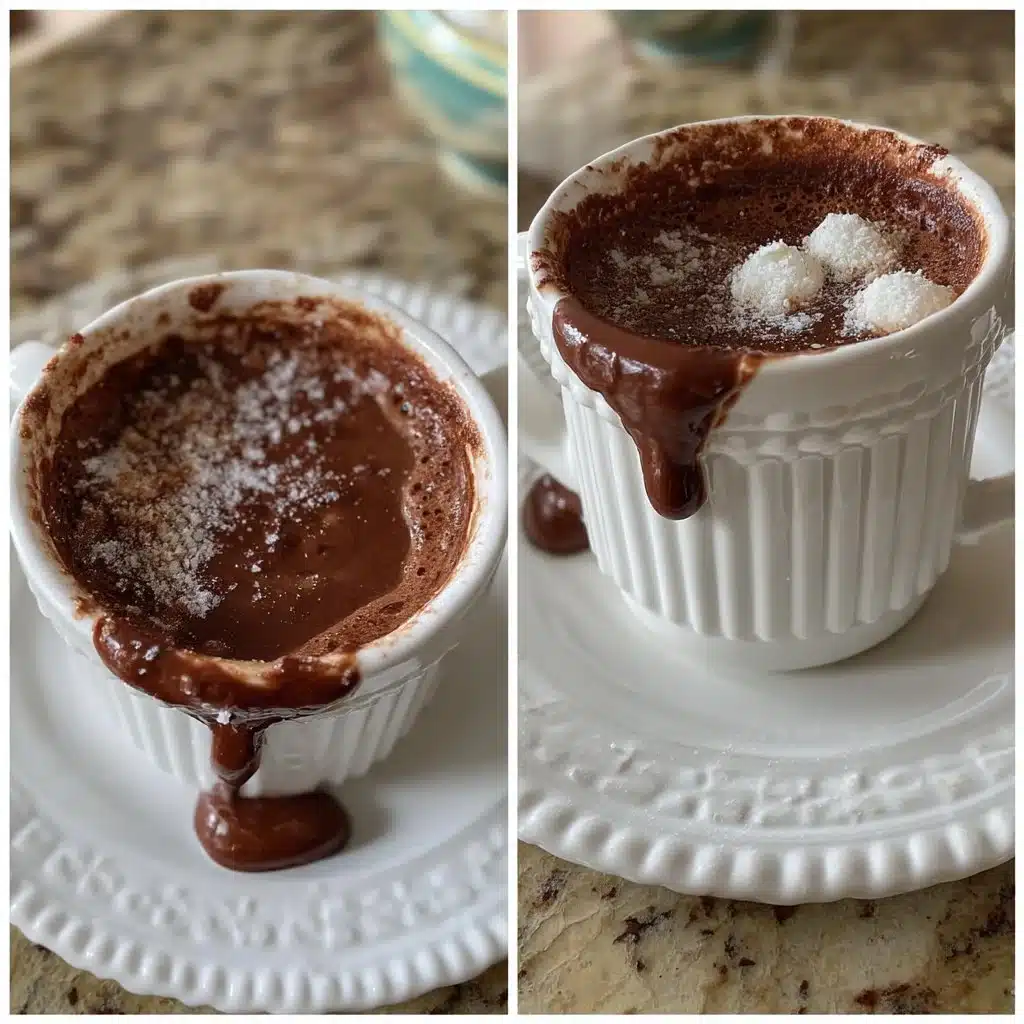
The first spoonful is velvet on the tongue — rich chocolate folding into a warm, nutty hug that lingers, with just enough sweetness to feel like a childhood secret. Chocolate Hazelnut Pudding has that roast-hazelnut scent when you open the refrigerator, and the texture sits between custard and mousse: glossy, thick, and utterly comforting. You can almost feel the cozy kitchen light and the hum of conversation around the table when you bring a dish like this out.
This is the kind of dessert that belongs at family gatherings. It’s simple enough that you can make it while you’re preparing the main course, but special enough that everyone reaches for seconds. It pairs beautifully with fresh fruit, a bowl of soup earlier in the meal, or a platter of roasted vegetables for those who prefer a lighter dinner, making it wonderfully flexible when the crowd has different tastes. If you want the deep-dish version or a no-fuss single-serve, you can find more guidance on the full pudding page, which walks through a few serving ideas.
This particular version is genuinely foolproof. It relies on simple pantry ingredients and a gentle, patient stovetop method that keeps the eggs from scrambling and the chocolate from seizing. There’s comfort in the predictability — follow a few small steps and you’ll have a reliable dessert that disappears fast. Keep the tools minimal and your hands steady, and you’ll find that making it becomes one of those small, domestic pleasures that calms the day.
Why this recipe works
Textural balance is the heart of why this recipe sings. The combination of heavy cream and milk brings both richness and approachability: heavy cream adds the lush mouthfeel that makes each spoonful feel indulgent, while milk keeps the custard light enough to set into a tender pudding rather than a stiff, dense block. The egg yolks are the binder and thickener — they coagulate at a gentle temperature to create a silky body without graininess. Cornstarch gives you insurance; it thickens quickly and helps stabilize the pudding as it cools, so you end up with a smooth, glossy finish that holds its shape in a cup.
Cocoa powder contributes clean chocolate flavor and a touch of bitterness that keeps the sweetness from becoming cloying. The chocolate hazelnut spread is the finishing note — it brings concentrated roasted-nut flavor and emulsified chocolate that melts into the warm custard, creating that signature nutty undertone. A pinch of salt sharpens flavors, and vanilla softens the edges so the pudding tastes balanced rather than one-note. When you whisk the hot cream into the beaten egg yolks, you’re tempering: this gradual introduction of heat prevents the eggs from scrambling and ensures a uniform texture.
Ease of cooking is another reason this recipe works for home cooks of every level. The steps are linear and forgiving: warming, whisking, returning to heat, thickening, and chilling. There’s no need for a water bath or oven, and you can watch the pudding transform from a thin milk mixture into a spoon-coating custard. The most skillful part is watching for the first signs of thickening — a few minutes of attentive stirring on medium-low — after which you remove it from the heat and stir in the chocolate-hazelnut spread and vanilla. That last moment, when the spread melts into the warm custard, is where texture and flavor marry into something comforting and memorable. If you’d like to explore other hazelnut dessert ideas, take a look at another hazelnut dessert idea for inspiration.
How to prepare Chocolate Hazelnut Pudding
There’s a quiet pleasure in the few minutes when the milk mixture is heating and you’re whisking the yolks. Start by bringing the dairy and cocoa together until you see tiny bubbles at the edge — that smell, a warm chocolate aroma, is always the most satisfying sign. Tempering the eggs is the reassuring part: slowly adding hot cream to the yolks while whisking keeps everything silky. The most satisfying moment, though, is when you return the tempered mixture to the saucepan and see it thicken — it’s a tactile reward, the pudding coating the back of your spoon.
Work with patience: keep the heat moderate and stir continuously so nothing sticks. Once it coats a spoon and leaves a clear line when you run your finger across the back, it’s ready to come off the heat and be finished with the chocolate hazelnut spread and vanilla. Pour into serving dishes while warm so the texture sets evenly, then chill until firm. That quiet time in the refrigerator makes the flavors settle and gives you something to look forward to later in the day.
Ingredients
- 1 cup heavy cream
- 1 cup milk
- 1/2 cup sugar
- 1/4 cup unsweetened cocoa powder
- 1/4 cup chocolate hazelnut spread
- 3 large egg yolks
- 2 tablespoons cornstarch
- 1 teaspoon vanilla extract
- Pinch of salt
Instructions
- In a saucepan, combine the heavy cream, milk, sugar, cocoa powder, and salt.
- Heat over medium heat until just simmering.
- In a bowl, whisk together the egg yolks and cornstarch until smooth.
- Gradually add the hot cream mixture to the egg yolks, whisking constantly to temper the eggs.
- Return the mixture to the saucepan.
- Cook, stirring continuously, until thickened.
- Remove from heat and stir in the chocolate hazelnut spread and vanilla extract until smooth.
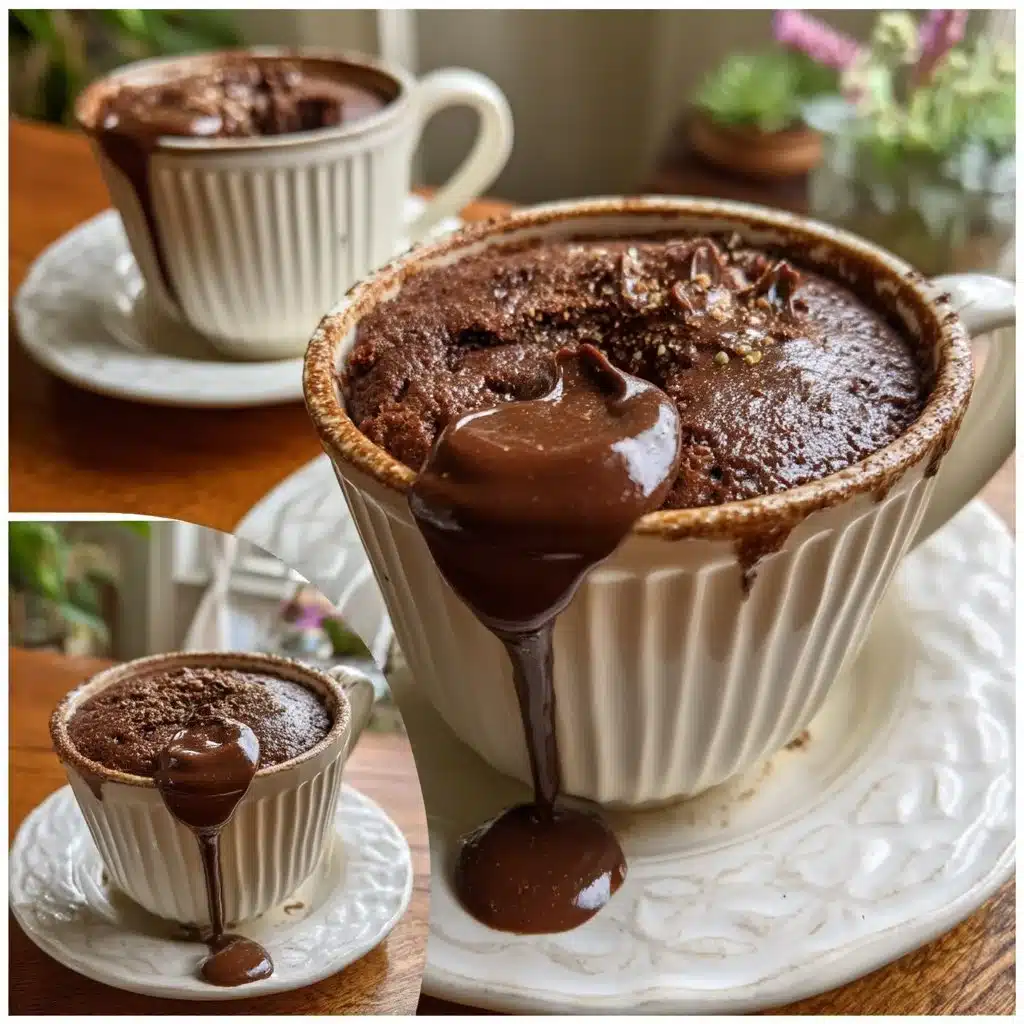
- Pour the budino into serving cups.
- Refrigerate for at least 4 hours until set.
- Serve chilled, optionally garnished with whipped cream or crushed hazelnuts.
Serving ideas
This pudding is rich, so pair it with lighter elements that offer contrast.
- Fresh berries or a simple fruit salad to cut the richness with brightness.
- A crisp green salad or a bowl of lightly dressed greens if you need a savory counterpoint.
- A small scoop of sorbet or a plain biscuit for textural contrast.
Drink pairing: a strong, black coffee or an espresso complements the chocolate and hazelnut notes beautifully. For a non-caffeinated option, a glass of almond milk or a toasted herbal tea brings warmth without overwhelming the dessert.
How to keep leftovers
Store the pudding in the refrigerator covered with plastic wrap or in an airtight container. Properly stored, it will stay fresh for 3 to 4 days; after that the texture may change and the flavors can dull. Freezing is possible in rigid, freezer-safe containers for up to one month, but thaw slowly in the refrigerator to avoid separating. Note that freezing can slightly alter the texture — it may be a touch grainier after thawing, so I recommend enjoying frozen portions mainly for convenience rather than quality.
If you want a warm version, bring a single serving to room temperature, then warm gently in a saucepan over very low heat, stirring constantly until just warmed. Do not boil. Alternatively, microwave short bursts of 10–15 seconds, stirring between bursts, so the pudding warms evenly. Because eggs are involved, avoid reheating more than once; chill promptly after reheating any unused portion.
Helpful tips
Tip 1 — Watch the heat and stir constantly. The most common mistake is letting the mixture sit too cold or too hot. If the pan is too hot, the eggs can scramble; if too cool, the pudding won’t thicken properly. Use medium or medium-low heat and a steady whisk or spatula. When the cream-milk mixture begins to steam and tiny bubbles appear around the edge, that’s your cue to temper. After tempering, return to medium-low heat and stir gently but continuously until the custard coats the back of a spoon.
Tip 2 — Temper the eggs carefully and slowly. Pouring the hot cream into the yolks a little at a time while whisking keeps the yolks from turning into bits of scrambled egg. If you ever see any sign of cooked egg, quickly strain the mixture through a fine mesh sieve to remove lumps. That will save the batch from being ruined and keep your texture smooth.
Tip 3 — Finish off with the spread and vanilla off the heat. Remove the pan from the stove before adding the chocolate hazelnut spread. The residual heat is plenty to melt the spread and keep the emulsion smooth. Stirring off the heat also preserves the aroma of the vanilla. If you prefer an extra glossy top, stir in a small knob of butter at the end; it adds sheen and a silkier mouthfeel.
Extra small tips: measure the cornstarch accurately — too much and the pudding can be gummy; too little and it won’t set well. Cool the pudding under plastic wrap pressed to the surface if you want to avoid a skin forming. And if you like a bit of crunch, sprinkle lightly crushed hazelnuts or toasted nuts just before serving so they stay crisp.
Recipe variations
- Make it spicy: Add a pinch of ground cinnamon and a small pinch of cayenne pepper to the milk mixture as it heats. The warmth of the spices pairs beautifully with chocolate and creates a cozy, grown-up flavor.
- Lightened version: Use half-and-half in place of the heavy cream and milk combination, and reduce the sugar slightly. It will be lighter but still creamy. Add an extra teaspoon of cornstarch if you need a firmer set.
- Layered treat: Make a thin layer of crushed cookies or biscuit crumbs in the bottom of each serving cup before pouring in the pudding. Chill until set and top with whipped cream and a sprinkle of cocoa for a parfait-like finish.
Frequently asked questions
Q: Can I make this pudding ahead of time?
A: Yes. Make it a day or two ahead and refrigerate. The flavors meld and the texture becomes even creamier after resting. Keep covered to prevent skin from forming.
Q: Can I substitute whole eggs instead of just yolks?
A: Using whole eggs will change the texture and increase the chance of the pudding becoming firmer or slightly grainy. Egg yolks give the custard its silkiness. If you must use whole eggs, reduce the cornstarch slightly and whisk thoroughly while cooking.
Q: My pudding is grainy — what happened?
A: Graininess can come from overheating or not whisking enough as it thickens. Gentle, constant stirring and moderate heat prevent this. Straining the pudding through a fine sieve after cooking can help smooth it out.
Q: Can I make this dairy-free?
A: You can try using coconut milk and a plant-based cream substitute, but the texture and flavor will shift. Use a little extra cornstarch to help it set and choose a mild cocoa to balance the coconut notes.
Conclusion
For a plated, more elaborate take that pairs candied hazelnuts and a bright citrus note, see Chocolate Budino with Candied Hazelnuts and Grapefruit. This simple, foolproof Chocolate Hazelnut Pudding is the kind of dessert that keeps well, pleases a crowd, and brings back warm memories with every spoonful.