
The first bite is all velvet and toffee: warm, nutty brown butter folds into a custard that slips over crisp-turned-supple vanilla wafers, and the air fills with a caramel scent that makes the whole kitchen feel like Sunday afternoon. Brown Butter Vanilla Wafer Pudding Cups bring that melt-in-your-mouth custard comfort with a soft crackle from the wafer base, and the finish is a light, sweet vanilla that makes you close your eyes. If you like a spoonful of gentle richness after a family meal, these cups answer like a hug on a plate, and if you’re the kind who treasures simpler classics, this one belongs on your list. If you enjoy chilled handheld puddings, you might also like the idea behind my vanilla almond icebox pudding cups, which pair well with the same warm memories.
These puddings are the kind of dish that brings people together without fuss. At potlucks and small family gatherings they sit on the table looking unassuming, but everyone reaches for them some for the nostalgic taste, others for the contrast between warm buttered custard and the plain sweetness of the wafer. Pair them with a bowl of soup or a simple green salad and a crisp bread basket for a full homey meal, or serve several cups after a casual dinner with roasted vegetables and mashed potatoes. They’re especially good in late afternoon when the sun is slanting through the curtains and someone starts to hum a tune. Because each cup is individually portioned, they make passing around dessert easy and tidy; nobody needs to cut slices or argue over who gets the edge. The scent of browned butter also cuts through the richer flavors of holiday mains and complements lighter summer menus, making these cups a versatile dessert choice any time of year.
This version is delightfully simple really, foolproof for a cook who prefers straightforward steps and dependable results. The trick is in a calm, steady browning of butter and a gentle whisking of the custard; nothing fussy, no strange equipment. Arranging vanilla wafers in the bottoms of little cups, pouring the custard, and baking until set gives you a homemade dessert without long, complicated techniques. You’ll find the process relaxing: browning the butter becomes a moment to breathe, and waiting for the oven to set the custard becomes a small act of patience rewarded. These cups are a great make-ahead dessert: chill them, then finish with whipped cream and chocolate shavings when it’s time to serve. For another brown-butter inspired treat to keep on your recipe shelf, consider the bright flavors in the brown butter apricot almond snack cake.
Why this recipe works
The texture is the first reason this recipe succeeds: the custard sets to a silk that’s thick enough to hold a spoon but still soft and yielding. Browned butter brings a depth that plain melted butter can’t match. When butter is cooked until the milk solids turn amber, it develops toasted, nutty notes that lift the custard away from being merely sweet and make it taste more grown-up. The vanilla wafers act as a simple starch base; they soften with the custard but don’t turn to mush if you let the cups cool and chill. Instead they become a tender layer that offers just enough structure so each spoonful has a clean contrast between creamy topping and biscuit bottom.
The balance of milk and heavy cream is important: milk keeps the custard light, while the cream gives it that luxurious mouthfeel without being overly heavy. Eggs are the setting agent; whisked into the warm liquid they thicken the mix as they bake. Sugar adds sweetness and helps with texture, but not so much that it overwhelms the butter’s toasty flavor or the vanilla’s perfume. A pinch of salt brings out all those notes and makes the sweetness sing.
Ease of cooking is another reason this recipe shines. Brown butter is straightforward: watch it carefully and stir; when the color deepens and the kitchen smells like toasted nuts, you’re there. Assembling individual cups means even baking and predictable servings, and small ramekins or custard cups fit neatly on a baking tray so the whole batch bakes evenly. The method keeps surprises to a minimum: no tempering marathon, no complicated sauce reductions just whisk until smooth, pour, and bake. That simplicity makes it perfect for cooks who want reliable home-style results without spending hours in the kitchen. The ingredients play well together: brown butter’s complexity, custard’s creaminess, and vanilla wafer’s gentle sweetness produce a dessert that feels thoughtful and familiar at once. Brown Butter Vanilla Wafer Pudding Cups come out balanced and comforting because each component has a clear job, and when executed with care, they support one another beautifully.
How to prepare Brown Butter Vanilla Wafer Pudding Cups
Start by browning your butter slowly and watching for that toasty smell; it’s the most satisfying step and the flavor payoff is huge. Arrange your vanilla wafers in little cups this is a calming part, like setting tiny nests for the custard to rest in. Whisk the milk, cream, sugar, eggs, vanilla, and salt together until smooth, then fold in the warm, browned butter so the mixture is even in color and texture. Pour it gently over the wafers so each cup gets an even amount; this helps the wafers soften uniformly and keeps the final spoonful balanced.
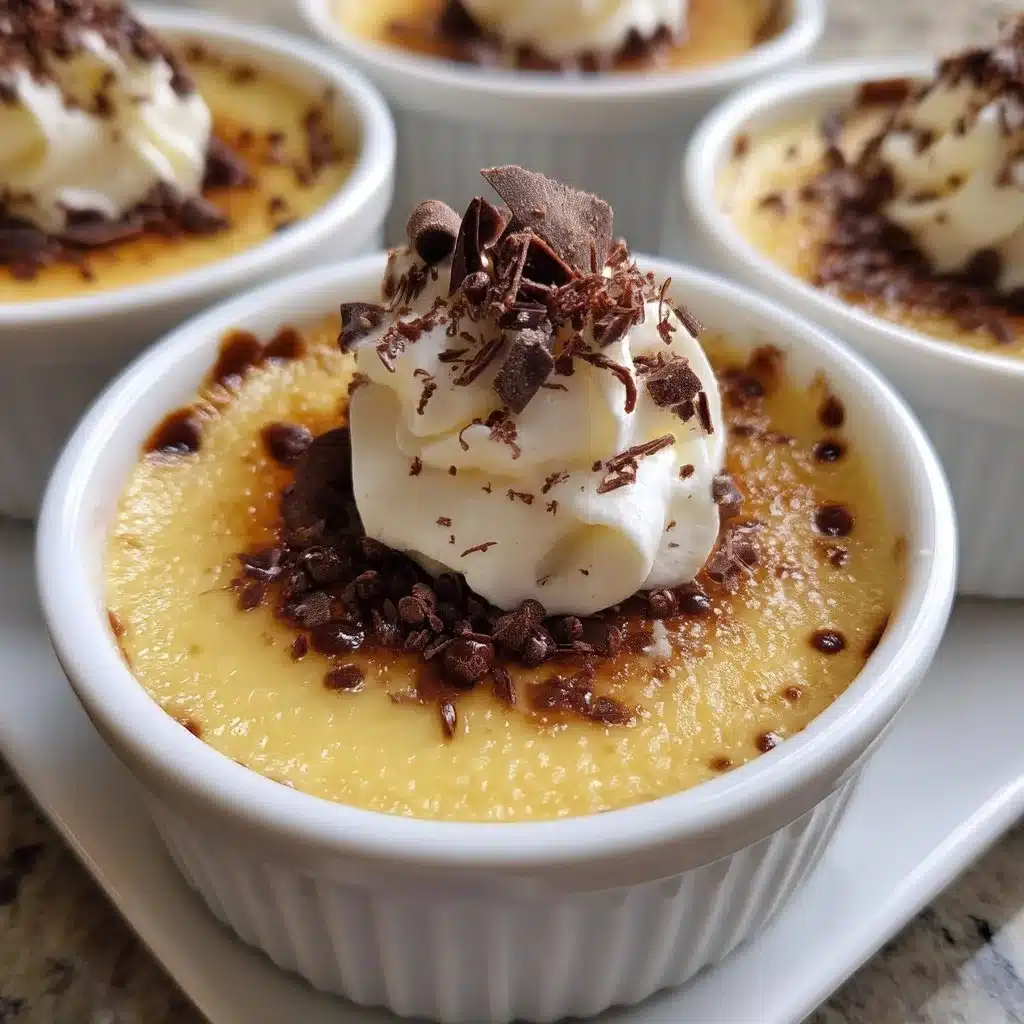
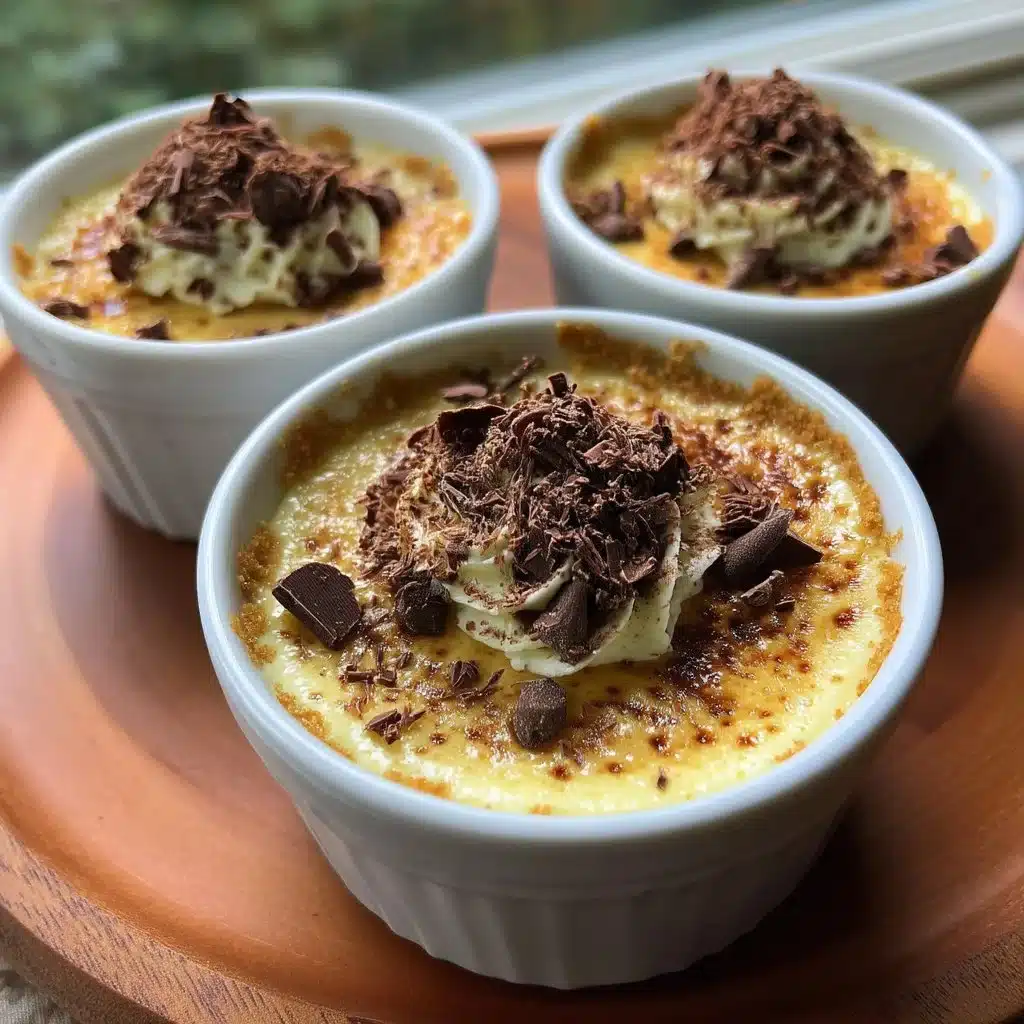
The most satisfying moment is pulling the tray out of the oven: the tops should be set but still slightly jiggly in the center. That brief wobble means the custard will finish gently as it cools, giving you a tender, silky interior. Let the cups cool, then pop them in the fridge for a few hours chilling lets the flavors settle and the texture firm up to the perfect creamy consistency. Finish with a dollop of whipped cream and a sprinkling of chocolate shavings when you’re ready to serve. The hands-on parts are short, and most of the time is peaceful waiting; that makes this recipe ideal for busy afternoons when you want to prepare dessert ahead without fuss.
Ingredients
- 1 cup unsalted butter
- 1 package (11 oz) vanilla wafers
- 2 cups milk
- 1 cup heavy cream
- 3/4 cup granulated sugar
- 3 large eggs
- 1 tablespoon vanilla extract
- 1/4 teaspoon salt
- Whipped cream (for topping)
- Chocolate shavings (for garnish)
Instructions
- Preheat the oven to 350°F (175°C).
- Place the butter in a saucepan over medium heat.
- Melt the butter.
- Continue cooking until the butter turns a golden brown color.
- Watch for a nutty aroma and brown bits forming.
- Remove the saucepan from heat and let the butter cool slightly.
- Arrange the vanilla wafers in the bottom of individual cups.
- In a mixing bowl, whisk the milk and heavy cream together.
- Add the granulated sugar to the milk mixture.
- Crack the eggs into the bowl.
- Whisk the eggs into the milk mixture until combined.
- Stir in the vanilla extract and salt.
- Pour the slightly cooled brown butter into the bowl.
- Mix until smooth.
- Pour the mixture over the wafers in each cup evenly.
- Place the cups on a baking tray.
- Bake in the preheated oven for 30 to 35 minutes.
- Check the pudding; it should be set but slightly jiggly in the center.
- Remove from oven and let cool to room temperature.
- Refrigerate the cups for a few hours to chill.
- Serve topped with whipped cream and chocolate shavings.
Serving ideas
These pudding cups are charming on their own, but they can also finish a small meal with grace. Three side dishes that pair nicely:
- A simple mixed green salad with a light vinaigrette keeps the meal fresh and doesn’t compete with the dessert’s richness.
- A warm bowl of vegetable or chicken soup is comfortable and familiar, and a single cup of pudding makes a sweet ending that feels unhurried.
- A platter of roasted seasonal vegetables offers a savory counterpoint; after a hearty main, the pudding’s soft sweetness is a welcome contrast.
For drinks, consider a lightly brewed tea chamomile or a mild black tea works well or a small cup of coffee that’s not too strong, which will highlight the brown butter notes. For a festive touch, a glass of sparkling cider complements the vanilla and toasted butter flavors without overpowering the dessert.
Storing this recipe
In the refrigerator, cover each pudding cup with plastic wrap or a tight lid and keep them for up to 4 days. Chilling helps the custard maintain its creamy texture. You can freeze the pudding cups, but note that the texture changes slightly after freezing; custards can become a touch grainy. If you choose to freeze, wrap each cup well in plastic and place in a freezer-safe container for up to one month. Thaw overnight in the refrigerator and give them a gentle stir before chilling briefly and serving.
For reheating, it’s best to avoid microwaving custard for long stretches as it can overcook and curdle. If you prefer a warm serving, set cups in a warm oven (about 300°F/150°C) for 10 minutes to take the chill off, watching carefully. Otherwise, serve them cold straight from the refrigerator with whipped cream and a sprinkle of chocolate shavings.
Helpful tips
First, when browning butter, stay with it. Butter can go from browned to burned faster than you expect. Use a light-colored pan if you have one so you can see the color of the milk solids as they toast. Stir frequently and remove the pan from heat as soon as the aroma turns nutty and the bits in the butter are amber. Pour the butter into a bowl to cool briefly before adding to the eggs so you don’t scramble them.
Second, temper the eggs gently. If your custard mixture is very warm when you add it to the eggs, the eggs may cook unevenly. Whisk a small amount of the warm milk mixture into the eggs to raise their temperature, then slowly whisk the egg mixture back into the bowl of milk and cream. This step prevents cooked flecks in your custard and keeps the texture smooth. When you whisk, aim to mix until smooth; no need for vigorous beating gentle, steady strokes do the job.
Third, mind the bake time and use visual cues. The centers of custard-based puddings should wobble slightly when gently shaken. They’ll continue to set as they cool. If you overbake, the texture becomes firm and a bit dry; underbake and the center won’t hold its shape. For even baking, place the cups on a tray and use an oven thermometer to confirm your oven runs true to temperature. Cooling is part of the process let them come to room temperature before chilling so condensation doesn’t form on top and weaken the whipped cream garnish later.
Additional small touches: use room-temperature eggs to help the custard come together smoothly. If you’d like a richer vanilla flavor, split a vanilla bean and steep it gently in the milk as it warms, then remove the pod before mixing with the eggs. Finally, don’t skip the resting time in the fridge; it’s when flavors mellow and textures settle into the comforting, spoonable pudding you want.
Recipe variations
- Make it citrus-kissed: Stir in a teaspoon of finely grated orange or lemon zest to the custard for a bright lift that pairs beautifully with the brown butter. The zest cuts the richness and adds a sunny note.
- Add toasted nuts: Sprinkle chopped toasted pecans or almonds between the wafers and custard before baking for a crunchy layer. Toasting the nuts in the same pan you browned your butter gives a lovely continuity of flavor.
- Chocolate swirl: Fold in two tablespoons of melted dark chocolate to one-half of the custard mixture and layer it for a marbled effect. It turns the dessert into a more indulgent treat without complicating the process.
Helpful Q and A
Q: Can I use salted butter instead of unsalted?
A: Yes, but reduce or omit the added salt in the recipe because salted butter varies in saltiness and can make the pudding overly salty.
Q: How do I know when the custard is fully cooked?
A: The tops should look set and the center should have a slight jiggle when you gently shake the tray. It will continue to set as it cools.
Q: Can I make these ahead for a party?
A: Absolutely. Make them a day or two ahead, keep them covered in the refrigerator, and add whipped cream and chocolate shavings just before serving.
Q: My brown butter has dark bits are they a problem?
A: Small brown bits are the toasted milk solids and add flavor. If they become black and smell burnt, discard and start over; burnt butter tastes bitter.
Conclusion
These Brown Butter Vanilla Wafer Pudding Cups are a small wonder comforting, simple, and quietly sophisticated with that browned butter warmth. They’re easy enough for a weeknight treat yet special enough for guests, and they bring a nostalgic note to any table. For another custard-style idea with caramel and spice, consider trying this lovely Caramelized Banana Pudding (With Cinnamon Whipped Cream), which shares that same comforting spirit. Brown Butter Vanilla Wafer Pudding Cups make a cozy finishing touch to a family meal, and they’re the sort of dessert that brings a little home into the moment.
PrintBrown Butter Vanilla Wafer Pudding Cups
- Total Time: 50 minutes
- Yield: 6 servings
- Diet: Vegetarian
Description
Delightfully comforting pudding cups made with brown butter and vanilla wafers, perfect for any gathering.
Ingredients
- 1 cup unsalted butter
- 1 package (11 oz) vanilla wafers
- 2 cups milk
- 1 cup heavy cream
- 3/4 cup granulated sugar
- 3 large eggs
- 1 tablespoon vanilla extract
- 1/4 teaspoon salt
- Whipped cream (for topping)
- Chocolate shavings (for garnish)
Instructions
- Preheat the oven to 350°F (175°C).
- Place the butter in a saucepan over medium heat.
- Melt the butter.
- Continue cooking until the butter turns a golden brown color.
- Watch for a nutty aroma and brown bits forming.
- Remove the saucepan from heat and let the butter cool slightly.
- Arrange the vanilla wafers in the bottom of individual cups.
- In a mixing bowl, whisk the milk and heavy cream together.
- Add the granulated sugar to the milk mixture.
- Crack the eggs into the bowl.
- Whisk the eggs into the milk mixture until combined.
- Stir in the vanilla extract and salt.
- Pour the slightly cooled brown butter into the bowl.
- Mix until smooth.
- Pour the mixture over the wafers in each cup evenly.
- Place the cups on a baking tray.
- Bake in the preheated oven for 30 to 35 minutes.
- Check the pudding; it should be set but slightly jiggly in the center.
- Remove from the oven and let cool to room temperature.
- Refrigerate the cups for a few hours to chill.
- Serve topped with whipped cream and chocolate shavings.
Notes
These pudding cups are ideal for making ahead of time. Chill and serve with whipped cream and chocolate for an elegant dessert.
- Prep Time: 15 minutes
- Cook Time: 35 minutes
- Category: Dessert
- Method: Baking
- Cuisine: American