
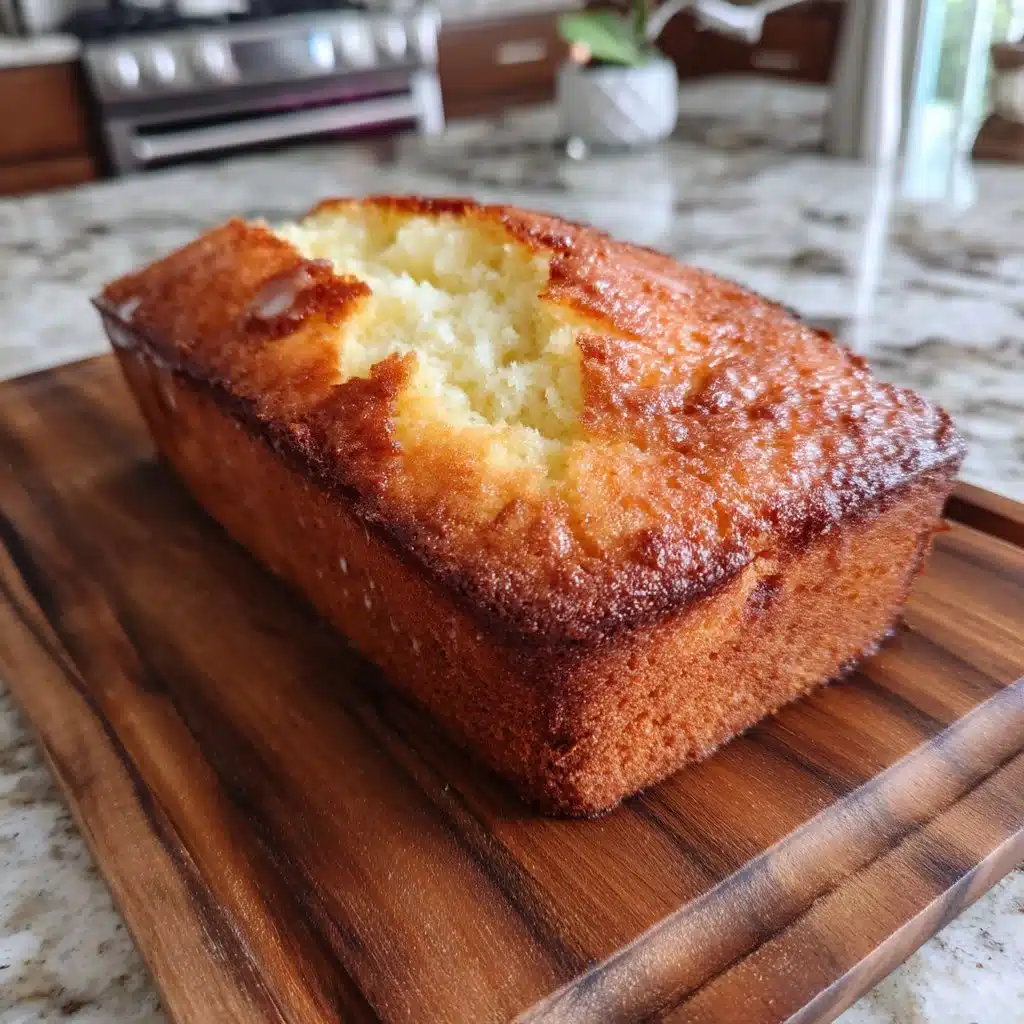
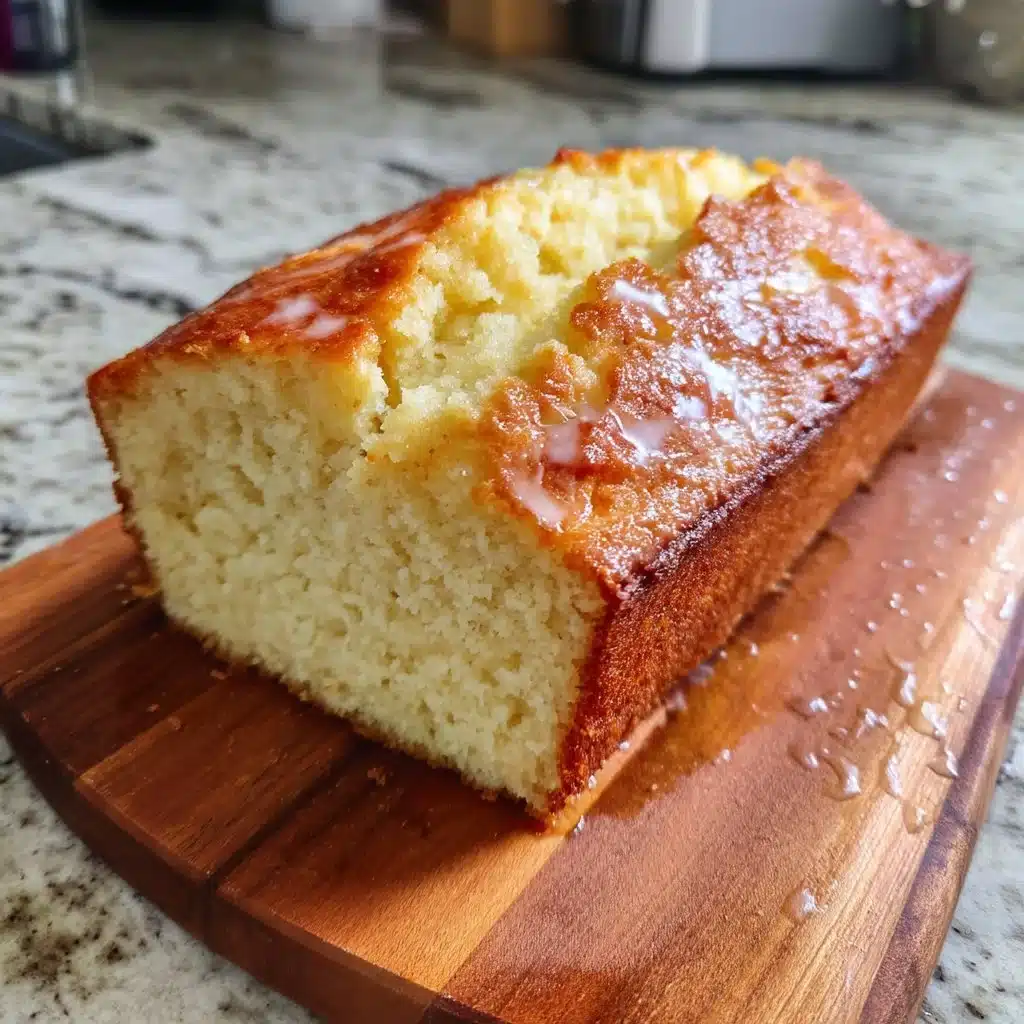
The first bite is all velvet and comfort a tender crumb that almost sighs on your tongue, with the gentle tang of ricotta and a warm wash of vanilla that makes the kitchen smell like Sunday mornings. Vanilla Ricotta Pound Cake has that golden crust that gives way to a moist, fine texture inside, lifting slightly around the edges as it cools so every slice looks like a little piece of home. The ricotta keeps it from being heavy; instead, it feels rich without weighing you down, and when a thin almond glaze is brushed on, there’s a lovely silkiness that catches the light and the eye.
This is the kind of loaf you bring out when cousins arrive for coffee or when you want a simple dessert after a pot of soup. It’s quietly celebratory nothing fussy, just the sort of cake that invites conversation and a second slice. Family gatherings love it because it pairs easily with so many things, whether you set out a bowl of fruit, a platter of simple cookies, or a tart jam for spreading. For a different pairing, serve this alongside a chocolate vanilla ricotta loaf cake so guests can choose a slice of either.
This version is simple and truly foolproof a gentle mixing method, straightforward ingredients, and a forgiving bake time that welcomes bakers of all levels. You don’t need any fancy tools, and the ricotta gives a built-in richness so you can skip complicated add-ins unless you want to play. If you like the idea of small variations, there are a few nearby ideas on the site that nudge the flavor one way or another; for another take on the same basic loaf, see another ricotta loaf variation. The rest of this guide will walk you through why the ingredients work, simple steps to make it, and tips to keep every slice tender and lovely.
What makes this recipe special
This loaf stands out because of the contrast between a fine, moist interior and a slightly caramelized crust that forms from gentle oven heat and the sugar in the batter. The ricotta is the quiet hero here: it adds moisture and a subtle tang without making the cake dense. Unlike heavy butter-only pound cakes, the ricotta lightens the crumb while keeping a satisfying body, so each forkful feels rich and comfortable rather than cloying. The butter still provides that classic pound-cake flavor, offering notes of brown-butter warmth when baked just right, and the eggs give structure and lift so the cake holds its shape slice after slice.
Texture is everything with this loaf. The balance of fat to flour and the presence of ricotta mean you get a tender, fine crumb that’s forgiving at room temperature and stays moist in the fridge. The baking powder gives a touch of lift so the cake rises evenly instead of doming in the middle which makes it perfect for slicing thin for tea or thicker for a dessert plate. The vanilla extract threads through the batter to bring out the ricotta’s milky notes and the butter’s sweet tones; it’s a small ingredient that casts a wide, comforting flavor.
Ease of cooking is another reason you’ll turn to this recipe often. The method calls for creaming butter and sugar, folding in ricotta, and adding beaten eggs and dry ingredients no complicated folding techniques or temperature juggling. The batter comes together quickly and requires only a loaf pan, a bowl, and a whisk or mixer, so clean-up is simple. Because the batter isn’t overworked, the crumb remains soft rather than becoming tight, and the cake resists drying during the bake. The suggested bake time spans a window (50–60 minutes) to accommodate oven variability; start checking toward the earlier side and trust the toothpick test for doneness. All these elements texture, reliable rise, and minimal fuss make this cake a reliable companion for both weekday tea and holiday dessert tables, especially when you want something that feels homemade and made with care.
How to prepare Vanilla Ricotta Pound Cake
Before you begin, gather your ingredients and room-temperature butter and eggs; having everything at similar temperatures makes mixing easier. Grease your loaf pan well so the cake releases cleanly and the crust forms evenly. The most satisfying part of this recipe is watching the batter thicken when you cream the butter and sugar and then seeing how the ricotta blends into a glossy, slightly denser mixture. That step feels like magic: the batter goes from pale and fluffy to lush and creamy, ready to accept the eggs one by one.
Work steadily but gently. Beat the eggs in individually so the mixture stays even, then add the vanilla for that warm, familiar scent. When you bring in the dry ingredients, fold them in slowly and stop as soon as the flour disappears mix until smooth and don’t overwork it. Pour the batter into the prepared pan and smooth the top with a spatula; you’ll feel satisfied seeing it settle, ready for the oven. When it’s baked, let it cool in the pan briefly before turning it out the wait makes slicing neater and the texture more set. Drizzling a simple almond glaze at the end adds a pretty finish and a whisper of nutty sweetness that complements the ricotta rather than overpowering it.
Ingredients
- 1 cup ricotta cheese
- 1 cup unsalted butter, softened
- 1 cup granulated sugar
- 4 large eggs
- 2 teaspoons vanilla extract
- 2 cups all-purpose flour
- 1 teaspoon baking powder
- 1/2 teaspoon salt
- 1/2 cup almond glaze (optional)
Instructions
- Preheat your oven to 350°F (175°C).
- Grease a loaf pan.
- In a large bowl, cream together the butter and sugar until light and fluffy.
- Add the ricotta cheese.
- Mix the ricotta into the butter and sugar until well combined.
- Beat in the eggs one at a time.
- Add the vanilla extract.
- In another bowl, whisk together the flour, baking powder, and salt.
- Gradually add the dry ingredients to the wet mixture.
- Mix until smooth and just combined.
- Pour the batter into the prepared loaf pan.
- Smooth the top.
- Bake for 50–60 minutes.
- Insert a toothpick into the center to check; it should come out clean.
- Allow to cool in the pan for about 10 minutes.
- Transfer to a wire rack to cool completely.
- Drizzle with almond glaze if desired before serving.
Serving ideas
This cake is wonderfully flexible when it comes to serving. Try these simple pairings to make it feel like a special pause in the day:
- A bowl of mixed berries, lightly sweetened or macerated, to spoon over a warm slice.
- A small dish of lemon curd or apricot jam for spreading.
- A few thin slices of soft cheese, like mascarpone or a mild ricotta, to echo the cake’s flavors.
For drinks, a pot of strong black tea or a cup of medium-roast coffee is a classic match that balances the cake’s richness. If you prefer something chilled, a glass of cold milk or a light sparkling water with a squeeze of lemon makes for a refreshing contrast to the cake’s softness.
Storing this recipe
Store your loaf wrapped well to keep moisture in. In the fridge, wrapped in plastic wrap or in an airtight container, the cake will stay fresh for up to five days. If you’d like to keep it longer, slice and freeze individual portions by wrapping them in plastic and then placing them in a freezer-safe bag; they’ll keep well for up to three months. Thaw slices overnight in the refrigerator or for a few hours at room temperature.
For reheating, a gentle approach preserves texture: warm a slice in a 300°F oven for about 10 minutes, or microwave briefly in 10–15 second bursts until just warmed through. If frozen, let slices thaw fully before reheating to avoid sogginess. If you like the crust crisped a bit, a quick toast in a toaster oven will bring back a light crunch while keeping the interior tender.
Helpful tips
Start with room-temperature ingredients this helps the butter whip properly and the eggs to incorporate smoothly, giving you a consistent batter. If your butter is too cold, it won’t cream with the sugar, and you’ll lose the lightness that sets up the cake’s structure. If it’s too soft, the batter may become too loose; aim for butter that yields slightly when pressed but still holds shape. When mixing, don’t rush the creaming step; allowing the butter and sugar to become pale and fluffy traps air that gives lift during baking.
Measure flour correctly. Spoon flour into your measuring cup and level it off rather than scooping directly from the bag; scooping can compress the flour and lead to too-dry a batter and a denser cake. If you find the batter seems too stiff, a tablespoon of milk or cream can loosen it slightly without compromising the crumb add only if necessary.
Watch your oven toward the end of the bake window. Ovens vary, so start checking at 50 minutes, using a toothpick in the center; a few moist crumbs are fine, but wet batter means it needs more time. If the top is browning too quickly while the center still needs time, tent with foil to prevent over-browning. Another tip is to let the cake cool in the pan for about 10 minutes before turning it out; this helps it set and reduces the risk of breakage. For a prettier finish, wait until completely cool before glazing so the glaze sits on the surface and doesn’t run away.
If you’re adapting this for high altitude or a different flour type, reduce baking powder slightly and watch the bake time closely the cake may need less time to set. Finally, don’t be afraid to make it your own: fold in a handful of toasted almonds or a tablespoon of lemon zest for a gentle flavor nudge. These small changes keep the recipe familiar but fresh.
Recipe variations
- Citrus bright: Stir in 1 tablespoon of lemon or orange zest with the vanilla for a bright lift. You can also swap the almond glaze for a simple lemon glaze to complement the zest.
- Nut-studded: Fold in 1/2 cup toasted chopped almonds or walnuts into the batter for a bit of crunch and a toasty note that pairs beautifully with ricotta.
- Spiced: Add 1/2 teaspoon ground cinnamon and a pinch of nutmeg to the dry ingredients for a warm, cozy version that’s lovely in cooler months.
Common questions
Q: How can I tell when the cake is done?
A: Insert a toothpick into the center; it should come out clean or with a few dry crumbs. The top should be golden brown and spring back lightly when touched.
Q: Can I use part-skim ricotta instead of whole-milk ricotta?
A: Yes, part-skim works fine and will make the cake slightly less rich but still tender. Drain any watery ricotta on paper towels for a few minutes before measuring.
Q: Can I make this cake in a bundt or tube pan instead of a loaf pan?
A: Yes, though baking time will change. Start checking at about 40 minutes and follow the same toothpick method for doneness.
Q: Is there a way to keep the cake from drying out?
A: Store it wrapped in plastic or in an airtight container and avoid over-baking. If it becomes dry, a light brush of simple syrup or a warm slice with a dollop of whipped cream or fruit compote will bring it back to life.
Conclusion
For a warm, dependable dessert that feels like a hug from the oven, this loaf is a keeper especially when you want something simple, tender, and quietly special. If you’d like a variant with a rich finish, I recommend checking out Vanilla Ricotta Pound Cake with Maple Glaze for a maple-kissed take that’s lovely on cool afternoons. Whether you slice it thin for tea or serve a generous wedge after dinner, Vanilla Ricotta Pound Cake is the kind of recipe you’ll come back to again and again.
Print
Vanilla Ricotta Pound Cake
- Total Time: 80 minutes
- Yield: 10 servings
- Diet: Vegetarian
Description
A tender and moist pound cake infused with ricotta and vanilla, perfect for any gathering or cozy dessert.
Ingredients
- 1 cup ricotta cheese
- 1 cup unsalted butter, softened
- 1 cup granulated sugar
- 4 large eggs
- 2 teaspoons vanilla extract
- 2 cups all-purpose flour
- 1 teaspoon baking powder
- 1/2 teaspoon salt
- 1/2 cup almond glaze (optional)
Instructions
- Preheat your oven to 350°F (175°C).
- Grease a loaf pan.
- Cream together the butter and sugar until light and fluffy.
- Add the ricotta cheese.
- Mix the ricotta into the butter and sugar until well combined.
- Beat in the eggs one at a time.
- Add the vanilla extract.
- Whisk together the flour, baking powder, and salt in another bowl.
- Gradually add the dry ingredients to the wet mixture.
- Mix until smooth and just combined.
- Pour the batter into the prepared loaf pan.
- Smooth the top.
- Bake for 50–60 minutes.
- Insert a toothpick into the center to check; it should come out clean.
- Allow to cool in the pan for about 10 minutes.
- Transfer to a wire rack to cool completely.
- Drizzle with almond glaze if desired before serving.
Notes
Store the cake wrapped to keep moisture in; it will stay fresh for up to five days in the fridge or three months in the freezer.
- Prep Time: 20 minutes
- Cook Time: 60 minutes
- Category: Dessert
- Method: Baking
- Cuisine: Italian