
Silky, warm caramel that slips across your tongue, a hint of salt that wakes every memory of cozy kitchens and the soft, billowy lift of whipped cream this is the kind of dessert that wraps your hands and heart at once. Salted Caramel Budino with Whipped Cream tastes like a well-loved dessert spooned from a family jar: rich but never heavy, with a creamy texture that holds its shape and then melts into velvet on the tongue.
It’s the sort of comfort food that belongs at the center of family gatherings, whether you’re closing out a busy holiday meal or offering a little sweet surprise after a simple weeknight supper. A single small cup feels like an invitation to slow down and chat; it pairs as easily with a bowl of soup or a baked fruit side as it does with the laughter around the table. If you want another gentle caramel pudding with the same old-fashioned charm, take a look at a similar caramel pudding that keeps things classic and uncomplicated.
This version is truly simple and foolproof. You don’t need special tools just a good saucepan, a whisk, and a few ramekins. The steps are patient, not hurried, and the most satisfying part is watching sugar go from clear crystals to a shiny, amber caramel; that slow transformation smells like celebration and makes you feel skilled and generous all at once. With a little care and steady hands, you’ll have an elegant dessert that looks refined but comes together like a friendly kitchen secret.
Why this recipe works
There’s a comforting logic to this budino: the mix of cream and egg yolks gives structure without stiffness, while the caramel brings deep, toasty notes that balance the dairy. Texture is the heart of this dessert the custard must be set enough to hold a spoonful, but tender enough to yield with the slightest pressure. Heavy cream supplies the richness and body; milk keeps it from feeling overly dense. Egg yolks thicken and give that gentle custard body, their natural lecithin helping the mixture bind into a smooth, glossy finish. A small pinch of salt does more than season; it brightens the caramel’s sweetness so each bite feels rounded and complex rather than cloying.
Ease of cooking is another big reason this works for busy cooks. The technique is straightforward: you make a caramel, warm the dairy, temper the yolks, combine, and chill. There’s no need for temperamental flour, complicated whipping, or long bakes. If you keep your heat moderate when making the caramel and temper the yolks slowly, your success rate will be high. The recipe also forgives slight timing differences; even if your caramel goes a touch darker it will still taste delicious, and if your custard is slightly softer than planned, extra chill time in the fridge will finish the job.
The ingredients play nicely together because each has a clear role. Sugar gives flavor and structure to the caramel; water helps the sugar cook evenly. Heavy cream and milk provide fat and a silky mouthfeel; they also cool the caramel when mixed, which tames the heat so the eggs can be incorporated safely. Egg yolks thicken gently without forming curds when tempered correctly, and vanilla pulls the whole flavor profile into a warm, familiar place. Because the steps are few and the timing forgiving, this is ideal for cooks who want a dessert that feels special without being fussy. Salted Caramel Budino with Whipped Cream works because it trusts good ingredients and simple technique to deliver something that feels lovingly made.
Steps to make Salted Caramel Budino with Whipped Cream
Start with a calm kitchen and level work surfaces. Gather your ingredients and ramekins, and set a bowl of cold water nearby in case you need to cool a spoon or test the caramel. The most satisfying moment in this recipe is watching the sugar change color and scent there’s a small, steady miracle in that transformation, and it feels wonderful to have created something so deep and aromatic from just sugar and heat. You’ll also enjoy the silky pour when you blend the cream into the egg yolks; it looks and feels luxurious in the mixing bowl. Move slowly and keep the heat controlled; the rewards are a smooth, creamy custard that slices cleanly and tastes like a warm kitchen memory.
Before the recipe card, remember: when you combine hot and cold elements, go slowly. When you whisk, mix until smooth. Chill the cups fully; patience at the end is just as important as care at the stove.
Ingredients
- 1 cup sugar
- 1/4 cup water
- 2 cups heavy cream
- 1/2 cup milk
- 1/4 teaspoon salt
- 4 large egg yolks
- 1 teaspoon vanilla extract
- Whipped cream for topping
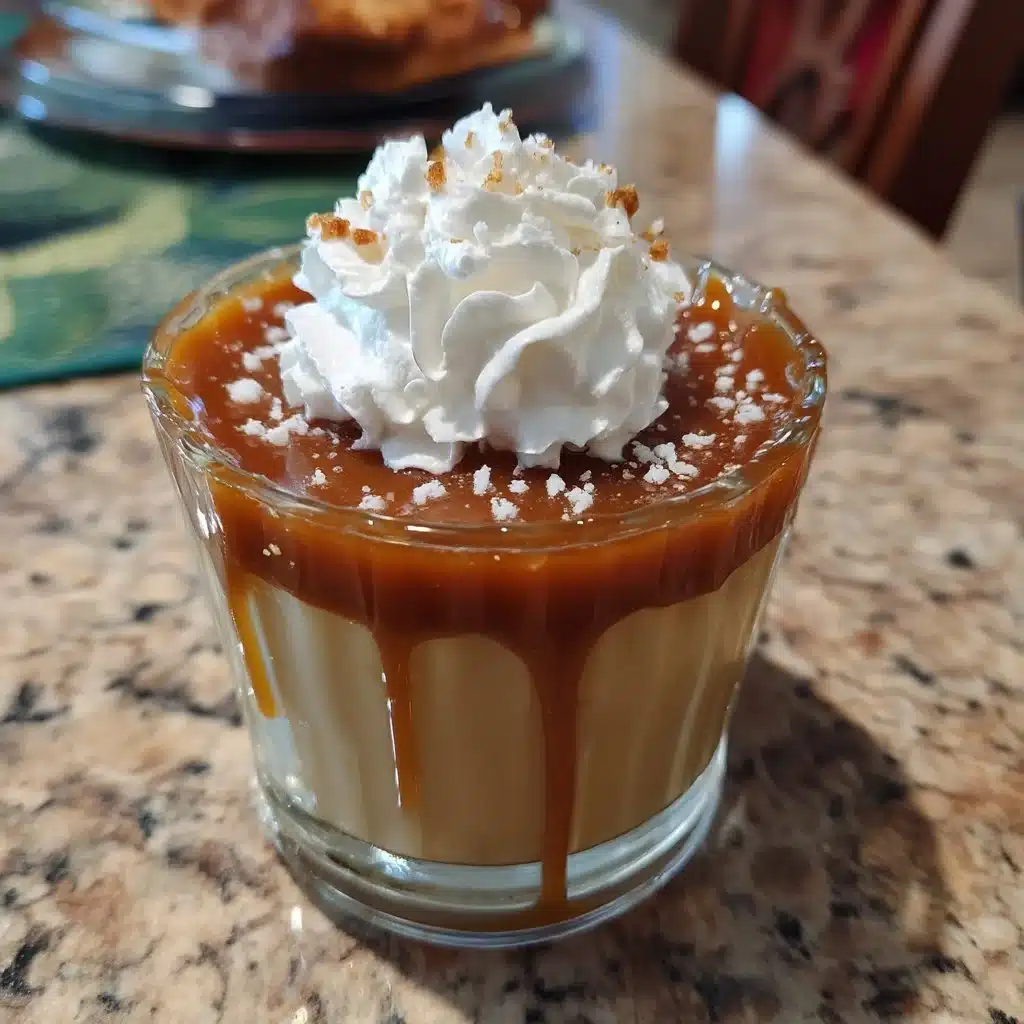
Instructions
- In a saucepan, combine the sugar and water.
- Heat the sugar mixture over medium heat without stirring until it turns golden brown.
- In a separate pot, heat the heavy cream and milk until steaming but not boiling.
- In another bowl, whisk the egg yolks with the salt until smooth.
- Slowly pour a little of the hot cream into the yolk mixture, whisking constantly to temper the yolks.
- Continue to add the hot cream in a steady stream, mixing until smooth.
- Stir the caramel into the cream and yolk mixture until evenly combined.
- Pour the mixture into cups or ramekins.
- Refrigerate the cups until the custard is fully set.
- Serve chilled topped with whipped cream.
Serving ideas
- A small bowl of stewed apples or poached pears makes a gentle fruit companion that echoes the caramel notes.
- A simple biscotti or plain tea cake offers a little crunch alongside the smooth custard.
- A plate of lightly spiced roasted nuts gives a toasty contrast and a bit of chew.
For a drink pairing, try a warm black tea or a lightly roasted coffee; both cut the richness and feel like an old friend with dessert. If you want something a touch more indulgent, a glass of tawny port or a sweet late-harvest wine matches the caramel’s depth without overpowering the cream. For a savory contrast on the table, set a bowl of roasted vegetables or a simple green salad to keep the meal balanced. If you enjoy textures that play well together, consider serving alongside a warm, creamy grain dish try a small portion of a creamy ricotta polenta for a dinner that feels both hearty and refined.
Storing this recipe
In the refrigerator, cover the budino cups tightly and store for up to 3 days. The texture will remain creamy and smooth during that time; beyond three days the custard may begin to lose its peak creaminess and the whipped cream topping should be added fresh when serving. You can freeze the unfilled custard for up to one month if necessary freeze in an airtight container, leaving a little headroom. Thaw overnight in the refrigerator, then give the budino a gentle stir if needed and top with freshly whipped cream before serving.
Reheating is not required; these are best served chilled. If you prefer a slightly warmer custard, bring to room temperature for 15–20 minutes rather than microwaving, which can cause the texture to separate. If you must reheat, do so gently in a warm water bath and stir slowly until the desired temperature is reached, but expect a small change in texture compared with freshly chilled cups.
Helpful tips
Tip 1: Watch the caramel closely. Sugar can go from perfect amber to burnt in seconds, and that will change the flavor drastically. Start with medium heat and clean the sides of the pan with a wet pastry brush if you see sugar crystals clinging to the pot. When the caramel reaches a deep golden color and that warm, toasty scent fills the kitchen, remove it from the heat. If you have a candy thermometer, aim for the soft crack stage around 300–310°F for the flavor depth you want but judging by color and smell works just fine with attention.
Tip 2: Temper the eggs carefully to avoid scrambling. When you whisk a little hot cream into the yolks, go slowly at first and keep whisking. This lets the temperature of the yolks rise gently. Once the yolks are warmed, you can add the rest of the cream in a steady stream. If you accidentally overheat and the mixture looks grainy, you can sometimes rescue it by straining through a fine sieve and then whisking in a touch of cold cream to smooth it out.
Tip 3: Chill fully for the best texture. The custard continues to set as it cools; give it at least 4 hours in the refrigerator, preferably overnight. If you need to speed things up, place the ramekins in a shallow ice bath for a few minutes and then move them to the fridge. When it comes time to serve, add the whipped cream just before presenting so the topping feels fresh and light against the dense caramel base. And remember, small ramekins make this dessert feel special serving size matters for that comforting, intimate feeling.
Beyond these three, a few gentle practices make every run turn out well: use good-quality vanilla, measure ingredients carefully, and be patient with heat. Little kitchens rituals like setting out your ramekins and lining up tools before you start turn a simple recipe into a calm, enjoyable routine that you’ll come back to again and again.
Recipe variations
- Make it Spicy: Add a pinch of ground cinnamon and a dash of cayenne to the caramel for a warm, unexpected heat that plays beautifully against the cream.
- Chocolate Twist: Stir a tablespoon of unsweetened cocoa into the warm cream before tempering the eggs to make a chocolate-caramel version. This deepens the flavor and pairs well with a dark chocolate shaving garnish.
- Citrus Touch: Stir in a teaspoon of orange zest into the cream as it warms for a bright note that cuts through the richness and refreshes the palate.
Common questions
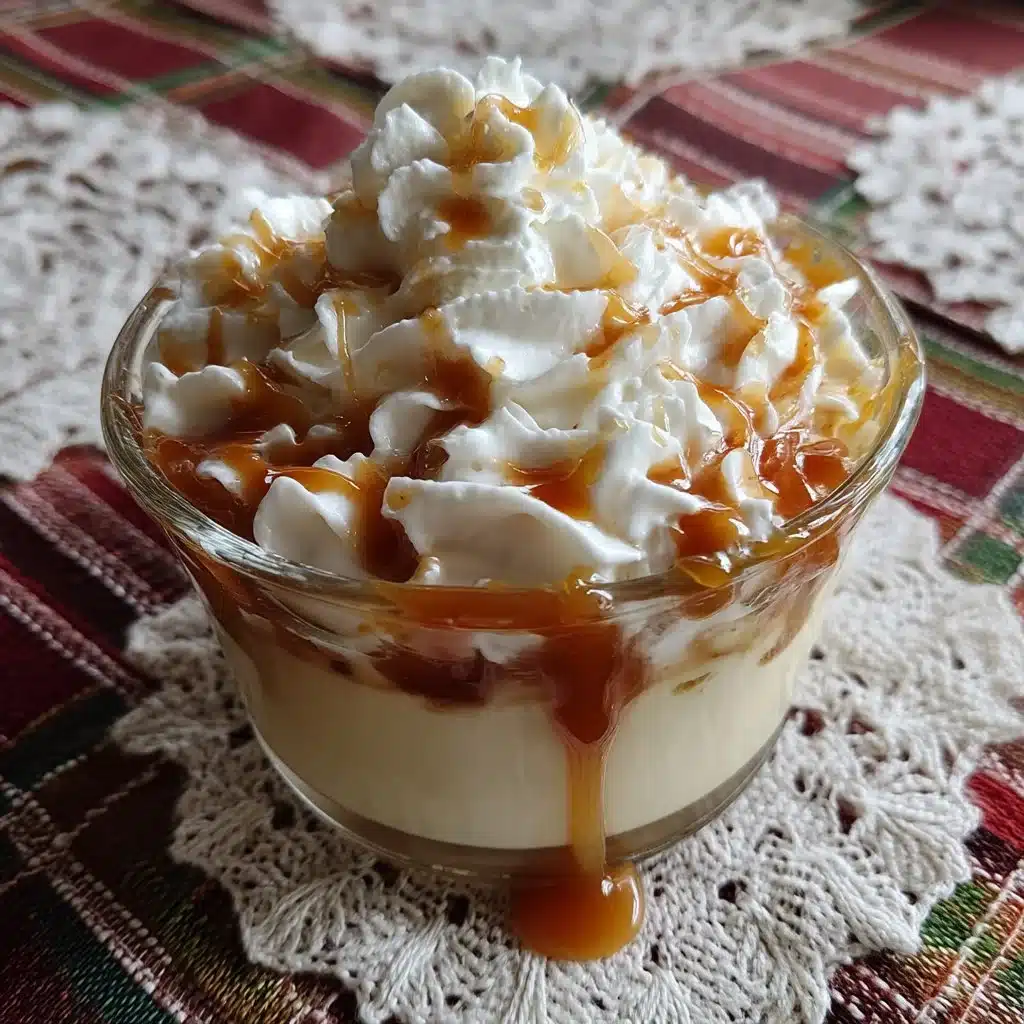
Q: How can I tell when the caramel is done?
A: Watch for a deep golden-amber color and a toasty, caramel smell. The color darkens quickly, so be ready to remove it from heat once you hit that sweet spot.
Q: My custard is slightly watery after refrigerating what happened?
A: It may not have cooked long enough to thicken or the eggs weren’t tempered slowly enough. Strain the mixture before chilling next time and ensure you whisk while tempering the yolks.
Q: Can I make this dairy-free?
A: Yes. Substitute full-fat coconut milk for the heavy cream and milk. The texture will be slightly different but still rich and lovely with the caramel flavor.
Q: Is there a way to reheat frozen budino without ruining it?
A: Thaw in the refrigerator overnight and bring to room temperature before serving. Gentle warm water bath reheating can work, but it may loosen the texture slightly.
Conclusion
When you want something that tastes like a warm kitchen and looks like a small celebration, Salted Caramel Budino with Whipped Cream delivers every time. For an inspired chocolate twist that pairs beautifully with salted caramel, see this Chocolate Budino with Salted Caramel for extra ideas and presentation tips. Salted Caramel Budino with Whipped Cream is a dessert you can trust to bring comfort, elegance, and a little bit of home to any table.
PrintSalted Caramel Budino with Whipped Cream
- Total Time: 45 minutes
- Yield: 4 servings
- Diet: Vegetarian
Description
A rich and creamy dessert, this Salted Caramel Budino with Whipped Cream delivers comforting flavors and elegant presentation, perfect for any gathering.
Ingredients
- 1 cup sugar
- 1/4 cup water
- 2 cups heavy cream
- 1/2 cup milk
- 1/4 teaspoon salt
- 4 large egg yolks
- 1 teaspoon vanilla extract
- Whipped cream for topping
Instructions
- In a saucepan, combine the sugar and water.
- Heat the sugar mixture over medium heat without stirring until it turns golden brown.
- In a separate pot, heat the heavy cream and milk until steaming but not boiling.
- In another bowl, whisk the egg yolks with the salt until smooth.
- Slowly pour a little of the hot cream into the yolk mixture, whisking constantly to temper the yolks.
- Continue to add the hot cream in a steady stream, mixing until smooth.
- Stir the caramel into the cream and yolk mixture until evenly combined.
- Pour the mixture into cups or ramekins.
- Refrigerate the cups until the custard is fully set.
- Serve chilled topped with whipped cream.
Notes
Chill the custard fully for best texture and serve with whipped cream just before presenting.
- Prep Time: 15 minutes
- Cook Time: 30 minutes
- Category: Dessert
- Method: Chilling
- Cuisine: Italian