
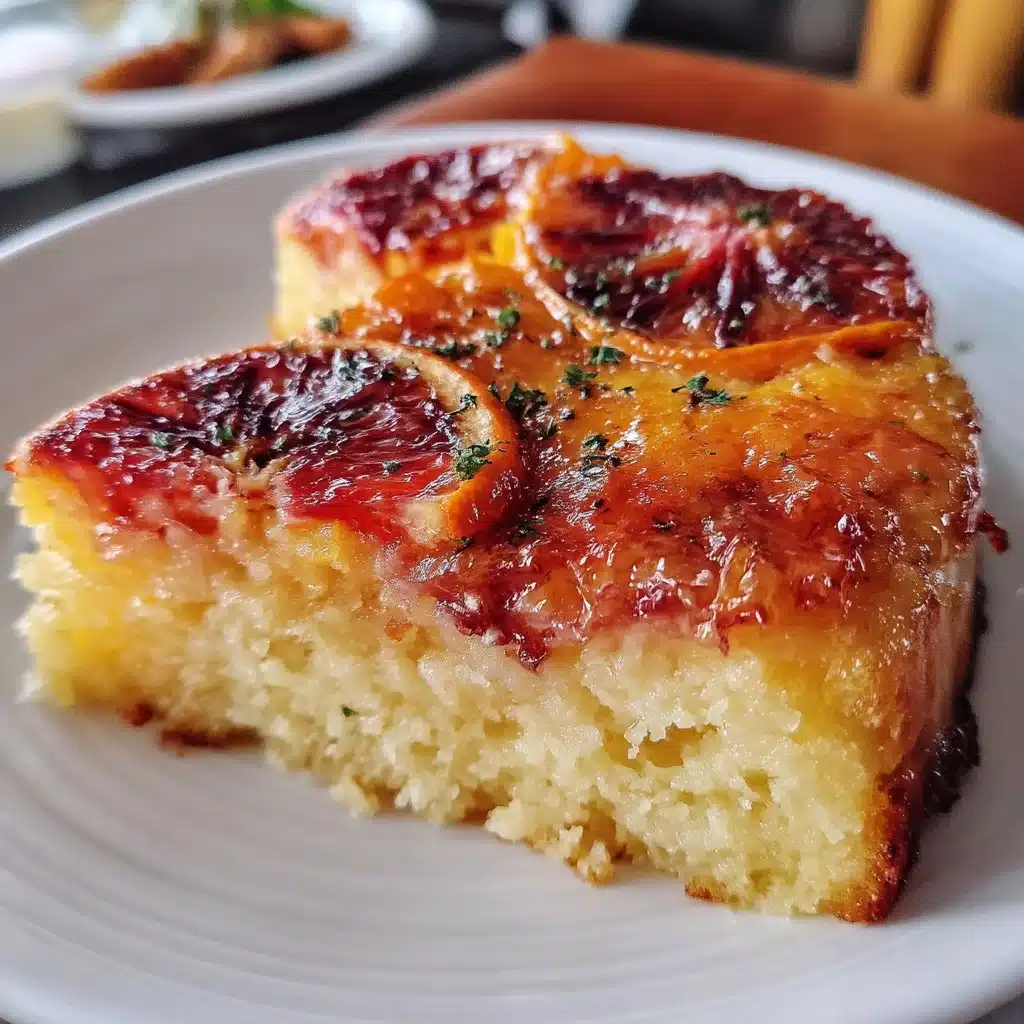
There is nothing quite like the bright perfume of citrus and warm vanilla filling the kitchen when a Blood Orange Ricotta Upside-Down Cake comes out of the oven; the caramelized slices whisper tart sweetness, the ricotta keeps each bite tender, and the crumb holds a gentle, almost custardy texture that makes you close your eyes and remember afternoons at Grandma’s table. The crackle of the pan as you unwrap the foil, the soft steam carrying that blood orange scent, and the first forkful that yields a moist, almost silky crumb that’s the kind of cake that invites second helpings and small, satisfied smiles.
This is classic comfort food, the sort of dessert that gathers people around the table without much fuss. It works for potlucks, for a cozy Sunday supper, or for surprising a neighbor with something homemade. The bright, slightly tart orange rounds give the cake a grown-up note, while the ricotta brings a creamy lift that keeps the cake from ever feeling heavy. Pair a slice with a bowl of soup or a simple salad for a light dinner that feels finished, or serve it after a family meal with a scoop of whipped cream. If you like the creamy citrus pairing in other treats, you might enjoy trying orange ricotta pancakes as a breakfast twist to the same flavor family; a simple warm stack brings the same soft tang to the table.
This version is wonderfully simple and almost foolproof, built to be approachable. It doesn’t ask for fancy equipment, and the batter comes together quickly just mix until smooth and pour over the arranged orange rounds. With straightforward steps and ingredients you likely have on hand, you get a cake that looks like you spent all day on it, but really only needs a little hands-on time and a patient oven. It gives you confidence whether you’re baking for friends or for a quiet afternoon treat.
Why this recipe works
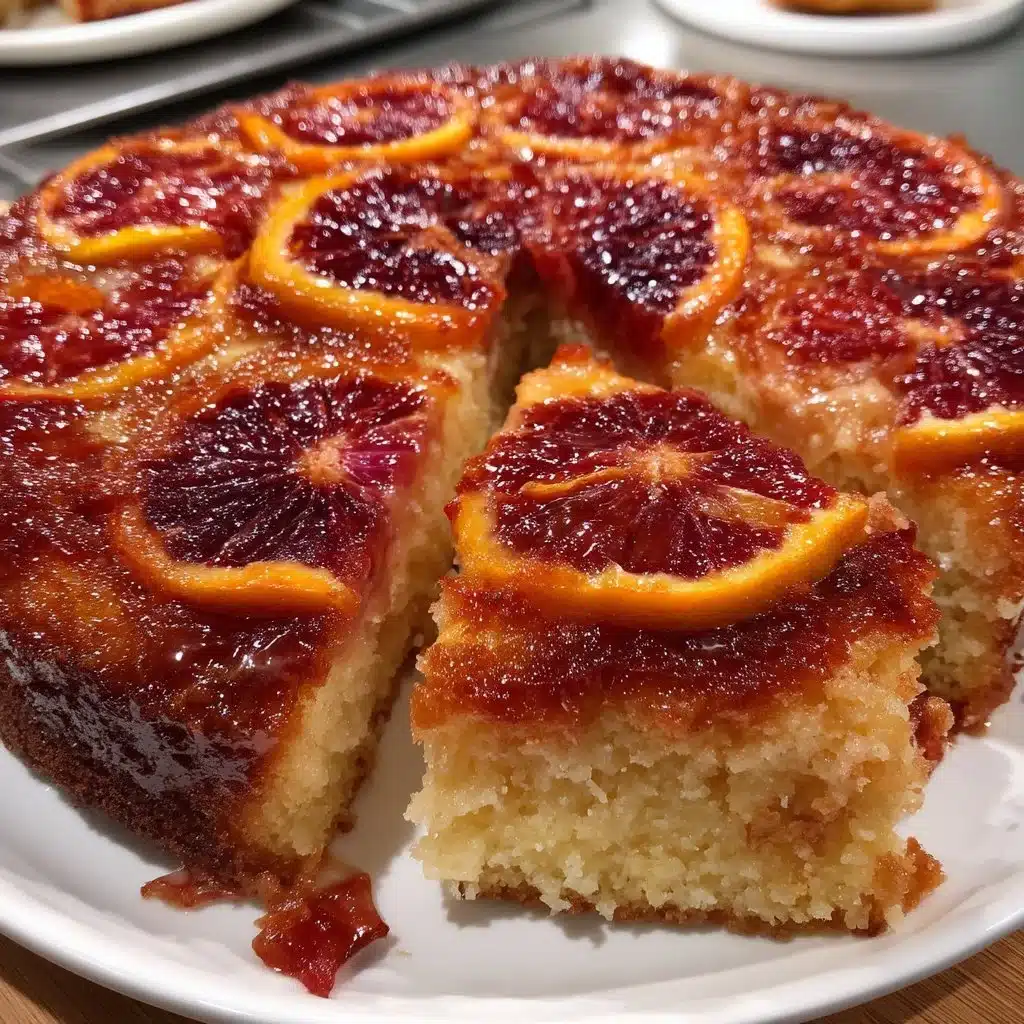
A few humble ingredients come together here and create more than the sum of their parts. The ricotta is the unsung hero: it gives moisture and a gentle richness without the density of heavier cheeses. In this cake it keeps the crumb tender and slightly creamy, which contrasts beautifully with the thin, caramelized orange slices on top. Those thin slices, when baked, release their juices and combine with the butter and sugar at the pan’s base to form a light glaze that soaks just enough into the cake to make every forkful a little juicy, a little caramelized, and always flavorful.
Texture is the star. The flour and baking powder create a soft lift, but they don’t overwhelm the delicate structure ricotta provides. You get a cake that is airy yet moist, with an edge of chew from the oranges and a glossy top that looks as lovely as it tastes. The eggs bind the batter and add richness, while the sugar and a touch of salt balance the citrus brightness and coax the flavor of vanilla forward. Melting the butter before stirring it into the batter allows it to mix evenly and contribute to a silkier mouthfeel than cold butter would.
Ease of cooking is another reason this recipe succeeds. The method arranging fruit, blending a simple batter, and baking is forgiving. Because the oranges are in direct contact with the heat and the butter-sugar glaze, they soften and flavor the surface without the need for precise timing or special technique. If your pan is a touch larger or smaller, the cake may shift in thickness but still bakes through reliably. The simplicity also lets the ingredients shine; there’s no heavy frosting to hide the natural taste, so high-quality oranges and fresh ricotta make a meaningful difference. Altogether, this combination of reliable texture and hands-off baking is why the Blood Orange Ricotta Upside-Down Cake is such a pleasure to make and share.
How to prepare Blood Orange Ricotta Upside-Down Cake
Begin by gathering your ingredients and preheating the oven so everything moves smoothly once you start. You’ll slice the oranges thin so they caramelize quickly and evenly. Mixing the ricotta, eggs, sugar, and vanilla creates a creamy base that is easy to fold with the dry ingredients. The most satisfying part is arranging the orange rounds in the pan; it’s the touch that makes the cake look special before it even goes into the oven. Watching the butter and sugar transform into a glossy bed for those oranges, then pouring the batter over them, feels like setting a small gift to bake.
Keep your steps simple. When you add the dry ingredients, fold them in gently so the batter stays airy. Once the melted butter is added, mix until smooth. The cake bakes in a tidy 30–35 minutes and comes out with a perfumed top and a tender interior. Let it cool enough so the glaze sets a little, then invert it carefully onto a plate the reveal is always worth the wait. This approach keeps the process stress-free while delivering a result that looks and tastes special.
Ingredients
- 2 blood oranges
- 1 cup ricotta cheese
- 1 cup sugar
- 3 large eggs
- 1 teaspoon vanilla extract
- 1/2 cup all-purpose flour
- 1/2 teaspoon baking powder
- 1/4 teaspoon salt
- 1/4 cup butter, melted
Instructions
- Preheat your oven to 350°F (175°C).
- Grease a round cake pan.
- Slice the blood oranges into thin rounds.
- Arrange the orange slices on the bottom of the prepared pan.
- In a bowl, combine ricotta cheese, sugar, eggs, and vanilla extract.
- Mix the ricotta mixture well.
- In another bowl, whisk together flour, baking powder, and salt.
- Gradually add the dry ingredients to the ricotta mixture.
- Pour the melted butter into the batter.
- Mix until smooth.
- Pour the batter over the blood oranges in the cake pan.
- Bake for 30 to 35 minutes.
- Test with a toothpick. It should come out clean.
- Allow the cake to cool.
- Invert the cake onto a serving plate.
Serving ideas
This cake pairs beautifully with a few simple sides that keep the focus on fresh citrus and creamy texture. Try serving slices alongside a light green salad dressed with lemon vinaigrette for a brunch that feels both bright and comforting. A small bowl of mixed fresh berries also complements the caramelized oranges and adds a fresh contrast. For something cozy, offer a scoop of plain yogurt or a dollop of lightly sweetened whipped cream on the side to echo the cake’s ricotta creaminess.
If you want to continue the ricotta-and-orange theme through dessert choices, consider offering a small plate of creamy orange ricotta cheesecake bars as a second sweet bite for people who want more variety; they share similar flavors but a different shape and richness. For drinks, a mildly sweet tea, such as jasmine or orange pekoe, or a glass of cold milk are homey, welcoming choices that balance the cake’s citrusy brightness without overwhelming it.
Storing this recipe
Store cooled cake loosely covered at room temperature for up to 24 hours. If you plan to keep it longer, wrap it in plastic wrap or transfer to an airtight container and refrigerate for up to 4 days. The fridge helps preserve the ricotta’s freshness and keeps the cake from becoming too moist from any lingering juice from the oranges.
For longer storage, you can freeze slices. Wrap each slice tightly in plastic wrap and then place in a freezer-safe container or bag. Frozen slices will keep well for up to 2 months. Thaw overnight in the refrigerator before serving. To reheat, warm slices gently in a low oven (about 325°F) for 10–12 minutes, or microwave briefly in 20-second bursts until just warm. Warming restores that soft texture and brings the aroma back, but avoid overheating so the ricotta stays tender rather than drying out.
Helpful tips
Tip 1 Slice the oranges thin and even. When the orange rounds are of uniform thickness, they caramelize at the same rate and create an attractive, even layer on top of the cake. Use a sharp knife and steady hand; if the slices are too thick they may remain chewy rather than tender, and if they are too thin they can dry out. A mandoline can help, but a steady knife works just as well. Arrange overlapping slices in a single layer and tuck smaller pieces into gaps to keep the surface balanced.
Tip 2 Don’t overmix once you add the dry ingredients. Mix only until the flour disappears and the batter looks smooth. Overworking the batter can lead to a denser crumb. The ricotta’s moisture helps keep the cake tender, so gentle folding keeps air in and gives you the soft, slightly creamy texture you want. When you add the melted butter, stir just until it is incorporated and the batter looks glossy.
Tip 3 Be patient with cooling and inverting. The cake needs a few minutes to settle after it comes out of the oven so the glaze thickens and the oranges firm up slightly. Inverting too soon can make the top slip or the oranges stick. Use a flat plate that covers the pan completely, and hold both pan and plate together as you flip. If any bits remain in the pan, you can carefully lift them with a small spatula and press them back into place. These small steps preserve the presentation and keep the slices intact when serving.
These tips prevent common mistakes and help even first-time bakers produce a beautiful cake. Pay attention to slice thickness, limit mixing, and give the cake time to cool those small choices will reward you with a reliably tender, evenly glazed dessert.
Recipe variations
Add toasted nuts for crunch. Sprinkle chopped toasted almonds or pistachios over the oranges before pouring the batter. The nuts give a welcome contrast to the creamy ricotta and bright citrus.
Swap oranges for another citrus. Use thin slices of tangerine or navel orange for a milder sweetness, or try grapefruit for a tarter variation. Adjust sugar slightly if you use very tart fruit.
Citrus-ricotta streusel finish. Mix a little flour, brown sugar, butter, and zest to make a crumbly streusel. Sprinkle it over the batter before baking for a crunchy top that contrasts with the soft cake.
Each twist keeps the basic structure but lets you play with texture and flavor so the cake can suit different occasions.
Common questions
Q: Can I use regular oranges instead of blood oranges for this cake?
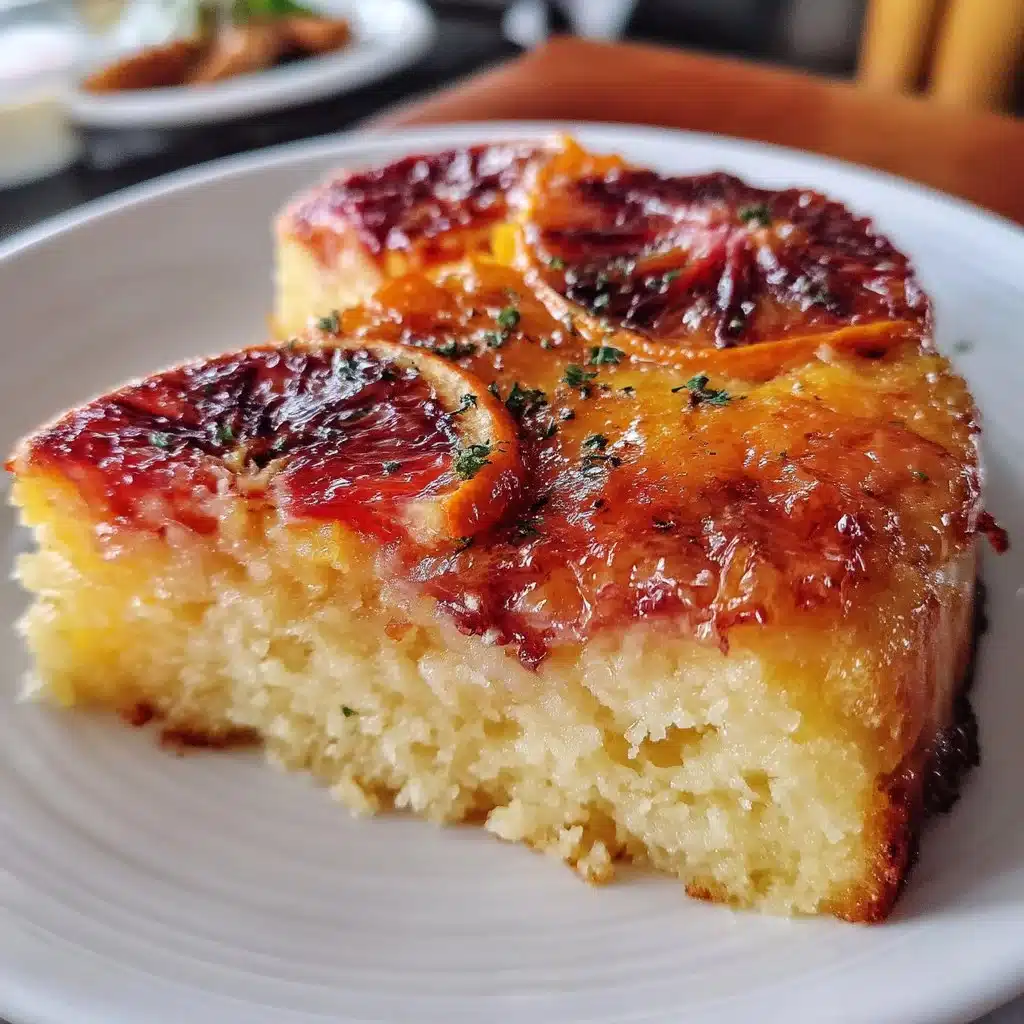
A: Yes. Regular navel or cara cara oranges work well. The cake will be similar in texture; blood oranges add a deeper color and a slightly more floral flavor.
Q: My cake sank in the middle. What went wrong?
A: Sinking usually comes from underbaking or opening the oven too early. Make sure your oven is fully preheated and test with a toothpick. Also avoid overmixing the batter, which can cause collapse.
Q: Can I make this dairy-free or egg-free?
A: Ricotta and eggs contribute to texture and structure, so substitutes will change the cake. For dairy-free, try a firm plant-based ricotta and a suitable egg replacer, but expect a different crumb. For best results, follow the original recipe or look for a recipe designed for those swaps.
Q: How thin should I slice the blood oranges?
A: Aim for slices about 1/8 inch thick. That thickness softens and caramelizes nicely without falling apart.
Conclusion
If you love the warm, citrusy finish of a good upside-down cake, this version brings comfort and brightness to the table in equal measure. For a lovely read on a similar theme and more ideas for pairing blood orange with ricotta in cakes, see blood orange, almond and ricotta cake – Smitten Kitchen. When the occasion calls for something simple but special, the Blood Orange Ricotta Upside-Down Cake is a recipe that delivers both heart and flavor.
Print
Blood Orange Ricotta Upside-Down Cake
- Total Time: 50 minutes
- Yield: 8 servings
- Diet: Vegetarian
Description
A delightful upside-down cake featuring caramelized blood oranges and a creamy ricotta batter that creates a tender, custardy texture.
Ingredients
- 2 blood oranges
- 1 cup ricotta cheese
- 1 cup sugar
- 3 large eggs
- 1 teaspoon vanilla extract
- 1/2 cup all-purpose flour
- 1/2 teaspoon baking powder
- 1/4 teaspoon salt
- 1/4 cup butter, melted
Instructions
- Preheat your oven to 350°F (175°C).
- Grease a round cake pan.
- Slice the blood oranges into thin rounds.
- Arrange the orange slices on the bottom of the prepared pan.
- In a bowl, combine ricotta cheese, sugar, eggs, and vanilla extract.
- Mix the ricotta mixture well.
- In another bowl, whisk together flour, baking powder, and salt.
- Gradually add the dry ingredients to the ricotta mixture.
- Pour the melted butter into the batter.
- Mix until smooth.
- Pour the batter over the blood oranges in the cake pan.
- Bake for 30 to 35 minutes.
- Test with a toothpick. It should come out clean.
- Allow the cake to cool.
- Invert the cake onto a serving plate.
Notes
Serve with a scoop of whipped cream or alongside a light salad. Store leftover cake wrapped at room temperature for a day or refrigerated for up to four days.
- Prep Time: 15 minutes
- Cook Time: 35 minutes
- Category: Dessert
- Method: Baking
- Cuisine: American