
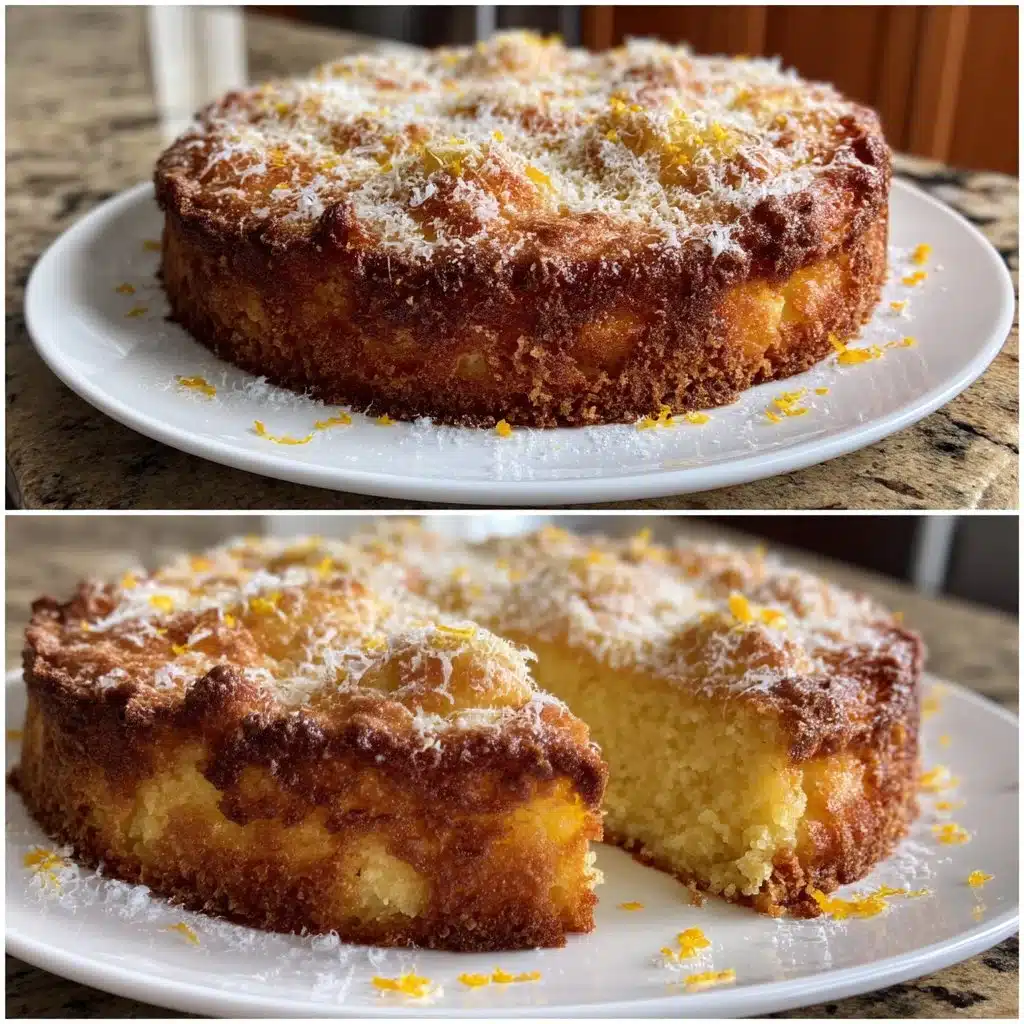
The first time you lift a slice and breathe in that warm citrus-sweet steam, you’ll know why this cake is so comforting: the crumb is tender from ricotta, slightly grainy and golden from the polenta, and the orange zest gives a bright, sunlit perfume that lingers. Ricotta Polenta Cake with Orange Zest melts on the tongue in a way that feels like a soft kitchen blanketmoist but with just enough texture to remind you it’s homemadeand a dusting of powdered sugar adds the quiet, pretty finish that makes everyone reach for a second slice. I like to serve it still slightly warm so the aroma fills the room, and it pairs beautifully with a cup of hot tea or a small scoop of cold cream for contrast.
This is one of those classic comfort recipes that fits every family table: simple to make, forgiving, and nostalgic without being fussy. It works for weekday coffee with neighbors, after-school snacks for visiting grandkids, or a gentle dessert that follows a bowl of soup at Sunday dinner. There’s something about the soft ricotta and the polenta’s little bits that brings people togetherfaces light up, stories begin, and someone inevitably asks for the recipe. If you’re feeling sentimental, slice it thin and pass it around with a pot of strong tea; if you’re celebrating, add a small drizzle of honey and watch the smiles spread. For a lighter companion treat, try a slice of lemon cake on another afternoon to keep the flavors bright and varied; you can find a good almond-lemon ricotta variation if you want to compare textures and tones to this one by following a link to a lighter ricotta cake that I love.
This version is simple and downright foolproof, perfect if you want a reliably delicious cake without a long list of steps. The batter comes together in one bowl, and the bake time is short enough that you can make it for unexpected guests. Because there’s no complicated folding or tempering, it’s a great recipe to show a daughter or granddaughter who’s just learning to bakehands-on, patient, and always rewarding.
Why this recipe works
This cake succeeds because of the balance between texture and ease. The polenta gives a tiny, pleasant grit that holds moisture differently than flour; it creates a tender crumb that feels substantial without being heavy. Ricotta brings richness and a delicate creaminess, acting almost like a part-fat, part-milk ingredient that keeps the interior soft and moist even after cooling. Sugar and eggs provide the necessary structure and lift, while a touch of baking powder adds a gentle rise so you don’t get a flat, dense slab. The orange zest is more than flavor; its oils blend into the batter and perfume the whole cake as it bakes, giving you little aromatic bursts in every bite.
From a practical standpoint, the ingredients are pantry-friendly and forgiving. Polenta doesn’t absorb liquid in the same way wheat flour does, so the batter isn’t fussy about exact hydration; if it seems a touch thicker or thinner, the bake still comes out well. Ricotta can vary by brandsome are drier, some creamierbut that variation tunes the final texture rather than ruining it. The small salt amount knits the flavors together, helping the orange feel bright rather than one-dimensional. This is also a forgiving temperature recipe: a steady 350°F allows the outside to set and the inside to remain tender.
Because this is an easy recipe, it’s accessible to cooks who may not bake often. You don’t need an electric mixer; a bowl and a whisk deliver the smooth batter you want. When you mix until smooth, you’ll notice a glossy sheen and a batter that flows slowly off the spoonthat’s your cue that the ingredients are well combined. Little touches, like zesting the orange just before you mix, maximize the aromatic oils. If you want to explore nearby flavor territory, you might compare texture and flavor to an almond-lemon ricotta cake with lemon glaze by trying an inspired recipe like an almond-and-lemon ricotta cake with glaze, which shares the ricotta base but gives a different nutty lift.
How to prepare Ricotta Polenta Cake with Orange Zest
Start by gathering everything so the rhythm of baking feels calmmeasure, zest, and preheat, and you’ll find the whole process almost meditative. The most satisfying part is stirring the batter until it becomes smooth and slightly glossy; that’s when you know the eggs, ricotta, and polenta have become friends. Greasing the pan and pouring the batter in is simple, and watching the top turn a gentle golden in the oven is quietly rewarding.
As you mix, be gentle but thorough. Scrape the bowl so no pockets of ricotta remain; a few small lumps won’t hurt, but you want an even texture. While it bakes, tidy up the counters and set out a plateby the time the cake cools a little, the aroma will have people wandering into the kitchen. Cooling for a short while makes slicing neater and keeps the slices from falling apart, but if someone wants a wedge while it’s still warm, I say go aheadthere’s something lovely about that first warm bite.
Ingredients
- 1 cup polenta
- 1 cup ricotta cheese
- 1/2 cup sugar
- 1/2 cup milk
- 3 large eggs
- 1 teaspoon baking powder
- Zest of 1 orange
- 1/4 teaspoon salt
- Butter for greasing
- Powdered sugar for serving (optional)
Instructions
- Preheat the oven to 350°F (175°C).
- Grease a round cake pan with butter.
- In a mixing bowl, combine polenta, ricotta cheese, sugar, milk, eggs, baking powder, orange zest, and salt.
- Mix until smooth.
- Pour the batter into the prepared cake pan.
- Spread the batter evenly in the pan.
- Bake for 30–35 minutes.
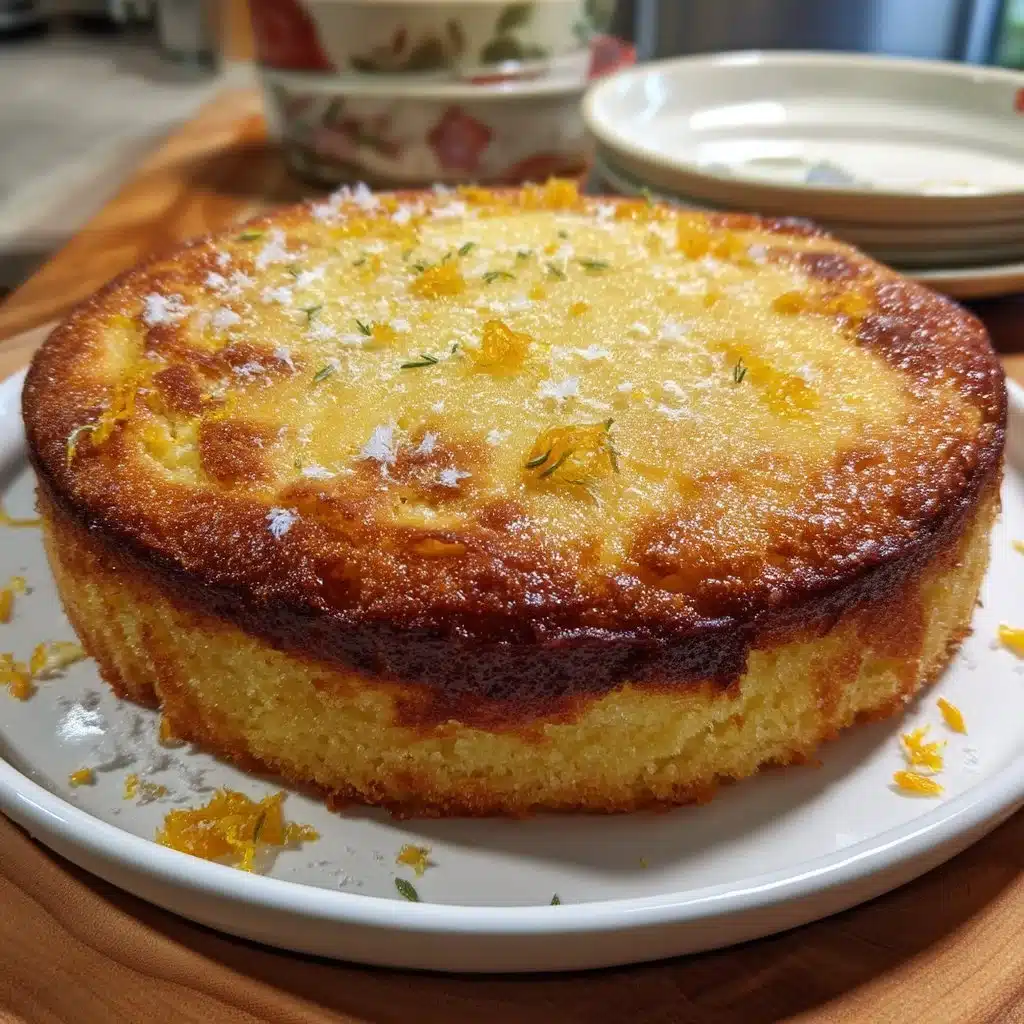
- Bake until the cake is set and lightly golden on top.
- Allow to cool before transferring to a serving plate.
- Dust with powdered sugar if desired.
- Serve.
How to serve this dish
This cake is lovely on its own, but here are three simple, homey pairings that bring out different notes:
- A bowl of mixed berries or stewed fruit the bright juices play nicely with the orange zest.
- A small scoop of vanilla ice cream or a dollop of lightly sweetened whipped cream the cream contrasts the polenta’s texture.
- A slice of soft cheese or a ricotta spread on the side for a matching, creamy echo.
For drinks, choose a warm black tea with a hint of bergamot or a light coffee. If you prefer something cold, a glass of chilled orange-spiked sparkling water echoes the zest without overwhelming the cake.
Storing this recipe
Store slices in an airtight container in the refrigerator for up to 4 days; the flavors settle pleasantly over the first day. If you want to keep it longer, wrap the cooled whole cake in plastic wrap and a layer of foil, then freeze for up to 2 months. Thaw in the refrigerator overnight, then bring to room temperature before serving, or warm gently in a low oven (about 300°F) for 10–15 minutes. To reheat single slices, a quick turn in the microwave for 10–15 seconds softens the crumb, or a few minutes under a low broiler crisps the top slightlywatch closely so it doesn’t dry out.
Helpful tips
Get the ricotta right. Use whole-milk ricotta if you can find it; it adds richness and keeps the cake moist. If your ricotta is very wet, drain it in a fine sieve for 20–30 minutes so the batter isn’t runny. If it’s unusually dry, add a tablespoon of milk to bring it to a spreadable consistency. These small adjustments keep your batter smooth and help the cake bake evenly.
Mind the polenta’s texture. Polenta comes in different grind sizes; a medium grind gives a pleasant tooth without being gritty. If you prefer a silkier crumb, you can pulse the polenta in a food processor a few times to slightly reduce the grain size. Don’t overdo itpart of the cake’s charm is that tender, slightly grainy bite.
Don’t overmix once the eggs are in. Mix until smooth, but stop when the batter is glossy and combined. Overbeating can incorporate too much air and change the texture, producing an uneven rise or a drier crumb. Use a spatula to scrape the sides and fold gently so every ingredient is included.
Zest with purpose. Zest the orange directly over the bowl so none of the precious oils are lost. If you like a bolder citrus note, add a teaspoon of orange juice to the batter, but avoid adding too much liquid. The concentrated oils on the peel are what make the flavor sing without changing the cake’s structure.
Watch the bake time. Ovens vary, so check at 25 minutes the first time you make this. The top should be lightly golden and spring back when touched in the center. A toothpick will come out mostly clean with a few moist crumbsif it’s wet batter, it needs more time.
Serve with confidence. This cake is forgiving and carries memories. Don’t worry about a perfect dome or a perfectly smooth top; the flavor and the company you share it with are what matter most.
Flavor variations
- Orange and almond: Fold in 1/2 cup finely ground almonds for a nutty lift and swap half the milk for almond milk for a subtle flavor shift.
- Citrus mix: Replace half the orange zest with lemon zest and add a teaspoon of lemon juice for a brighter, tangier profile.
- Honey and thyme: Stir in two tablespoons of good honey and a teaspoon of finely chopped fresh thyme for a slightly herbal, sweet version that’s lovely with tea.
Frequently asked questions

Q: Can I use instant polenta or coarse cornmeal?
A: Instant polenta works best because it yields a more consistent texture in a cake; coarse cornmeal will give a coarser crumb and may change the final texture. If you only have coarse cornmeal, consider pulsing it briefly in a blender.
Q: Do I have to use fresh orange zest?
A: Fresh zest is ideal because it contains the essential oils that perfume the batter. Dried orange zest won’t give the same bright aroma.
Q: Can I make this dairy-free?
A: You can try with a nondairy ricotta and plant-based milk; expect a slightly different texture. The cake should still be pleasant but won’t have the exact richness of whole-milk ricotta.
Q: How can I tell when the cake is done?
A: The top should be lightly golden and spring back when pressed gently in the center. A toothpick inserted should come out with a few moist crumbs but not wet batter.
Conclusion
This soft, sunny cake is a gentle reminder that simple ingredients can make a memorable dessert, and that a good afternoon with family often needs only cake and conversation. If you’d like inspiration from a recipe that plays with similar flavors, try this lovely blood orange, ricotta, olive oil and polenta cake for another way to enjoy citrus and ricotta. Serve your Ricotta Polenta Cake with Orange Zest warm or at room temperature, and let it be the kind of treat that brings everyone back to the kitchen.
Print
Ricotta Polenta Cake with Orange Zest
- Total Time: 45 minutes
- Yield: 8 servings
- Diet: Vegetarian
Description
A comforting and tender cake made with ricotta and polenta, infused with bright orange zest, perfect for any family gathering.
Ingredients
- 1 cup polenta
- 1 cup ricotta cheese
- 1/2 cup sugar
- 1/2 cup milk
- 3 large eggs
- 1 teaspoon baking powder
- Zest of 1 orange
- 1/4 teaspoon salt
- Butter for greasing
- Powdered sugar for serving (optional)
Instructions
- Preheat the oven to 350°F (175°C).
- Grease a round cake pan with butter.
- In a mixing bowl, combine polenta, ricotta cheese, sugar, milk, eggs, baking powder, orange zest, and salt.
- Mix until smooth.
- Pour the batter into the prepared cake pan.
- Spread the batter evenly in the pan.
- Bake for 30–35 minutes.
- Allow to cool before transferring to a serving plate.
- Dust with powdered sugar if desired.
- Serve.
Notes
This cake pairs beautifully with a cup of hot tea or a scoop of cold cream. Store in an airtight container for up to 4 days.
- Prep Time: 15 minutes
- Cook Time: 30 minutes
- Category: Dessert
- Method: Baking
- Cuisine: Italian