
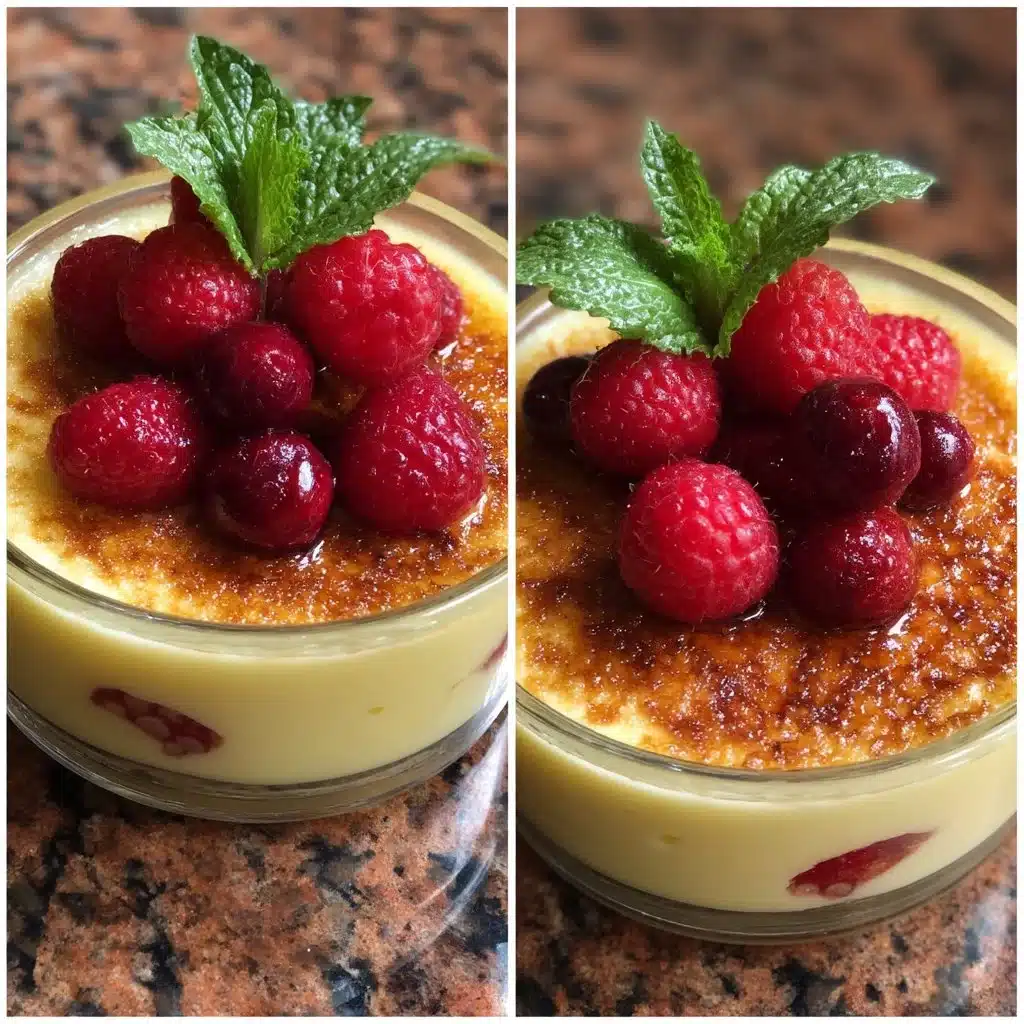
The first spoonful is like sunshine and silk—bright lemon and sweet Limoncello wrapped in a cloud of whipped cream, with a whisper of warm eggy custard underneath that melts on your tongue; these Limoncello Zabaglione Dessert Cups smell of summer afternoons and taste like a small, elegant celebration. The texture is what keeps you coming back: airy yet rich, with the berries on top adding the fresh snap that makes every bite feel perfectly balanced. You can almost hear your grandmother calling you to the table, the lemon scent drawing everyone in.
This is a classic comfort food for gatherings because it feels both special and familiar. It’s light enough to follow a generous family dinner yet indulgent enough to mark an occasion. A tray of these dessert cups sits pretty on the table beside a bowl of soup or a plate of warm cookies and invites conversation—people will reach for them slowly, savoring every bite. The Limoncello lends a grown-up brightness that makes the dessert feel celebratory without being heavy, and the berries give a homey, seasonal touch. If you enjoy a balance of sweet and tart in your desserts, this will become a go-to for potlucks and family get-togethers. And if you’re curious how it pairs with other fruit-forward treats, take a look at my caramel apple dessert cups for another cozy option: caramel apple dessert cups.
This version is simple and foolproof, built for cooks who want a good result without fuss. You don’t need fancy equipment—just a whisk, a bowl, a saucepan for a gentle double boiler, and a little patience. The steps are forgiving, so even if it’s been years since you made a custard, you’ll find rhythm in the whisking and joy in the smooth, velvety mixture you’re creating. What you end up with are dessert cups that look elegant enough for company but are straightforward enough for a weeknight treat.
Why this recipe works
The success of these Limoncello Zabaglione Dessert Cups comes down to a few simple truths about texture and technique. Zabaglione, at its heart, is an egg-based custard whipped over gentle heat until it becomes voluminous and silky. The egg yolks, when beaten with sugar, trap tiny air bubbles that then expand and stabilize with the warmth from the double boiler. That gentle heat is key: it cooks the eggs enough to thicken them but not so much that they scramble. Whisking constantly creates a smooth, even texture that feels light rather than dense.
Limoncello brings an aromatic, citrus-forward sweetness that cuts through the richness of the eggs and cream. Because Limoncello is a liqueur rather than straight lemon juice, it adds lemon flavor without making the custard curdle from acid. The sugar balances the slight bitterness of lemon zest notes and helps the eggs reach the correct custard stage more evenly. When the zabaglione cools, folding in softly whipped heavy cream gives the dessert its cloud-like body. The cream reintroduces air and rounds the custard so that each spoonful is both lush and airy.
Using heavy cream rather than milk is purposeful: cream holds its structure when whipped and blends smoothly with the cooled custard to create that melt-in-your-mouth finish. Vanilla adds a softer background note that keeps the lemon from tasting one-dimensional and complements the fruit topping. Fresh berries are more than decoration; their bright acidity and texture contrast with the velvety cup, giving you a refreshing burst that brightens each bite.
The method—cooking over simmering water rather than direct heat—keeps the temperature controlled. That gentle approach is forgiving, which is why this recipe is ideal for both confident cooks and those who prefer a calmer kitchen pace. Little tricks like using a metal bowl for quicker heat transfer and chilling the cups after assembly help the zabaglione set to the right consistency. For these reasons—balancing richness with lightness, careful heat, and complementary flavors—this dessert reliably pleases a crowd.
How to prepare Limoncello Zabaglione Dessert Cups
Making these cups at home is satisfying because the process moves from simple, rhythmic whisking to a soft, airy finale that always feels like you’ve made something special. Start by setting up a double boiler: a pot with gently simmering water and a heatproof bowl that sits comfortably on top without touching the water. Keep your ingredients ready—measure the Limoncello and sugar so you can add them steadily. The most satisfying moment is when the zabaglione thickens and becomes glossy; it’s like watching a small transformation happen before your eyes.
Work steadily and confidently: whisk the yolks and sugar until pale, then add the spirit a little at a time. As you whisk over the simmering water, you’ll see the mixture grow lighter and thicker; that’s when you know you’ve done it right. Let the custard cool a bit before you fold in the whipped cream so the cream keeps its air. Once folded, spooning the mixture into cups is a gentle, calming task that yields beautiful results. Chill them to set and top with berries just before serving for the best texture contrast.
Ingredients
- 4 large egg yolks
- 1/2 cup granulated sugar
- 1/2 cup Limoncello
- 1 cup heavy cream
- 1 teaspoon vanilla extract
- Fresh berries for topping
Instructions
- In a medium bowl, whisk together egg yolks and sugar until pale and creamy.
- Gradually add Limoncello while continuing to whisk.
- Place the bowl over a pot of simmering water.
- Whisk constantly until the mixture thickens, about 8–10 minutes.
- Remove from heat and let cool.
- In another bowl, whip the heavy cream and vanilla until soft peaks form.
- Gently fold the whipped cream into the cooled zabaglione mixture until combined.
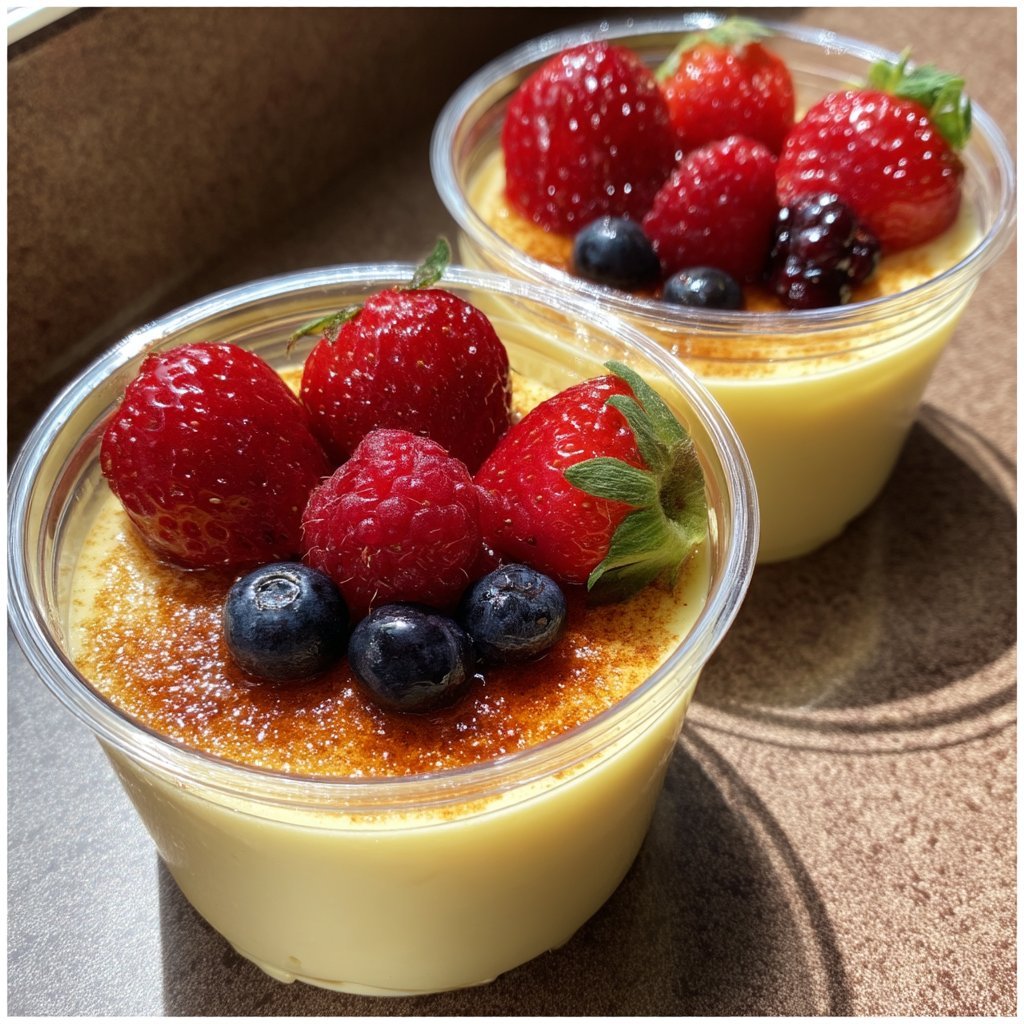
- Spoon into dessert cups and top with fresh berries.
- Chill before serving.
Serving ideas
These cups are lovely on their own or as part of a small dessert spread. Pair them with:
- A simple shortbread cookie or biscotti for a tender crunch.
- A small scoop of lemon sorbet for extra citrus lift and a cold contrast.
- A few slices of poached pears or lightly macerated stone fruit, depending on the season.
For a drink pairing, serve a light, slightly sweet sparkling wine or a nonalcoholic sparkling lemonade for guests who prefer no alcohol. If you’d like more fruity dessert ideas to set alongside these cups, consider pairing them with my caramel apple dessert cups for a cozy fall table: caramel apple dessert cups.
Storing this recipe
These dessert cups keep well in the refrigerator for up to 2 days. Store them covered to prevent the surface from absorbing other fridge aromas. If you’ve topped the cups with berries, it’s best to remove the berries before storing and add fresh ones when you’re ready to serve; this keeps the fruit from releasing too much juice into the custard.
Freezing is not recommended for best texture. The whipped cream will not hold up well to freezing and thawing, which can make the mixture watery and grainy. If you do need to prepare parts ahead, you can make the zabaglione base and keep it chilled for up to 24 hours in an airtight container, then whip and fold in cream just before assembling. When serving chilled cups from the fridge, there is no need to reheat—these are best served cold. If you prefer a slightly softer texture, let them sit at room temperature for 10–15 minutes before serving.
Helpful tips
Temperature control is everything. Keep your water at a gentle simmer, not a rolling boil. If the water boils, the steam will be too hot and uneven, and you risk cooking the eggs too quickly. A steady, even warmth lets the egg yolks thicken gradually. If your hand gets tired, rest the bowl briefly and then resume whisking—better a steady pace than hurried scrambling.
Whisk with intention. Use a sturdy whisk and keep a steady, continuous motion while the zabaglione is over the heat. You’re aiming for a ribbon-like consistency that falls slowly from the whisk. If you stop whisking for too long, the eggs can start to set in clumps. If small curdles appear, transfer the mixture briefly to a blender for a few seconds to smooth it, then cool and proceed.
Cool before folding. Let the zabaglione cool enough so it’s warm but not hot when you fold in the whipped cream. If the custard is too warm, the whipped cream will deflate and you’ll lose the light texture. To keep the whipped cream airy, fold with a spatula using gentle strokes: bring from the bottom up and turn the bowl, mixing until just combined. Overfolding will make the mixture too dense.
Measure the Limoncello and add it gradually. Adding the liqueur slowly helps the egg mixture incorporate it without breaking. The alcohol content helps preserve flavor, but too much added at once can interfere with the custard’s structure.
Quality of ingredients matters. Use fresh eggs and heavy cream with at least 36% fat for best whipping volume and stability. Fresh berries give the prettiest presentation and the best contrast in flavor and texture. If your berries are slightly underripe, sprinkle a little sugar on them and let them sit for 10 minutes to draw out the juices.
Timing for serving. Make these a few hours ahead and chill so they settle, but add the berry topping just before serving to keep the colors vivid and the berries firm. If you’re transporting them, keep them in a cooler to maintain the chill.
These tips will help you avoid common pitfalls—curdled eggs, deflated cream, and watery texture—and will help you deliver consistent results that feel both comforting and elegant.
Recipe variations
- Make it berry-forward: Fold in a small amount of pureed strawberries or raspberries into the zabaglione before folding in the whipped cream for a blush-colored, fruitier version.
- Add a nutty crunch: Top each cup with a sprinkle of toasted almonds or pistachios for a pleasant texture contrast and a hint of savory balance.
- Make it alcohol-free: Replace the Limoncello with a mixture of lemon juice and a touch of simple syrup (start with 2 tablespoons lemon juice plus 2 tablespoons simple syrup) to keep the bright lemon flavor without alcohol.
Frequently asked questions
Q: Is the alcohol cooked out of the Limoncello when making zabaglione?
A: Some alcohol evaporates during the cooking process, but not all. The gentle heat reduces the alcohol content but leaves behind the flavor. If you want no alcohol, substitute with lemon juice and simple syrup.
Q: Can I make the zabaglione ahead of time?
A: Yes, you can make the zabaglione base a day ahead and keep it chilled. Whip the cream and fold it in just before assembling the cups to retain the best texture.
Q: How can I tell when the zabaglione has thickened enough?
A: Look for a ribbon that falls from the whisk and a glossy, slightly thickened mixture. It should coat the back of a spoon and feel warm rather than hot.
Q: Can I use a hand mixer instead of whisking by hand?
A: You can use a mixer for the whipped cream and to initially combine the yolks and sugar, but whisking over the double boiler by hand gives you more control to avoid overheating the eggs.
Conclusion
These Limoncello Zabaglione Dessert Cups are a lovely blend of bright lemon, airy cream, and soft custard—simple enough for a cozy weeknight yet pretty enough for guests. For a deeper look at traditional technique and variations, see this Zabaglione Recipe – Serious Eats, which offers helpful background and tips to complement this recipe.