
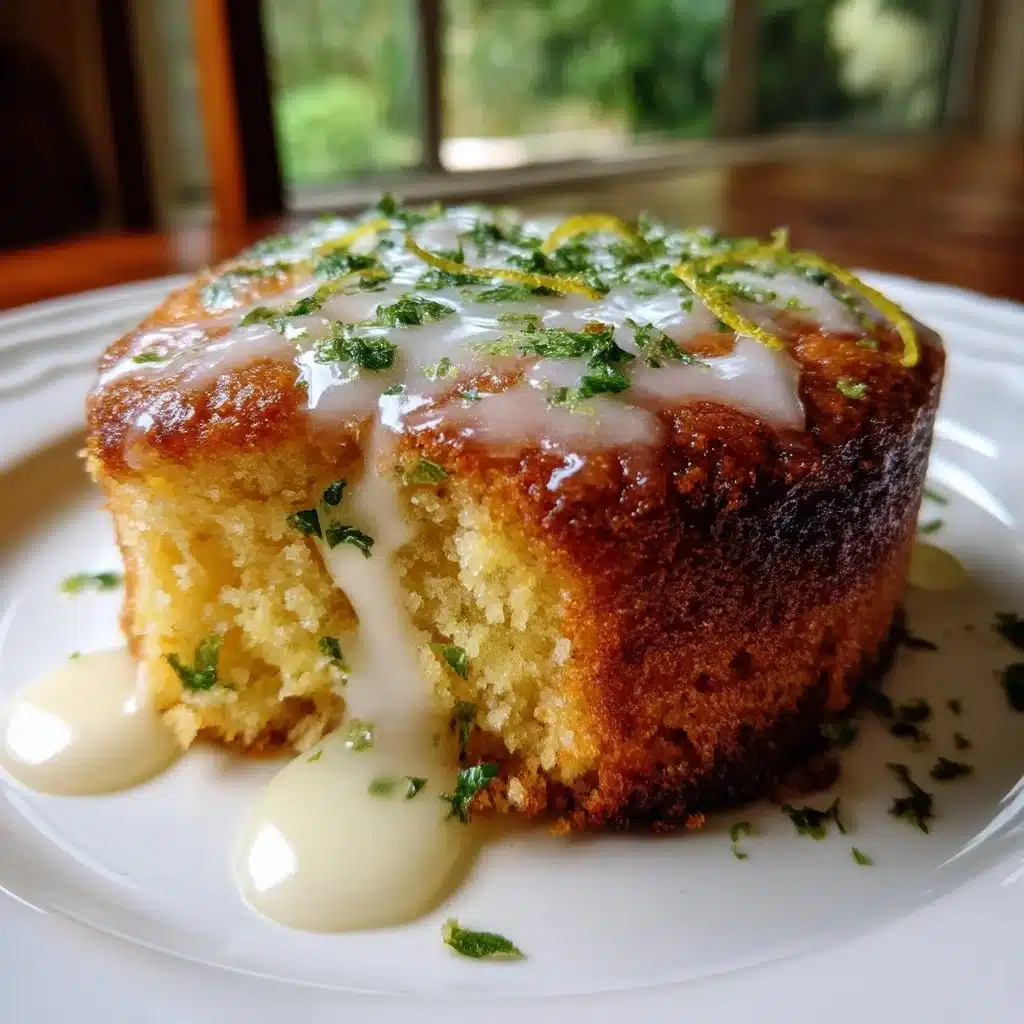
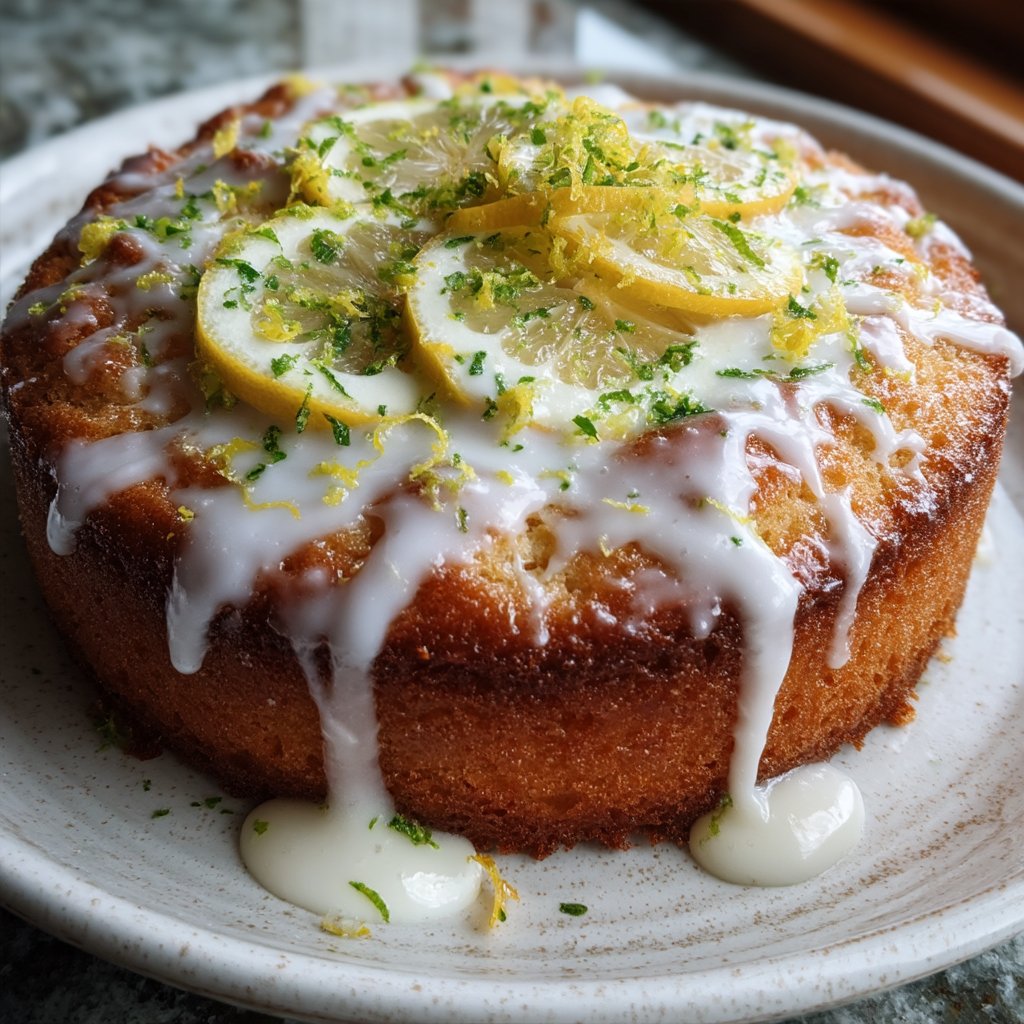
The cake arrives at the table with a silky crumb and a bright lemon scent that makes everyone smile before the first forkful. Lemon Olive Oil Cake with Ricotta Glaze has a tender, moist texture from the olive oil and yogurt, a gentle zip from fresh lemon juice and zest, and a soft, creamy ricotta glaze that cools the top with a whisper of sweetness it’s the kind of cake that feels like being wrapped in a warm kitchen hug.
It’s the kind of dessert that belongs on a family table, the one you bring to a gathering and everyone remembers. The flavors are familiar without being heavy, which makes it perfect alongside a bowl of soup, a simple fruit salad, or a plate of buttery biscuits. It pairs well with a slow afternoon and conversation that wanders from grandchildren to garden plans. If you want a similar, nut-scented note for a different day, you might enjoy an almond lemon ricotta cake with lemon glaze from the same home-style collection at our site it’s a lovely cousin that shows how a little change can be comforting and new at the same time: almond lemon ricotta cake with lemon glaze.
This version is simple and forgiving, perfect for cooks who want dependable results without fuss. The steps are straightforward, the ingredients are pantry-friendly, and the batter comes together quickly in one bowl. No elaborate techniques, no fancy equipment just honest ingredients and a little patience while it bakes and cools. You’ll get a cake that slices cleanly and keeps well for a few days, making it a fuss-free dessert to serve when family drops by or when you want a comforting slice with your afternoon tea.
Why this recipe works
This cake sings because the ingredients play nicely together to give both comfort and lift. Olive oil provides moisture and a velvety mouthfeel that keeps the crumb soft for days. Unlike butter, olive oil allows the cake to stay tender without becoming dense; its fat coats flour proteins so they don’t form too much gluten, which is what gives you that melt-in-your-mouth texture. Sugar does more than sweeten it helps retain moisture and promotes tenderness. The eggs give structure and stability; beating them into the oil and sugar creates a light matrix that supports the cake as it rises.
Greek yogurt is a quiet hero here. It adds tang and acidity that react with the baking powder, contributing gentle lift and a pleasant bite that balances the sweetness. The lemon juice and zest are essential: zest brings aromatic oils that perfume the batter, while the juice gives bright acidity to cut through the richness. Two teaspoons of baking powder ensure a steady, even rise without giant domes or tunnels, and a half teaspoon of salt rounds the flavors so the lemon really sings.
The flour is the framework, but the mixing technique matters. You want to fold the dry ingredients into the wet until just combined so you keep the crumb delicate. The ricotta glaze is simplericotta, powdered sugar, and vanilla whisk to a smooth spreadable consistency. It gives a cool, creamy counterpoint to the warm, citrus-scented crumb. If you like a nuttier note, I often think of small twists a little almond extract or a scattering of toasted nuts but the basic balance of oil, yogurt, and lemon is the reason this cake is reliably comforting. If you prefer a slightly more textured version with nuts and almond flavor, you can compare how similar cakes come together on our site for inspiration: a light almond lemon ricotta cake.
How to prepare Lemon Olive Oil Cake with Ricotta Glaze
Before you begin, gather the ingredients and preheat the oven so everything moves smoothly. Grease an 8-inch cake pan or line it with parchment. Whisking the oil and sugar first helps dissolve the sugar into the oil, giving the batter an even texture. Adding eggs one at a time and mixing well between each keeps the batter smooth and helps trap air for lift.
Mixing the yogurt, lemon juice, and zest into the wet ingredients adds moisture and brightness. Combine the dry ingredients separately and add them slowly to avoid overmixing. The most satisfying part is watching the glossy batter pour into the pan and knowing you’re seconds away from the warm lemon aroma that will fill the kitchen. While the cake cools, whisk the ricotta with powdered sugar and vanilla until smooth. When the cake is cool, spreading the glaze is calming you can smooth it simply or let it fall in gentle swirls. This part is simple, and the payoff is a cake that looks as lovely as it tastes.
Ingredients
- 1 cup olive oil
- 1 cup sugar
- 3 large eggs
- 1 cup Greek yogurt
- 1/2 cup fresh lemon juice
- Zest of 2 lemons
- 2 cups all-purpose flour
- 2 teaspoons baking powder
- 1/2 teaspoon salt
- 1 cup ricotta cheese
- 1/4 cup powdered sugar
- 1 teaspoon vanilla extract
Instructions
- Preheat oven to 350°F (175°C). Grease an 8-inch cake pan.
- In a mixing bowl, whisk together olive oil and sugar until well combined.
- Beat in eggs one at a time. Mix well after each egg.
- Add yogurt to the wet mixture.
- Stir in lemon juice. Add lemon zest.
- In another bowl, mix together flour, baking powder, and salt.
- Gradually add dry ingredients to wet ingredients. Stir until just combined.
- Pour the batter into the prepared cake pan.
- Bake for 30–35 minutes. A toothpick should come out clean.
- For the glaze, whisk together ricotta, powdered sugar, and vanilla extract until smooth.
- Once the cake has cooled, spread the ricotta glaze on top.
- Slice and serve.
Serving ideas
- A bowl of fresh berries and a dollop of whipped cream.
- A simple green salad with a light vinaigrette for a brunch spread.
- A small plate of buttered toast or scones to keep it cozy and homey.
Drink pairing: a pot of Earl Grey tea, a bright lemony herbal tea, or a chilled glass of lightly sweetened iced tea makes a lovely companion to the cake.
Storing this recipe
This cake keeps well in the refrigerator for up to 4 days when covered tightly. The ricotta glaze benefits from being chilled, so store the cake in an airtight container or cover loosely with plastic wrap or a lid. If you need to freeze it, wrap individual slices in plastic wrap and then foil to keep them from drying out; frozen slices will keep for up to 2 months. Thaw in the refrigerator overnight, then bring to room temperature before serving for the best texture. For reheating, warm a slice gently in a low oven (about 300°F) for 8–10 minutes or pop a slice in the microwave for 10–15 seconds just long enough to take the chill off without melting the glaze.
Helpful tips
First, measure your flour properly. Too much flour makes a dry cake. Spoon the flour into the cup and level it off with a knife instead of scooping directly from the bag. This small step keeps the crumb tender and light.
Second, don’t overmix. Once you add the dry ingredients, stir until you see no more streaks of flour. Overmixing develops gluten and can turn a soft cake into a heavier one. Gentle, patient folding yields a delicate crumb that stays moist.
Third, use fresh lemons and real ricotta. The zest carries oils that bring the lemon aroma to life, and fresh lemon juice gives clean brightness. For the glaze, drain the ricotta briefly if it seems watery. Place it in a fine mesh strainer over a bowl and let it sit for 10–15 minutes. That makes the glaze smooth and spreadable without adding extra powdered sugar. If you need a thinner glaze, whisk in a teaspoon or two of milk; if you like it thicker, add a touch more powdered sugar.
Check the cake for doneness rather than relying strictly on time. Ovens vary, and a clean toothpick is the true sign that the cake is baked through. If the top is browning too quickly, tent it with foil for the last 10 minutes. When spreading the glaze, work on a fully cooled cake the glaze will hold its shape and look neat.
Above all, be kind to yourself while baking. This cake was never meant to be perfect in the picture-book sense. Its comfort comes from flavor and the memory of hands stirring, of a kitchen filled with lemon and slow conversation. Small imperfections are part of the charm a little ripple in the glaze, a crumb that’s slightly more tender at the edge and they make the cake feel like home.
Recipe variations
- Lemon-Blueberry Twist: Fold 1 cup of fresh or frozen blueberries into the batter before pouring it into the pan. Dust the top with a few extra berries after glazing.
- Citrus Honey Glaze: Replace half the powdered sugar in the glaze with 2 tablespoons of honey and add a teaspoon of orange zest for a deeper citrus note.
- Cardamom and Almond: Add 1/2 teaspoon ground cardamom to the dry ingredients and sprinkle the top with toasted sliced almonds before baking for crunch.
Common questions
Q: Can I substitute sour cream for the Greek yogurt?
A: Yes. Sour cream will give a similar tang and moisture. Use the same amount and the cake will still be tender.
Q: How do I know when the cake is done without overbaking?
A: Insert a toothpick into the center. If it comes out clean or with a few moist crumbs, it’s done. If wet batter sticks, bake a few minutes more and check again.
Q: Can I make the glaze ahead of time?
A: You can prepare the glaze a day ahead and keep it covered in the refrigerator. Whisk briefly before spreading if it thickens in the fridge.
Q: Is this cake freezer-friendly?
A: Yes. Wrap slices tightly and freeze for up to 2 months. Thaw in the refrigerator overnight and bring to room temperature before serving.
Conclusion
This cake is a little miracle of simple ingredients coming together olive oil for tender crumb, lemon for brightness, and a creamy ricotta glaze to finish. If you want another version to compare notes or to inspire a slight twist, see a lovely approach at Moist Lemon Olive Oil Cake with Ricotta – Tutti Dolci Baking Recipes. Enjoy a slice of Lemon Olive Oil Cake with Ricotta Glaze with someone you love, and save a piece for the next day it often tastes even kinder after a night in the fridge.