
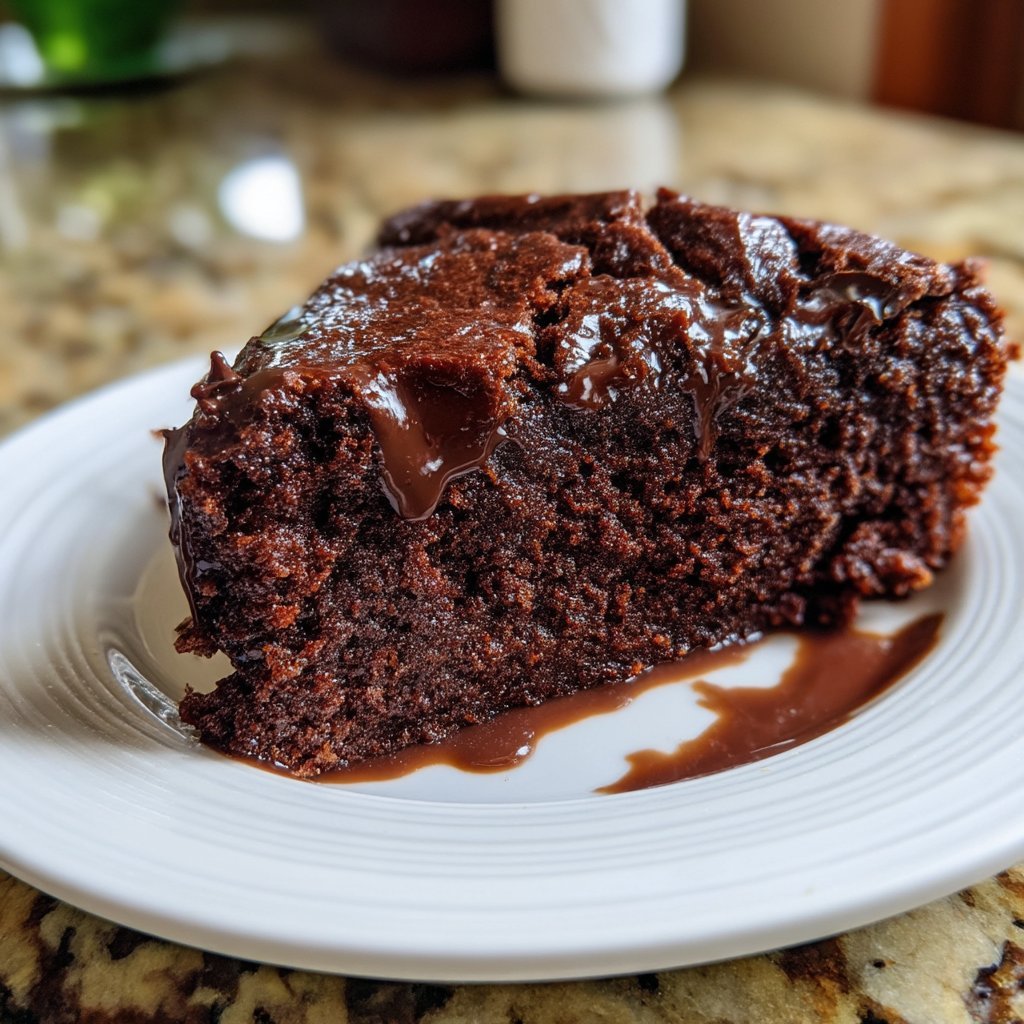
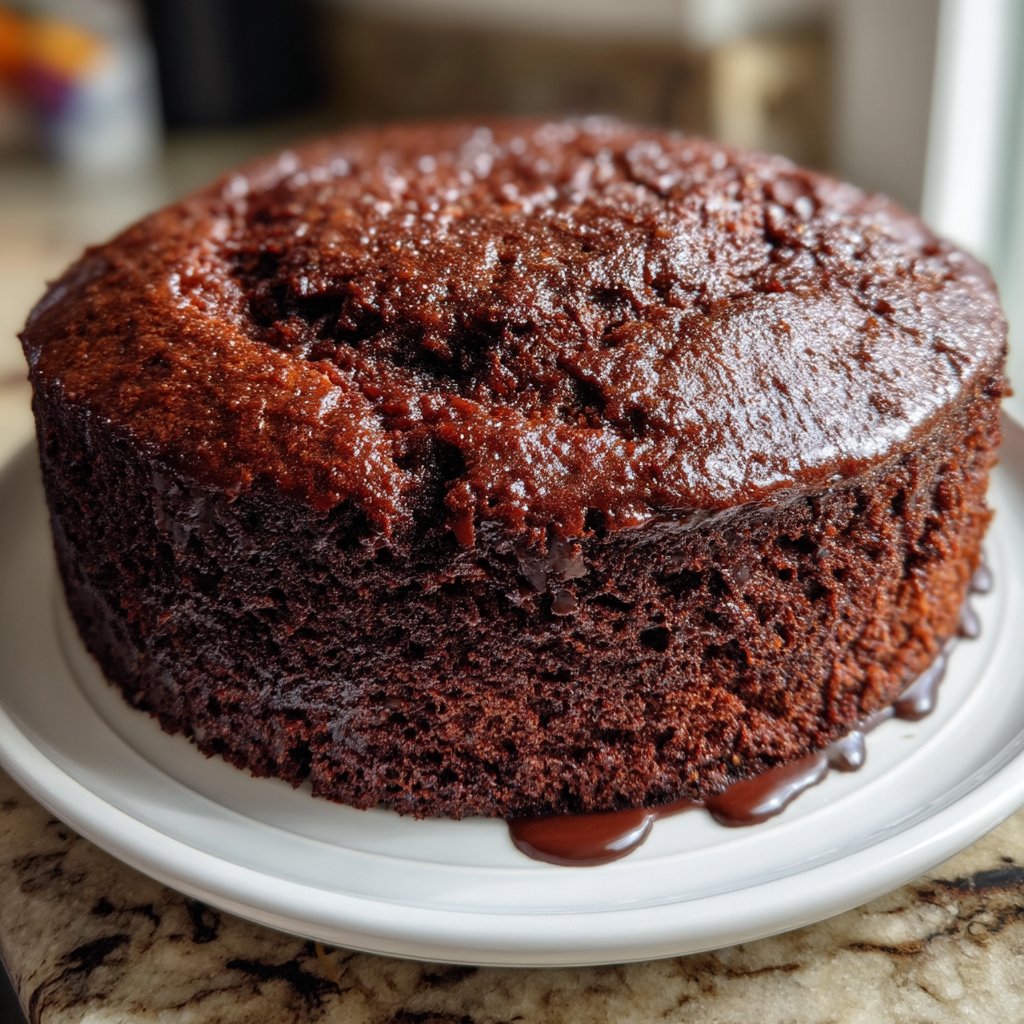
Warm, bittersweet chocolate meets a bright kiss of citrus on first bite — the crumb is tender and oily in the best way, with a gentle glide from the olive oil and a glossy, slightly sticky top that smells like a winter afternoon in the kitchen. Dark Chocolate Orange Olive Oil Cake wakes the senses: the orange zest lifts the deep cocoa, and the olive oil keeps every forkful soft, never dry.
This is the kind of comfort food that gathers a family around the table without fuss. It pairs beautifully with simple sides like a bowl of soup or a plate of roasted fruit for a potluck, and it’s forgiving enough that you can slice it warm and still have it look inviting on the dessert platter. If you want ideas for other citrus-forward quick cakes, take a peek at a citrus olive oil cake I shared earlier for inspiration: a citrus olive oil cake.
This version is simple and truly foolproof — no special equipment, no fancy folding techniques. You mix, pour, and bake, and the result feels like something you’d be proud to bring to a family gathering. A few little touches — fresh orange juice and the zest — make all the difference without adding steps. The soul of the recipe is straightforward: good chocolate, bright orange, and olive oil that keeps it comfortingly moist.
Why this recipe works
Texture is the secret here. Olive oil behaves differently from butter: it stays liquid at room temperature, which gives this cake a tender, almost silky crumb that stays moist for days. The 1/2 cup of olive oil blends with both the granulated and brown sugar to create a batter that traps just enough air when you beat the eggs, producing a cake that rises gently and keeps a fine, even texture. The unsweetened cocoa powder provides the deep chocolate backbone without weighing the cake down, because it’s balanced by the liquids — orange juice and eggs — that add structure and lift.
The cocoa and orange are classic partners. Cocoa brings bitterness and body; orange juice and zest bring acidity and aroma, which cut through that bitterness and highlight the chocolate’s complexity. The teaspoon of vanilla rounds the flavors so nothing feels sharp or one-note. Baking powder and a touch of baking soda work together: the baking powder gives steady rise while the soda helps the batter develop a light crumb by reacting with the orange juice’s acidity. Salt, though small in quantity, wakes up the chocolate and balances the sweetness from the granulated and brown sugars.
Ease of cooking matters, especially when you’re feeding a crowd. This recipe uses common pantry ingredients and a single bowl for dry and a single bowl for wet, keeping cleanup minimal. The process doesn’t require precise folding or chilling; it’s forgiving if you overmix a bit or if your orange is larger or smaller — you’ll still get a lovely cake. For readers who like to tweak textures, swapping a portion of the all-purpose flour for a small amount of finely ground almond flour will add richness without changing the method. For a slightly nutty contrast, consider a version with pistachios as a garnish; if that appeals, try the orange olive oil pistachio cake I mentioned in another post: orange olive oil pistachio cake.
This batter’s forgiving nature means you can focus on what’s satisfying: zesting the orange, smelling the warm citrus oils release, and watching the batter go from glossy to aerated. The simple chemistry of wet-to-dry ratio, gentle leavening, and the fat choice (olive oil) is what gives you a slice that’s dense enough to feel decadent yet light enough to enjoy two slices because the flavor keeps calling you back.
How to prepare Dark Chocolate Orange Olive Oil Cake
Start by measuring your ingredients and zesting the orange — that aroma is the most satisfying part. It’s a small, quick task that fills the kitchen with citrus perfume and feels like a warm invitation. The method is designed so you don’t have to fuss: whisk your dry ingredients, combine the sugars and oil until smooth, add eggs and flavorings, and fold together. The most satisfying moment comes when you pour the glossy batter into the pan and smooth the top; you’ll already know the cake will have a lovely shine and tender crumb.
Keep your steps calm and steady. Use room-temperature eggs if you can; they blend more easily and give better volume when beaten. Mix until smooth — don’t overwork the batter once you combine wet and dry mixtures. When the cake comes out of the oven, the smell will be immediate: warm chocolate with a bright citrus top note. Let it rest briefly in the pan so it firms up, then transfer to a wire rack to cool completely before slicing for clean pieces. Simple, honest, and satisfying.
Ingredients
- 1 cup all-purpose flour
- 1/2 cup unsweetened cocoa powder
- 1/2 teaspoon baking powder
- 1/4 teaspoon baking soda
- 1/4 teaspoon salt
- 1/2 cup granulated sugar
- 1/2 cup brown sugar
- 1/2 cup olive oil
- 2 large eggs
- 1 teaspoon vanilla extract
- 1/2 cup freshly squeezed orange juice
- Zest of 1 orange
Instructions
- Preheat your oven to 350°F (175°C).
- Grease an 8-inch round cake pan.
- Dust the pan with flour to prevent sticking.
- In a bowl, whisk together the flour.
- Add the cocoa powder to the flour and whisk.
- Add the baking powder to the dry mix and whisk.
- Add the baking soda and salt to the dry mix and whisk again.
- In another bowl, add the granulated sugar.
- Add the brown sugar to the sugar bowl.
- Pour the olive oil into the sugar bowl.
- Stir the sugar and oil until well combined.
- Add the eggs one at a time to the wet mixture.
- Beat well after each egg is added.
- Stir in the vanilla extract.
- Add the orange juice to the wet mixture.
- Stir in the orange zest.
- Gradually add the dry ingredients to the wet mixture.
- Stir until just combined and mix until smooth.
- Pour the batter into the prepared cake pan.
- Bake for 30 minutes.
- Check with a toothpick inserted into the center.
- If needed, bake up to 35 minutes or until the toothpick comes out clean.
- Allow the cake to cool in the pan for 10 minutes.
- Transfer the cake to a wire rack to cool completely.
Serving ideas
- Serve slices with a spoonful of vanilla ice cream.
- Offer roasted pears or warm citrus segments as a fruit side.
- Spread a thin layer of plain yogurt sweetened with honey on the side for a tangy contrast.
- For a drink pairing, a small cup of black tea or an espresso complements the chocolate and orange notes beautifully.
Storing this recipe
Store slices at room temperature, covered, for up to 2 days in a cool, dry place. If you’d rather keep it longer, wrap the cooled cake tightly in plastic wrap and place it in an airtight container in the refrigerator for up to 5 days; the olive oil helps maintain moisture so it won’t dry out quickly. For longer storage, wrap individual slices in plastic and then foil, and freeze for up to 2 months. To thaw, move slices to the refrigerator overnight, then bring to room temperature before serving. Reheat a slice gently in a 300°F oven for 8–10 minutes for a just-baked feel, or microwave for 10–15 seconds if you’re in a hurry.
Helpful tips
Keep an eye on texture and measurement. Using the correct balance of dry to wet ingredients matters more than precise mixing time. Spoon flour into your measuring cup and level it off rather than scooping directly to avoid packing. If your batter feels very stiff, a tablespoon or two of milk (or extra orange juice) can loosen it without losing structure. If it seems too thin, your oven temperature might be low; use an oven thermometer to check.
Mind the citrus. Fresh orange juice and fresh zest make the flavor pop. Zest before juicing and avoid the bitter white pith when you zest. If your orange is very large, reduce the juice slightly to keep the batter from becoming too wet. If it’s small, you can add a splash more but remember that the baking soda and baking powder are calibrated for a moderate acidity — too much juice can alter rise.
Don’t overmix once you combine wet and dry. Stir just until the streaks disappear and the batter is smooth. Overmixing can develop gluten and make the cake tougher. The goal is a tender crumb, so a light hand yields the best texture. If you’d like a glossy top, smooth the batter well before baking and resist opening the oven door in the early minutes to prevent a sudden drop in temperature.
A few more practical notes: always let the cake cool slightly before slicing so the crumb sets and you get neat slices. If you want a shiny finish, a light sugar glaze made with orange juice and powdered sugar brushed on warm will soak in and keep the cake moist. When testing doneness, the cake should spring back lightly in the center and a toothpick should come out with a few moist crumbs, not raw batter.
Recipe variations
- Make it Spicy: Add 1/2 teaspoon cinnamon and a pinch of cayenne for warmth. A little heat around the edges complements the chocolate brightness.
- Nutty Crunch: Fold in 1/2 cup toasted hazelnuts or almonds for texture. You can also sprinkle chopped nuts on top before baking for a decorative edge.
- Lighter Citrus: Substitute half the orange juice with freshly brewed coffee for a mocha twist that deepens the chocolate flavor while keeping the orange aroma.
Frequently asked questions
Q: Can I use a different oil instead of olive oil?
A: Yes, a neutral oil like sunflower or vegetable oil will work, but extra-virgin olive oil gives a characteristic fruitiness that pairs beautifully with orange and dark chocolate.
Q: How do I make this gluten-free?
A: Substitute a 1:1 gluten-free flour blend that includes xanthan gum and follow the recipe as written. The texture will be slightly different but still moist thanks to the olive oil.
Q: Can I make this in a loaf pan instead of a round pan?
A: Yes, bake in a greased loaf pan, but increase the time; check after 40–45 minutes and use a toothpick to test for doneness.
Q: Is there a way to make this less sweet?
A: Reduce the granulated sugar by 2 tablespoons and the brown sugar by 1 tablespoon to lower sweetness without sacrificing texture.
Conclusion
If you’d like a reference for a similar version, this is a lovely starting place and you can compare notes with the Food52 version: the Food52 recipe for Dark Chocolate Orange Olive Oil Cake. Try it once and you’ll find it becomes one of those recipes you reach for when you want something simple, comforting, and a little bit special.