
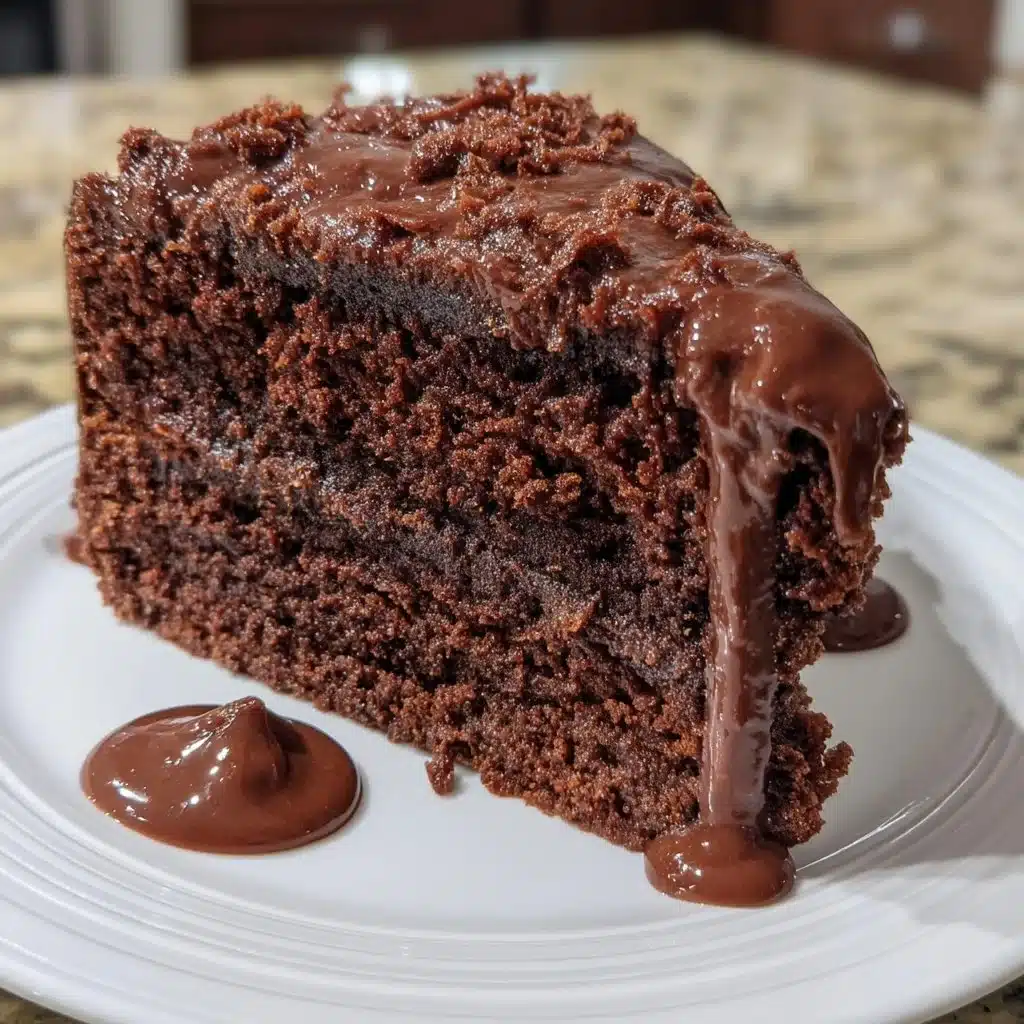
Warm chocolate aroma rises from the oven the moment you open the door, the cake’s crumb both tender and slightly dense with a creamy hint from the ricotta, and the first bite of Chocolate Ricotta Layer Cake gives a soft, moist contrast to a rich fudge buttercream that makes everyone reach for a second slice. The cocoa flavor is warm but not bitter, and the ricotta keeps each layer pleasantly silky so the fork slides through like butter.
This is the kind of classic comfort food that feels like a hug at the table. It brings together familiar flavors—chocolate and cream—in a way that feels special without being fussy, perfect for a family gathering, a birthday, or a slow Sunday afternoon with friends and tea. It pairs beautifully with simple sides like a bowl of soup or a plate of roasted fruit when you want something sweet after a cozy meal. If you want a little background on how chocolate and ricotta play so nicely together, you can read more about those combinations here: more on chocolate and ricotta combinations.
This version is simple and foolproof, made with straightforward steps and everyday ingredients. No elaborate techniques, just gentle mixing and careful folding so the batter stays light. I promise it’s forgiving: even if you swap a small amount of butter for oil, or use whole milk instead of low-fat, you’ll still get a lovely cake. The recipe is kindness in cake form—reliable, comforting, and one that will become a favorite to bring to gatherings.
Why this recipe works
The success of this cake comes down to texture and ease of cooking. The ricotta cheese is the quiet hero: it adds moisture and a soft, slightly creamy crumb without weighing the cake down like heavier creams can. When ricotta is beaten into the batter with the eggs and sugar, it helps trap small air bubbles that give the cake lift and a tender bite. The unsweetened cocoa powder deepens the chocolate flavor while keeping the crumb light; unlike melted chocolate, cocoa blends smoothly into the dry ingredients and doesn’t alter the batter’s structure.
The balance between the dry and wet ingredients is simple and forgiving. All-purpose flour provides enough structure to hold the layers without being tough. Baking powder and baking soda work together to ensure even rising; one gives a steady lift, the other reacts quickly with the ricotta and milk for an extra little rise that keeps the cake from being dense. The softened butter beaten with sugar creates a classic creamed base that gives flavor and a melt-in-your-mouth finish. Adding the wet and dry ingredients alternately keeps the batter smooth and prevents overmixing—mix until smooth, and stop.
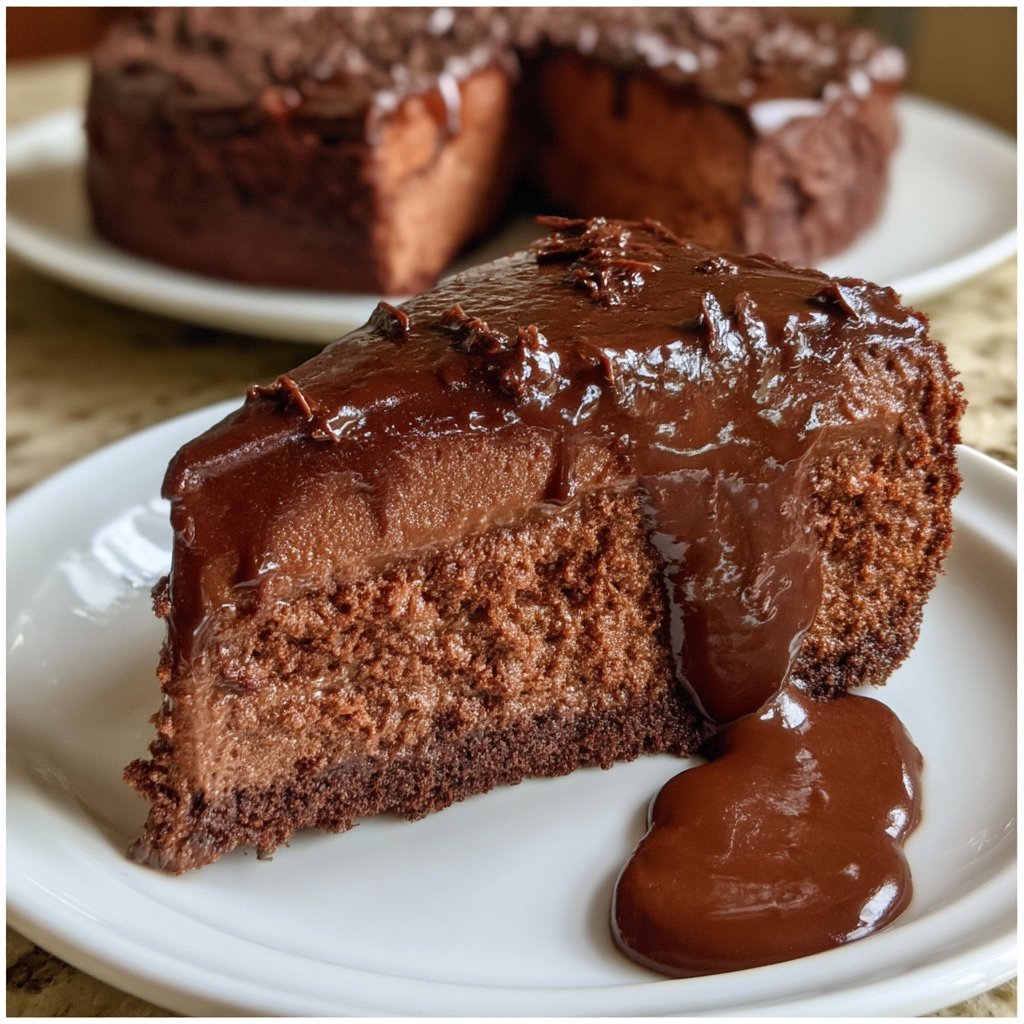
Ease of cooking matters for a family favorite. Two 9-inch pans bake evenly, and a 25–30 minute bake time is gentle enough that the cake stays moist. Frosting with a simple fudge buttercream adds richness and a glossy finish that makes the cake feel special, even if you don’t have a pastry bag handy. The method suits home kitchens: no thermometer, no special equipment—just bowls, a mixer, and a patient hand. That practical simplicity is why Chocolate Ricotta Layer Cake becomes a go-to for many households; it’s impressive without being demanding, and it rewards you with reliable results.
How to prepare Chocolate Ricotta Layer Cake
Start by gathering everything on the counter so you won’t be searching for a teaspoon while the oven heats. Having your ingredients at room temperature—especially the butter, eggs, and ricotta—helps them come together smoothly. The most satisfying part of the process is folding the ricotta into the batter: it changes the texture in a lovely way, making the mixture feel silkier and richer without being heavy. When you pour the batter into the pans, you’ll notice how beautifully it settles; that’s when you can imagine the finished layers and the first time you slice it for your family.
Mixing is straightforward: whisk the dry ingredients, cream the butter and sugar until light, add eggs, then stir in ricotta and vanilla. Alternate adding the dry mix and milk, and stop as soon as the batter looks even—mix until smooth. Splitting the batter between two pans is almost meditative: smoothing the tops and knowing the oven will do the rest. Once baked, let the cakes cool well before frosting; that wait is the hardest part, but it results in cleaner layers and a frosting that won’t melt. For another approach with a little more texture, consider trying a version with chocolate chips as a playful change: chocolate chip ricotta option.
Ingredients
- 1 3/4 cups all-purpose flour
- 1/2 cup unsweetened cocoa powder
- 1 teaspoon baking powder
- 1/2 teaspoon baking soda
- 1/4 teaspoon salt
- 1 cup sugar
- 1/2 cup unsalted butter, softened
- 2 large eggs
- 1 cup ricotta cheese
- 1 teaspoon vanilla extract
- 1/2 cup milk
Instructions
- Preheat the oven to 350°F (175°C).
- Grease and flour two 9-inch round cake pans.
- In a bowl, whisk together the flour, cocoa powder, baking powder, baking soda, and salt.
- In another bowl, beat the sugar and softened butter until light and fluffy.
- Add the eggs one at a time, mixing well after each addition.
- Mix in the ricotta cheese and vanilla extract.
- Gradually add the dry ingredients, alternating with the milk.
- Mix until smooth and just combined.
- Divide the batter evenly between the prepared pans.
- Bake for 25–30 minutes.
- Let the cakes cool completely before frosting with fudge buttercream.
Simple serving suggestions
- A scoop of vanilla ice cream complements the richness of the cake and adds a cool contrast.
- A small bowl of mixed berries or roasted stone fruit offers a bright, tart balance to the sweet frosting.
- A plate of lightly salted toasted nuts brings a crunchy texture and gentle savory note.
For drinks, a cup of strong coffee or a well-steeped black tea pairs beautifully, cutting through the sweetness and bringing out the cocoa. For those who prefer non-caffeinated options, a warm mug of herbal tea with a hint of citrus is lovely, or a glass of cold milk is a classic, kid-friendly choice.
Storing this recipe
This cake keeps well in the refrigerator for up to 4 days when covered. If you’ve frosted the whole cake, wrap it gently with plastic wrap and place it in a cake keeper or a container that allows a little headroom so the frosting isn’t squashed. For individual slices, place them in an airtight container with parchment sheets between layers.
Freezing works nicely: wrap each unfrosted layer tightly in plastic wrap, then in aluminum foil, and freeze for up to 3 months. Thaw in the refrigerator overnight before frosting. If you freeze a fully frosted cake, note that the frosting’s texture may change slightly; it’s best to freeze unfrosted layers and add fresh buttercream after thawing.
To refresh slices, let them come to room temperature for 30–60 minutes before serving. If you prefer a warm slice, heat an individual piece for about 10–15 seconds in the microwave—short bursts are better so it doesn’t dry out. For oven warming, cover with foil and heat at 300°F for 8–10 minutes.
Helpful tips
First, don’t overmix. When you combine the dry ingredients with the wet, stir only until everything comes together and looks smooth. Overworking the batter develops gluten and can make the cake tough rather than tender. A few small streaks of flour are better than a dense crumb. Mixing until smooth is the sweet spot—gentle and confident, like stirring a pot of stewed fruit.
Second, watch your oven and know your bakeware. Not all ovens bake the same, and darker pans can speed up browning. Start checking at 22 minutes by inserting a toothpick into the center; you want a few moist crumbs but not wet batter. Rotate the pans halfway through baking if your oven has hot spots, and allow the cakes to cool in the pans for 10 minutes before turning them out onto a wire rack to cool completely.
Third, work with room-temperature ingredients. Butter, eggs, and ricotta at room temperature combine more smoothly, giving a lighter batter and more even rise. If the ricotta is very lumpy, press it through a fine-mesh sieve or beat it first until creamy. This step ensures an even texture without extra effort. When frosting, chill the layers slightly so the buttercream doesn’t slide off, but allow the finished cake to sit at room temperature for about 20 minutes before slicing for the cleanest cuts.
A small bonus tip: when making the fudge buttercream, sift the cocoa and powdered sugar to avoid lumps and beat the butter first until very pale; this helps the frosting become silky with a glossy finish. Little rituals like sieving the cocoa and folding gently return every time you bake, producing reliably comforting results.
Recipe variations
- Make it nutty: Fold in 1/2 cup of toasted chopped hazelnuts or almonds for a crunchy contrast and nutty aroma.
- Make it fruity: Add a layer of raspberry jam or fresh sliced strawberries between the layers for a bright, tart counterpoint to the chocolate.
- Make it lighter: Swap half the butter for plain Greek yogurt and reduce the sugar by 1/4 cup for a tangier, slightly lighter cake.
Helpful Q and A

Q: Can I substitute whole milk with a dairy-free alternative?
A: Yes, you can use almond or oat milk in place of cow’s milk. The cake’s texture will stay moist, though the flavor may be slightly different. Use unsweetened varieties for best results.
Q: Is ricotta safe to bake with if it’s a bit watery?
A: Drain very wet ricotta in a fine sieve for 10–15 minutes or press it with a paper towel. Slightly moist ricotta is fine, but removing excess liquid gives a better crumb and prevents a runny batter.
Q: How can I prevent the layers from sliding when stacked?
A: Level the tops with a serrated knife if needed, and spread a thin crumb coat of buttercream between layers. Chill briefly to set the crumb coat, then add the final frosting layer.
Q: Can I make this cake ahead of time?
A: Absolutely. Bake the layers a day ahead, wrap them well, and store in the refrigerator. Assemble and frost the next day for the freshest presentation.
Conclusion
If you’re looking for a crowd-pleasing dessert that feels both homey and special, the Chocolate Ricotta Layer Cake is a wonderful choice, and there’s a classic version online that inspired many home bakers: Chocolate Ricotta Layer Cake – Baker by Nature. Enjoy baking it for the women and families gathered around your table—this cake is the kind of recipe that brings people together with simple, familiar flavors.
Print
Chocolate Ricotta Layer Cake
- Total Time: 50 minutes
- Yield: 8 servings
- Diet: Vegetarian
Description
A rich and comforting layer cake made with chocolate and ricotta, featuring a creamy fudge buttercream.
Ingredients
- 1 3/4 cups all-purpose flour
- 1/2 cup unsweetened cocoa powder
- 1 teaspoon baking powder
- 1/2 teaspoon baking soda
- 1/4 teaspoon salt
- 1 cup sugar
- 1/2 cup unsalted butter, softened
- 2 large eggs
- 1 cup ricotta cheese
- 1 teaspoon vanilla extract
- 1/2 cup milk
Instructions
- Preheat the oven to 350°F (175°C).
- Grease and flour two 9-inch round cake pans.
- In a bowl, whisk together the flour, cocoa powder, baking powder, baking soda, and salt.
- In another bowl, beat the sugar and softened butter until light and fluffy.
- Add the eggs one at a time, mixing well after each addition.
- Mix in the ricotta cheese and vanilla extract.
- Gradually add the dry ingredients, alternating with the milk.
- Mix until smooth and just combined.
- Divide the batter evenly between the prepared pans.
- Bake for 25–30 minutes.
- Let the cakes cool completely before frosting with fudge buttercream.
Notes
For different variations, consider adding nuts or fruits between the layers.
- Prep Time: 20 minutes
- Cook Time: 30 minutes
- Category: Dessert
- Method: Baking
- Cuisine: Italian