
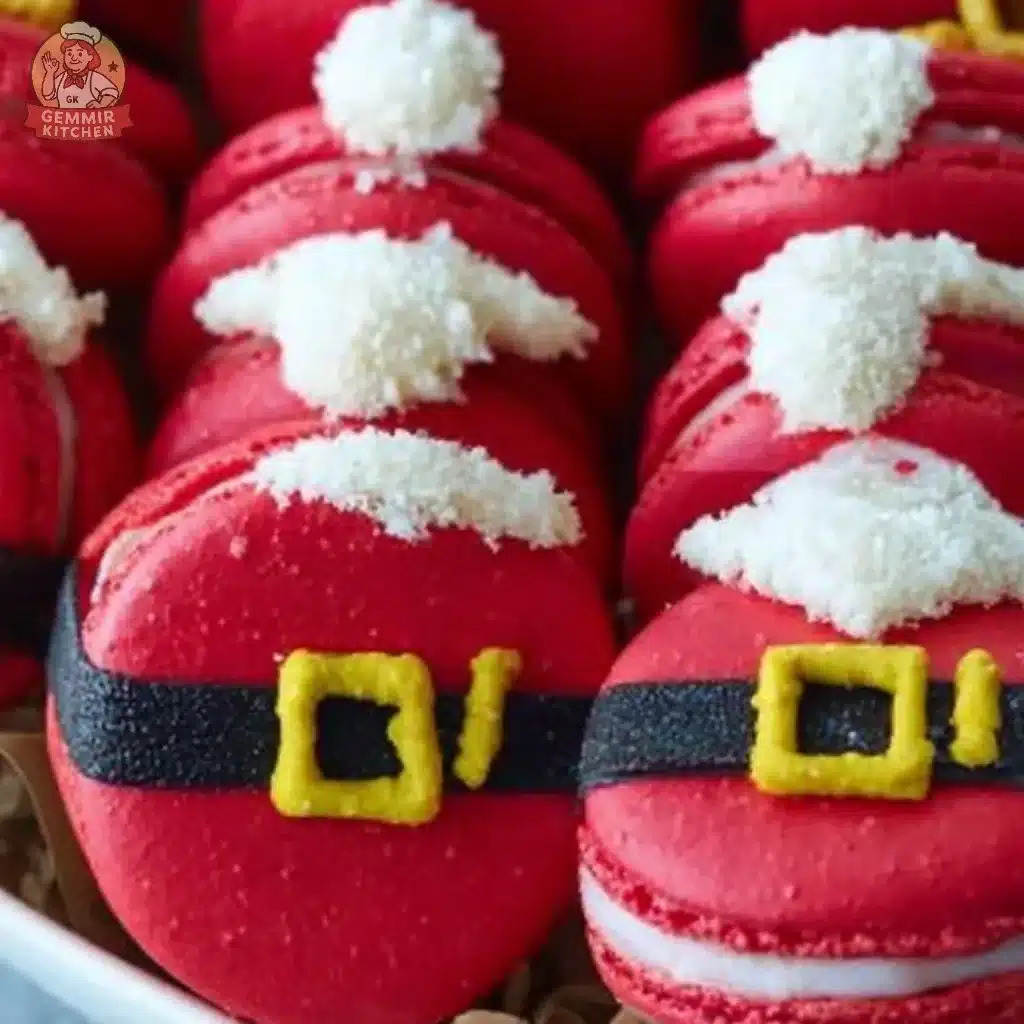
A whiff of almond and vanilla always takes me back to a small kitchen table, where a flour-dusted church cookbook lived next to a chipped mixing bowl. I remember sticky fingertips helping to pipe cookies, the hush of concentration, the pride when a batch came out just right. These Santa Claus Macarons feel like that kind of memory festive, a little fussy, and totally worth the smile they bring.
I’m a home cook from Louisville, Kentucky, who learned to cook from the women at my church and from evenings spent at my mother’s elbow. I write and teach in a voice that’s warm, honest, and practical. I test recipes in real weeknight kitchens and keep things family-friendly and pork-free. I like casseroles and skillet dinners, slow-cooker comfort and the type of dessert you can make with kids or for a holiday crowd. My approach favors simple steps and clear explanations so you can make cozy flavors without stress. I still reach for old church cookbooks and the same patient lessons my mom gave me stir, taste, adjust, and share.
These Santa Claus Macarons are a holiday project that rewards patience. They pair crisp, delicate shells with a sweet buttercream and a touch of coconut for snowy texture. You’ll find the steps doable if you read through, prepare your station, and move steadily. I’ll walk you through tips that help the shells come out with smooth tops and those beloved ruffled feet, plus easy decorating ideas that don’t require professional baker skills. Whether you make a dozen or a whole platter for a party, these Santa Claus Macarons capture the season’s charm in bite-sized form and keep with a home-cook spirit: straightforward, welcoming, and made to share.
Table of Contents
Table of Contents
Why this recipe works
Santa Claus Macarons work because they balance a few simple things: the right almond texture, stable meringue, and a forgiving decorating plan. The almond flour and powdered sugar get sifted and folded with care so the shells stay tender, while properly whipped egg whites give the cookies structure. The recipe tolerates slight variations in humidity and oven behavior if you understand the basic signs glossy peaks, the flow of the batter, and the dry skin on piped rounds before baking. That makes Santa Claus Macarons a realistic holiday bake for a home kitchen, not just a bakery.
I like to think of these as part craft and part comfort. The shells look fancy, but they begin with pantry staples and straightforward technique. When the batter flows like thick lava and settles into a smooth circle after piping, you’ll know you’re close. Resting the piped shells until they form a matte skin prevents cracking and invites those pretty ruffled feet when they bake. The filling a vanilla-scented buttercream with a hint of almond and a sprinkle of shredded coconut keeps things approachable and familiar. You don’t need elaborate sugar art to deliver holiday cheer; a bit of royal icing and simple piping transforms these into little Santas the family will love.
If you’re nervous, start small. Make a practice sheet, focus on temperature control and timing, and use these steps as a guide. I include tips on how to measure, how to watch the meringue, and how to judge doneness so your Santa Claus Macarons come out predictable and delicious. The recipe highlights method over gimmick, and that’s why it works in a real kitchen.
How to prepare Santa Claus Macarons
Ingredients :
100 grams Domino® Golden Sugar, 4 grams egg white powder (optional, read notes), 100 grams egg whites, 105 grams almond flour, 105 grams Domino® Powdered Sugar, 1 1/2 cups Domino® Powdered Sugar (187 grams), 1 tbsp meringue powder, 4 tbsp water, 2 drops black gel food coloring, 1 drop yellow gel food coloring, 1/2 cup all-purpose flour (63 grams), 1/2 cup unsalted butter (113 grams), 1/4 cup Domino® Golden Sugar (50 grams), 1 1/4 cup Domino® Powdered Sugar (156 grams), 1 tsp vanilla extract, 1/8 tsp almond extract, 1/2 tbsp milk or heavy cream, 1/4 cup desiccated coconut (shredded (50 grams))
Directions :
Macaron Shells, Royal Icing, Decorate the shells, Sugar Cookie Buttercream, Fill the Shells
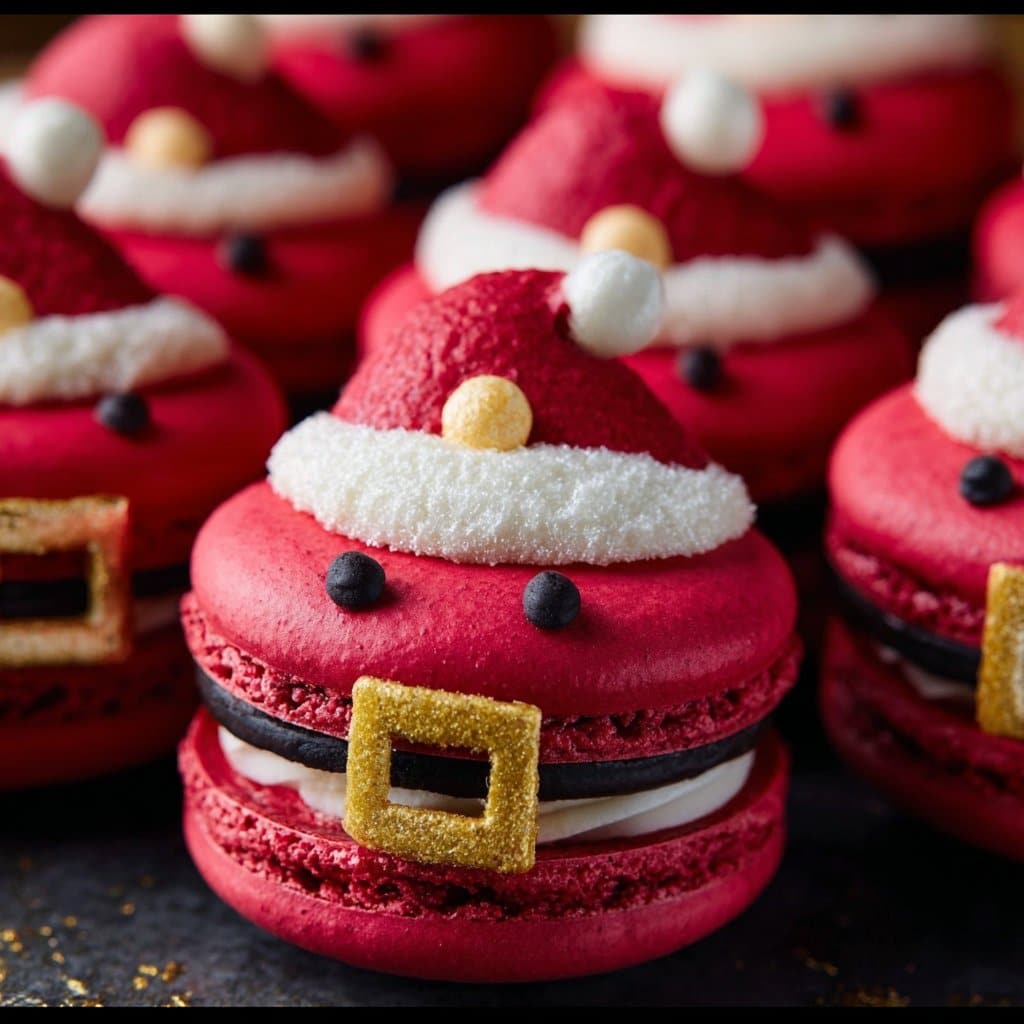
This section combines the ingredient list with step-by-step technique so you can make Santa Claus Macarons from start to finish. Begin by weighing ingredients precisely macaron success depends on accurate measurement. Sift almond flour with the powdered sugar at least twice to remove lumps and aerate the mix.
For the meringue, use room-temperature egg whites and add the egg white powder if your whites won’t whip reliably; it strengthens the foam. Beat the whites with the golden sugar until you reach glossy stiff peaks. Fold the dry mix into the meringue in thirds, using a spatula and practicing a gentle, circular folding motion. Aim for a batter that runs slowly off the spatula and settles into a smooth top within 10 seconds that’s the “macaronnage” stage.
Line baking sheets with silicone mats or parchment and pipe rounds about 1 1/2 inches wide. Tap the tray gently to release any trapped air, then let the piped rounds rest at room temperature until they form a matte skin usually 30 to 60 minutes depending on humidity. When you can lightly touch the surface without batter sticking, they’re ready to bake. Bake at a moderate temperature so shells rise and form feet without browning. Rotate the pans during the bake if your oven has hot spots.
While shells cool, make the buttercream filling: cream butter and golden sugar, add powdered sugar, vanilla, almond extract, and milk to reach a pipeable consistency. Fold in desiccated coconut for a snowy texture in some of the filling if you like. Prepare small amounts of royal icing for faces and trim with a tiny bit of food coloring for eyes and cheeks. Assemble Santa Claus Macarons by piping a generous dollop of buttercream onto one shell and sandwiching with another. Decorate with royal icing hats and coconut trim to give them character. These practical steps keep the process clear and achievable in a home kitchen.
Serving ideas
Santa Claus Macarons look lovely on a holiday platter and taste even better when served with a cup of warm drink. For a cozy family gathering, arrange a mix of Santa Claus Macarons with plain almond-flavored shells on a tiered plate. The contrast of colors and textures invites curiosity and keeps the platter interesting. These macarons pair well with hot cocoa, milky coffee, or lightly spiced tea. A small plate with three Santa Claus Macarons makes a delightful hostess gift when you deliver holiday treats next door or bring a plate to a potluck.
Think about presentation that’s simple and homey. A bed of shredded coconut can mimic snow and double as a little cushion to keep decorated faces from smudging. If you package Santa Claus Macarons for gifting, place them in shallow boxes in a single layer and tuck in paper doilies or wax paper between layers to protect the decoration. For a dessert table, stagger colors and heights: line a few Santa Claus Macarons around a centerpiece or nestle them in little paper cups. If you serve them at a party, offer small tongs so guests can pick without touching the whole platter.
When serving to children, set out napkins and a small plate per child, and encourage gentle handling so the delicate shells don’t break. For adult guests, a small sign with flavor notes salted vanilla buttercream, coconut trim helps folks with allergies or preferences. Santa Claus Macarons make a charming finale to a holiday dinner or a sweet addition to a cookie swap, and thoughtful presentation underscores the homemade care behind them.
How to keep leftovers
Santa Claus Macarons keep best when you treat them gently and store them right away. After you assemble the macarons, place them in an airtight container in a single layer or with parchment between layers. Refrigerate for up to three days; the shells will soften slightly and the flavors meld, giving you an even creamier bite. If you plan to keep Santa Claus Macarons longer, freeze them on a tray until solid, then transfer to a sealed freezer-safe container. They’ll hold for up to one month in the freezer and thaw in the refrigerator overnight before serving.
Avoid leaving Santa Claus Macarons at room temperature for long periods, especially if your filling contains butter or cream. Warm environments cause the filling to soften and the shells to lose their crisp edge. When you bring refrigerated macarons to room temperature for serving, give them 20 to 30 minutes so the filling warms and the texture balances. That short wait makes a big difference in flavor and mouthfeel.
If you need to refresh slightly stale shells, let them sit at room temperature with a small piece of apple or a dampened paper towel in a separate container to add moisture for a short time not touching the macarons directly. This trick can revive drier shells, but it’s not a substitute for proper storage. Keep Santa Claus Macarons in cool, stable conditions and they’ll stay attractive and tasty for gift-giving or unexpected guests.
Helpful tips
A few small habits improve your results with Santa Claus Macarons. First, weigh everything. Dry measurements and volume can mislead; grams keep you consistent. Second, don’t rush the meringue. Whip to glossy peaks and test stability by tipping the bowl slightly; a good meringue clings without sliding. Third, practice piping. Use a circular steady motion and keep each round the same size to ensure even baking. If bubbles rise when you pipe, tap the tray firmly on the counter a couple of times and gently pop any large air pockets with a toothpick.
Mind your oven. Home ovens vary, so use an oven thermometer if you can. If your shells brown too quickly, lower the temperature by 10 to 15 degrees and lengthen the bake. If they don’t form feet, check your skin time and meringue stiffness. A humid day calls for a longer rest to form a proper skin before baking. For color control when decorating Santa Claus Macarons, gel colors go farther than liquid food dye; two drops usually paint a bright hat or eye detail without thinning royal icing.
Finally, assemble the day before you serve when possible. Santa Claus Macarons often taste better after a short rest in the refrigerator, where the buttercream softens into the shell. Just be sure to keep decorations delicate and boxed safely so they travel well. These little pointers make the process less fussy and more joyful.
Recipe variations
You can change flavors and finishes to make Santa Claus Macarons your own. Swap almond flour for finely ground toasted almonds (sifted) for a nuttier note, or add a teaspoon of cocoa powder to the dry mix for chocolate shells that still pipe and bake well. For fillings, try raspberry jam paired with vanilla buttercream for a sweet-tart contrast, or lemon curd folded into a light cream cheese buttercream for a bright, zingy option. Coconut in the filling nods to snowy decoration and pairs well with a white chocolate buttercream.
If you want to skip detailed piping, make simpler Santa Claus Macarons by tinting one shell red and the other white, then use small amounts of royal icing to dot on a hat and beard. You can also use pre-made fondant shapes for eyes and buttons if you prefer less freehand work. For a gluten-free holiday table, these Santa Claus Macarons already fit just double-check any added flavorings or fillings.
Texture tweaks matter: a bit more powdered sugar in the meringue mixture yields slightly denser shells, while a looser macaronnage creates thinner shells. Adjust gently and keep notes. Small shifts produce delightful variations and help you tailor Santa Claus Macarons to your family’s favorite flavors.
Helpful Q and A
Q: How do I know when my Santa Claus Macarons are ready to pipe?
A: You’ll know the batter is ready when it flows in a smooth ribbon from the spatula and settles back into the surface within about 10 seconds. The texture should be like thick lava not runny, not stiff. If it’s too stiff, give a few more gentle folds; if it’s too runny, stop folding and let the batter rest briefly before piping.
Q: Why do some macarons crack or have no feet?
A: Cracking often happens when the shell doesn’t form a proper skin before baking or if the oven temperature is too high. No feet usually means the meringue wasn’t whipped enough, your macaronnage was too rough (overmixed) or the shells weren’t rested long enough. Check your meringue peaks, rest the piped shells until a matte skin forms, and bake at a steady moderate temperature.
Q: Can I make Santa Claus Macarons without almond flour?
A: Almond flour is essential for that classic macaron texture and flavor. If you have an allergy or need an alternative, look for a tested macaron recipe that uses a different nut or substitute. Do not simply swap all-purpose flour the result will be very different. For a coconut-based cookie, use recipes designed for coconut macaroons rather than trying to alter this macaron formula.
Q: What’s the best way to color decorations without making the icing runny?
A: Use gel food coloring sparingly. A little gel goes a long way and won’t thin royal icing. Stir colors in slowly and test on parchment. If your royal icing thins, add a touch more powdered sugar to bring it back to piping consistency.
Conclusion
If you want a visual reference or an alternate version while you bake, this write-up pairs well with the original inspiration and step photos at Santa Claus Macarons – Pies and Tacos. Enjoy making these Santa Claus Macarons they’re a sweet little project that brings a lot of holiday cheer.
Print
Santa Claus Macarons
- Total Time: 80 minutes
- Yield: 24 macarons
- Diet: Vegetarian
Description
Festive Santa Claus Macarons with delicate almond shells filled with sweet buttercream and shredded coconut, perfect for holiday celebrations.
Ingredients
- 100 grams Domino® Golden Sugar
- 4 grams egg white powder (optional)
- 100 grams egg whites
- 105 grams almond flour
- 105 grams Domino® Powdered Sugar
- 1 1/2 cups (187 grams) Domino® Powdered Sugar
- 1 tbsp meringue powder
- 4 tbsp water
- 2 drops black gel food coloring
- 1 drop yellow gel food coloring
- 1/2 cup (63 grams) all-purpose flour
- 1/2 cup (113 grams) unsalted butter
- 1/4 cup (50 grams) Domino® Golden Sugar
- 1 1/4 cup (156 grams) Domino® Powdered Sugar
- 1 tsp vanilla extract
- 1/8 tsp almond extract
- 1/2 tbsp milk or heavy cream
- 1/4 cup (50 grams) desiccated coconut (shredded)
Instructions
- Prepare and weigh all ingredients precisely.
- Sift almond flour with powdered sugar at least twice to aerate.
- Beat egg whites with golden sugar until glossy stiff peaks form.
- Fold the dry mix into meringue in thirds until batter runs slowly off the spatula.
- Line baking sheets with silicone mats and pipe rounds about 1 1/2 inches wide.
- Let piped rounds rest until they form a matte skin (30 to 60 minutes).
- Bake at a moderate temperature until shells rise without browning.
- While shells cool, cream butter and golden sugar for the buttercream filling.
- Add powdered sugar, vanilla, almond extract, and milk; fold in desiccated coconut.
- Assemble macarons by piping buttercream onto one shell and sandwiching with another.
- Decorate with royal icing as desired.
Notes
Use room-temperature egg whites for better meringue stability. Proper resting of piped shells is key for smooth tops and feet.
- Prep Time: 60 minutes
- Cook Time: 20 minutes
- Category: Dessert
- Method: Baking
- Cuisine: French