
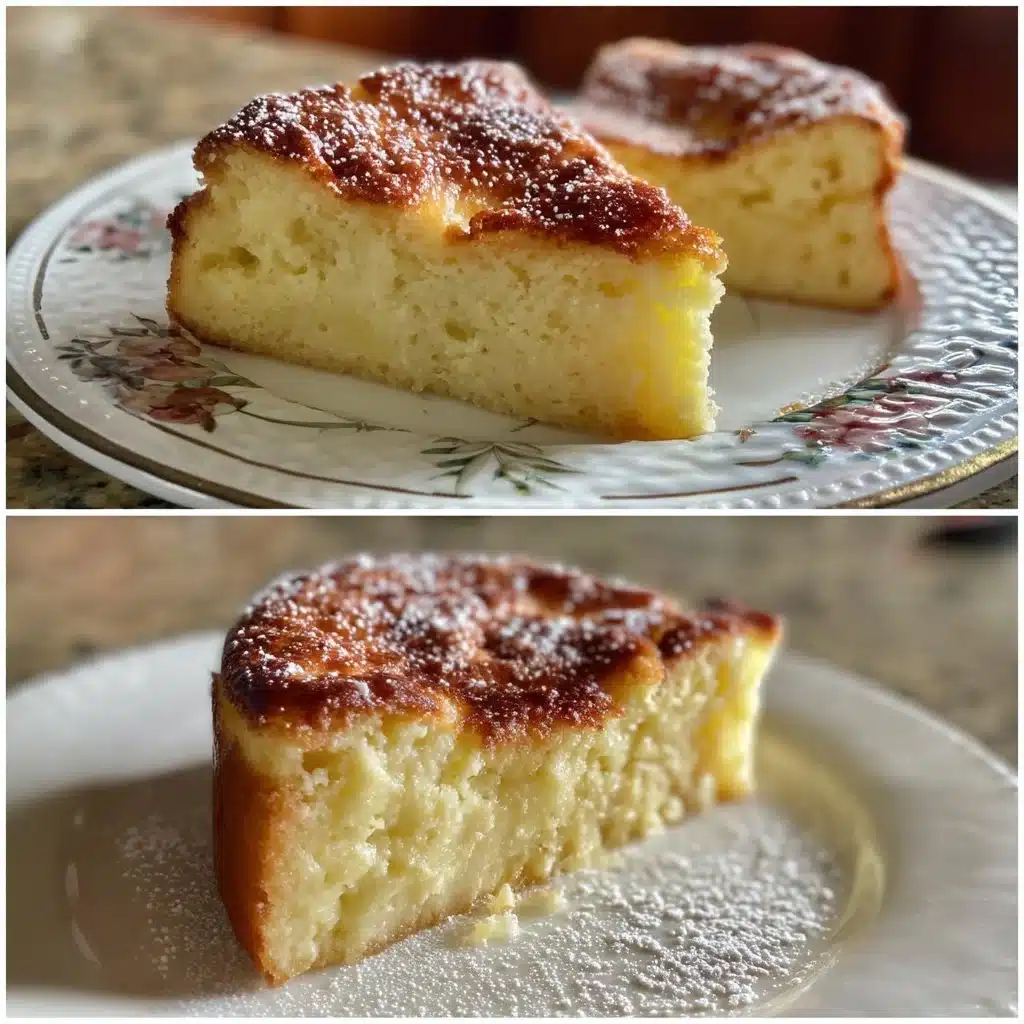
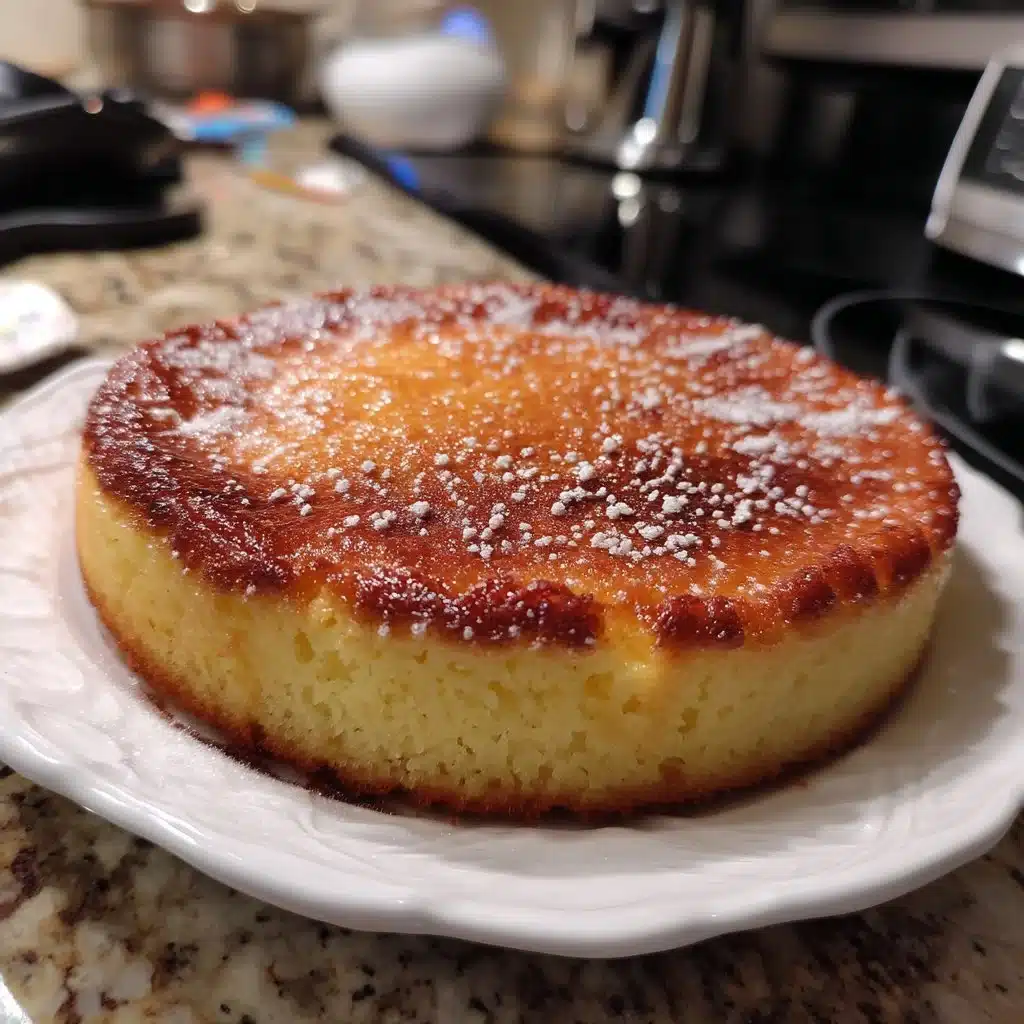
The first bite gives you warm, custardy vanilla that melts on the tongue, followed by a whisper of toasty nutmeg on the finish; the Old-Fashioned Custard Cake with Nutmeg Sugar is light and tender, with a very fine crumb that soaks up a dusting of powdered sugar and keeps your memory of grandmother’s kitchen alive. Steam and spice lift from the pan as it comes out of the oven, and the crust is just a touch golden not heavy, but reassuring. The texture is somewhere between a soft cake and a delicate baked custard: it yields easily to a fork but still holds together in a slice, and the surface crackles just enough to show you it’s been baked with patience.
This is the kind of classic comfort food that gathers people to the table. It’s simple enough to make after a day full of errands, yet special enough for Sunday supper when kids, grown and otherwise, drift back home. A single pan will feed a crowd without fuss; serve a warm slice alongside a bowl of soup or a small plate of seasonal fruit and you’ve made something that feels like an embrace. It’s the sort of dessert that invites conversation friends linger over coffee and a second piece and it pairs beautifully with familiar kitchen habits, like brewing tea and folding dish towels while the house smells of vanilla and nutmeg. If you want a companion dessert that’s not too sweet and not too formal, this is the one. You might also enjoy the bright lift of a citrus companion such as a citrus almond cake if you’re serving a larger dessert spread.
This version is truly foolproof the method is forgiving, and the ingredient list is plain and kind. Even if you don’t bake every week, you’ll find the steps easy to follow and the results steady. The rhythm of creaming butter and sugar, beating in eggs, and gently folding dry ingredients into milk is comforting; there’s no tempering or separation to worry about. With a simple dusting of powdered sugar, the finished cake looks like you spent all morning on it when you only spent an afternoon. It’s a cake that encourages you to sit down with a friend, to pass slices around at family gatherings, and to keep a pan in the fridge for a cozy midnight nibble.
Why this recipe works
What makes this dessert so reliable is the balance of its ingredients and the gentle approach to mixing. The butter and sugar, when creamed together, trap tiny air bubbles that help give the cake a light lift. Eggs add structure and richness; their proteins set during baking and create that custard-like interior that gives the cake its name. Milk keeps the crumb tender and moist. The flour and baking powder provide just enough backbone to hold the slice together without making it dense. A small pinch of salt brightens the flavors and keeps the sweetness from feeling flat, while the ground nutmeg offers aromatic warmth that complements vanilla rather than overpowering it.
Texture is the star here: the goal is a delicate crumb with a slightly custardy mouthfeel. That’s why the mixing is relaxed you want to avoid overworking the batter, which can develop too much gluten and make the cake tough. The egg-to-milk ratio is designed to produce a batter thin enough to spread and settle into a smooth surface, yet rich enough to set with that tender bite. Nutmeg sugar sprinkled on top before or after baking adds a tiny crunch and an extra layer of scent; that granular sugar against the soft cake gives you contrast in each bite.
Ease of cooking comes from straightforward steps and common pantry ingredients. There’s no separating of eggs, no folding in whipped whites, and no stovetop cooking. The baking window is forgiving; a toothpick test will guide you to doneness, and the cake keeps its texture even if left to cool fully before slicing. For those who like to plan, the batter can be prepared and popped into the oven while you set the table, and leftovers keep well. Small touches like creaming the butter until it’s pale and smooth or sifting the flour and baking powder together make the result consistent without adding stress. Altogether, these choices keep the process calm and the reward certain.
How to prepare Old-Fashioned Custard Cake with Nutmeg Sugar
There’s a simple cadence to this cake that makes the work feel like a quiet ritual. Start by warming the oven and preparing your pan so you’re ready to pour the batter at the right moment. Creaming the butter and sugar is one of the most satisfying parts; you’ll watch the color turn pale and the texture go silky. When you add eggs, beat them in one at a time and pause to scrape down the bowl so everything blends evenly. The most satisfying part is when you alternate the dry ingredients with the milk watching loose batter become smooth and glossy is oddly calming.
Be gentle when you fold the flour mixture into the batter. You want everything just combined; a few streaks of flour are fine, but aim to mix until smooth. Pouring the batter into the prepared pan and seeing it level itself before baking is another small joy. While it bakes, the kitchen fills with a comforting aroma that tells you good things are happening. Once out of the oven, let the cake rest briefly in the pan before turning it out so it keeps its shape. Dust with powdered sugar and sprinkle a little extra nutmeg if you like a stronger spice note. It’s all straightforward steps that reward steady hands and a patient spirit.
Ingredients
- 1 cup sugar
- 1/2 cup unsalted butter, softened
- 2 cups milk
- 4 large eggs
- 2 teaspoons vanilla extract
- 1 cup all-purpose flour
- 1 teaspoon baking powder
- 1/4 teaspoon salt
- 1 tablespoon ground nutmeg
- Powdered sugar for dusting
Instructions
- Preheat the oven to 350°F (175°C).
- Grease and flour a 9-inch round cake pan.
- In a mixing bowl, cream together the sugar and butter until smooth.
- Beat in the eggs one at a time.
- Stir in the vanilla extract.
- In another bowl, whisk together the flour, baking powder, salt, and nutmeg.
- Gradually add the dry ingredients to the wet ingredients, alternating with the milk.
- Mix until just combined.
- Pour the batter into the prepared cake pan.
- Bake for 30-35 minutes.
- A toothpick inserted into the center should come out clean.
- Allow the cake to cool in the pan for a few minutes.
- Turn out onto a wire rack to cool completely.
- Dust with powdered sugar before serving.
Serving ideas
This cake is lovely on its own, but here are a few warm-hearted pairings to try:
- A bowl of fresh fruit compote berries or stewed apples are especially nice.
- A scoop of vanilla or caramel ice cream for an indulgent contrast.
- A small green salad with a light vinaigrette to make the dessert part of a simple supper.
For drinks, a pot of hot tea or a strong, milky coffee is a classic match. If you’d like something chilled, a lightly sweetened iced tea or a sparkling apple beverage complements the nutmeg without adding heaviness. When guests arrive, serve slices on simple plates and pour drinks right away the ease of this cake makes hosting feel effortless.
Storing this recipe
Store slices wrapped tightly in plastic wrap or in an airtight container in the refrigerator. The cake will keep well for 3 to 4 days chilled; the texture softens but stays pleasant. To freeze, wrap individual slices in parchment and then in foil, or place whole, well-wrapped cake in a freezer-safe container. Frozen slices keep for up to 2 months. Thaw in the refrigerator overnight before serving.
To reheat, bring slices to room temperature or warm gently in a low oven (about 300°F / 150°C) for 8–10 minutes. A microwave on low for 10–15 seconds per slice will also revive softness, but be careful not to overheat, which can change the texture. If you’d like a slightly crisp top after reheating, a quick 1–2 minute broil will caramelize the sugar lightly watch it closely.
Helpful tips
Tip 1: Measure carefully and keep ingredients at the right temperature. Use level measuring cups for flour and sugar. The butter should be softened but not melted; if it’s too soft, the batter will be greasy and won’t trap the right amount of air. Eggs at room temperature blend more evenly, so take them out of the fridge a bit before you start.
Tip 2: Don’t overmix once the flour is in. Overworking the batter is the most common mistake when making a cake with a custardy interior. Mix just until the last streaks of flour disappear mix until smooth, but stop when it’s evenly combined. A few tiny lumps won’t hurt, and it’s better to err on the side of under-mixing than overworking the batter.
Tip 3: Watch the oven and test for doneness the gentle way. Oven temperatures vary, so begin checking a few minutes before the lower end of the time window. Insert a toothpick near the center; it should come out with a few moist crumbs or clean. If it’s too wet, give it a few more minutes. Leaving the cake in the pan for a short rest before turning it out helps it hold together; if you try to unmold it too soon, it can break.
Extra calming practices: whisk dry ingredients together to ensure even leavening, and scrape the mixing bowl between additions so everything is uniform. If you love the scent of nutmeg, sprinkle a little extra on top after dusting with powdered sugar for a brighter aroma. Above all, work at a relaxed pace the cake rewards care, not speed.
Recipe variations
- Make it spiced: Increase the nutmeg slightly and add a half teaspoon of ground cinnamon for a cozy, autumnal version.
- Add citrus brightness: Fold in a teaspoon of lemon or orange zest to the batter for a light, floral lift. Top with a thin citrus glaze if you want a little shine.
- Turn it into a layered treat: Slice the cooled cake horizontally and spread a thin layer of jam or pastry cream between layers for a simple layer cake that still feels classic.
Frequently asked questions
Q: Can I use a different milk, like almond or oat milk?
A: Yes, you can substitute plant-based milks in equal measure, but be aware the texture and slight sweetness may vary. Use unsweetened versions if you don’t want extra sweetness.
Q: Why did my cake come out dense?
A: The most common causes are overmixing the batter after adding flour, using cold eggs, or measuring flour too aggressively. Follow the mixing guidance and check ingredient temperatures.
Q: Can I make this in a square pan or muffin tins?
A: Yes. A square pan may need slightly less baking time; muffins will bake faster. Start checking 5–10 minutes early and use the toothpick test.
Q: Is it okay to skip the nutmeg?
A: You can omit it, but nutmeg lends the characteristic warm note. If you skip it, consider a tiny pinch of cinnamon or cardamom to keep some aromatic depth.
Conclusion
This Old-Fashioned Custard Cake with Nutmeg Sugar is the kind of dessert that makes you slow down and smile an easy, comforting slice that tastes like home. For a related take on baked custard, you might enjoy this Old-Fashioned Custard Pie on Love Bakes Good Cakes as further inspiration. Remember, the easiest recipes are often the most beloved, and this Old-Fashioned Custard Cake with Nutmeg Sugar will be one you reach for again and again.
PrintOld-Fashioned Custard Cake with Nutmeg Sugar
- Total Time: 50 minutes
- Yield: 8 servings
- Diet: Vegetarian
Description
A comforting custard cake that blends the warmth of vanilla and nutmeg, perfect for gathering around the table.
Ingredients
- 1 cup sugar
- 1/2 cup unsalted butter, softened
- 2 cups milk
- 4 large eggs
- 2 teaspoons vanilla extract
- 1 cup all-purpose flour
- 1 teaspoon baking powder
- 1/4 teaspoon salt
- 1 tablespoon ground nutmeg
- Powdered sugar for dusting
Instructions
- Preheat the oven to 350°F (175°C).
- Grease and flour a 9-inch round cake pan.
- Cream together the sugar and butter until smooth.
- Beat in the eggs one at a time.
- Stir in the vanilla extract.
- Whisk together the flour, baking powder, salt, and nutmeg in another bowl.
- Gradually add the dry ingredients to the wet ingredients, alternating with the milk.
- Mix until just combined.
- Pour the batter into the prepared cake pan.
- Bake for 30-35 minutes.
- Allow the cake to cool in the pan for a few minutes.
- Turn out onto a wire rack to cool completely.
- Dust with powdered sugar before serving.
Notes
Pairs beautifully with fresh fruit or a scoop of ice cream. Store wrapped in plastic for 3-4 days or freeze for longer storage.
- Prep Time: 15 minutes
- Cook Time: 35 minutes
- Category: Dessert
- Method: Baking
- Cuisine: American