
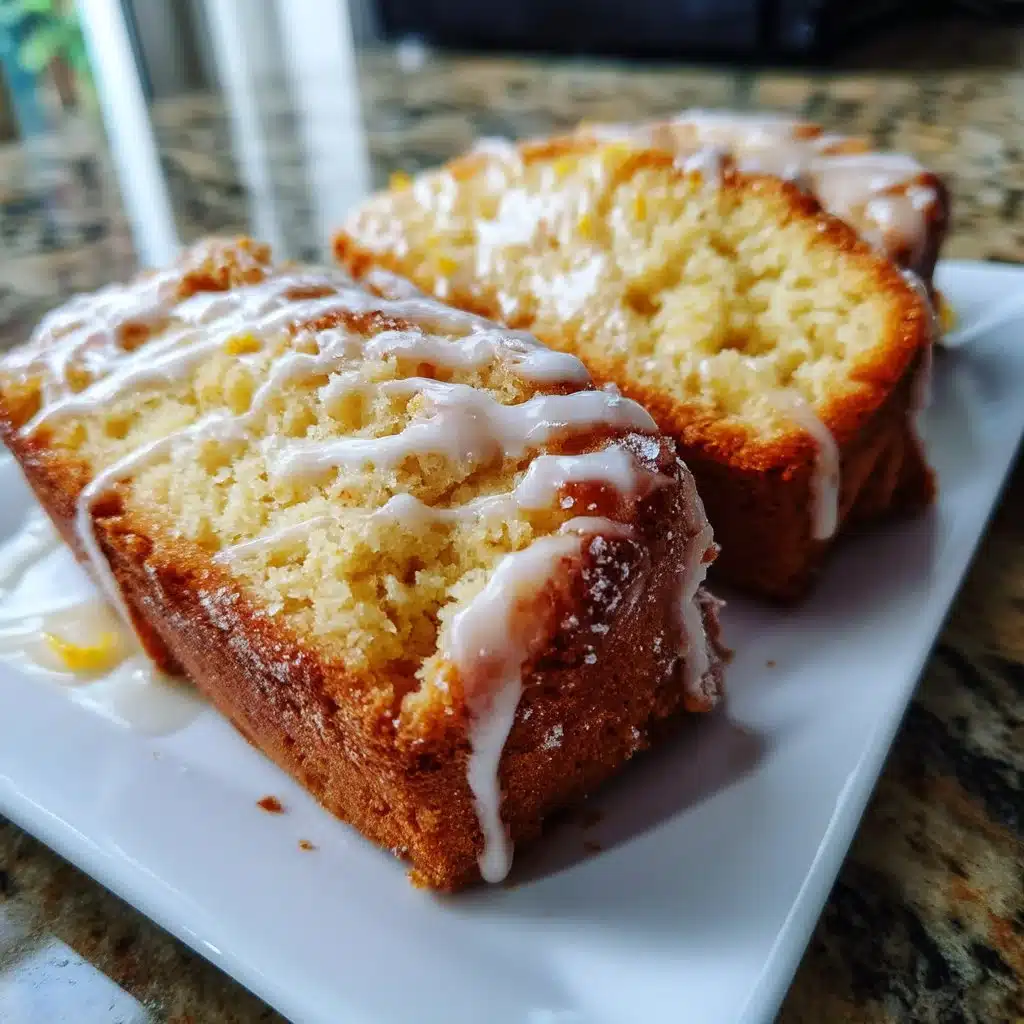
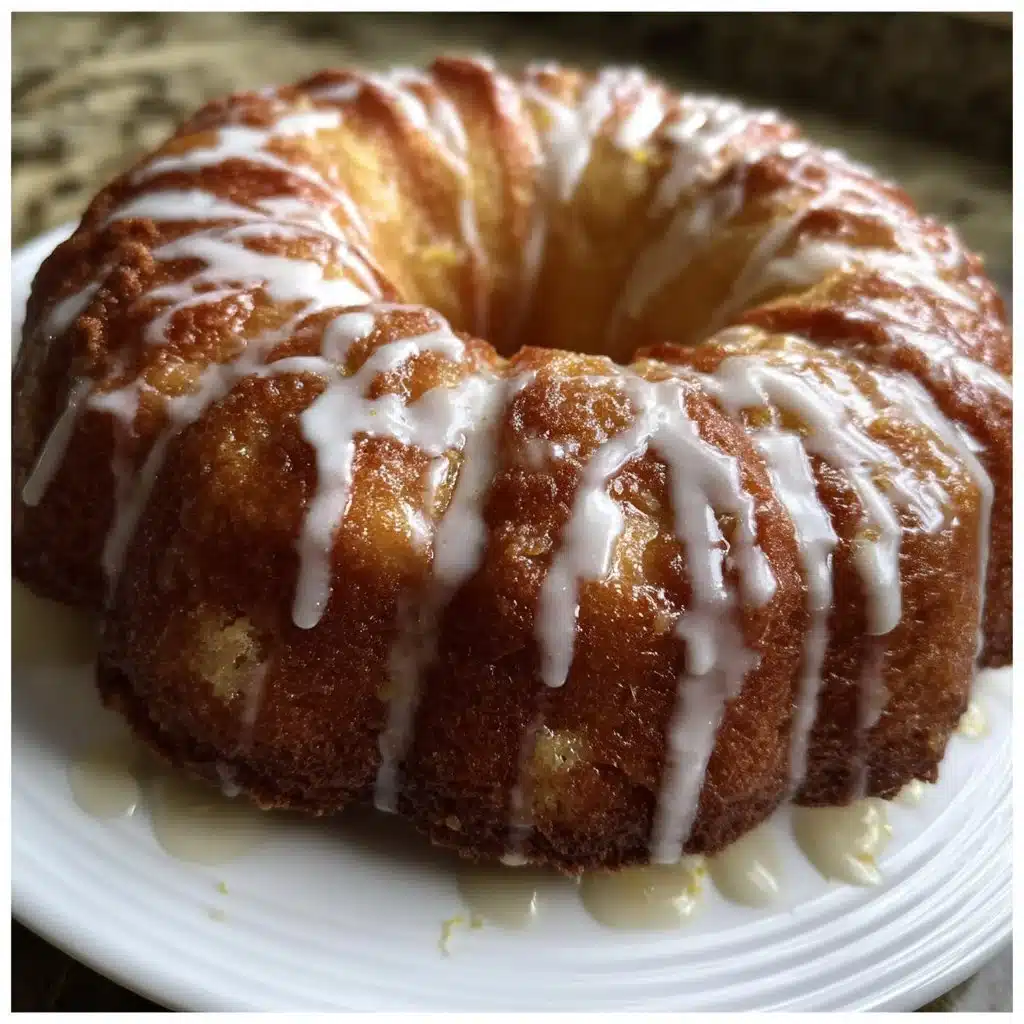
The first bite is all light, soft crumb and a whisper of orange blossom that lifts the whole room this Orange Blossom Tea Cake with Vanilla Glaze tastes like a bright memory, floral and buttery, with a silky glaze that melts into each forkful. The scent is gentle but unmistakable: warm butter, a hint of vanilla, and that delicate orange floral note that makes ordinary tea feel like a small celebration.
This cake is the kind of comfort food that gathers people close: it slices neatly for a crowd, doesn’t demand fussy timing, and pairs just as well with a bowl of soup or a pot of strong tea. It’s the kind of cake you pull from the oven for a neighbor, a book club, or a slow afternoon when you want to feel cared for. The texture is tender without being fragile, so it travels nicely to family gatherings and potlucks, and the glaze gives it a pretty, simple finish that makes even a busy kitchen look put together.
This is a simple, foolproof version you can make with pantry staples and just a few special drops of orange blossom water. You don’t need complicated tools or tricky techniques. If you want another citrusy option to keep in your recipe box, take a look at a citrus ricotta cake to swap flavors and keep your tea table interesting: a citrus ricotta cake.
Why this recipe works
What makes this cake come out so reliably lovely is the balance between fat, eggs, and liquid and the gentle lift from baking powder. The butter and eggs create richness and structure, holding the cake together while giving it that melt-in-your-mouth tenderness. The milk loosens the batter just enough so it bakes up soft instead of dense, while the flour provides the necessary backbone. A tablespoon of orange blossom water does a lot with a little: it gives a floral brightness that feels fresh without being overpowering, so every bite smells like a pretty afternoon tea.
Texture is the star here. The creaming of butter and sugar introduces tiny air pockets, which expand in the oven and give that light crumb. Beating the eggs in slowly keeps the batter silky; if you rush, you can deflate the mix and end up with a heavier cake. The baking powder gently puffs the cake, creating an even rise and a tender crumb that still slices cleanly. The glaze, made with powdered sugar and a touch of milk, adds moisture and a satiny sheen. Drizzle it over when the cake is cool and it will soak into the surface just enough to keep each slice soft without making the cake soggy.
Ease of cooking is part of the charm: you can measure ingredients in a few bowls, and the alternating addition of flour and milk keeps the batter smooth. No tempering of eggs or complicated folds just steady, simple steps that reward you with an elegant cake. The flavor pairing of vanilla with the orange blossom water is comforting and familiar; vanilla rounds and softens the floral notes so they feel like home. This balance is why the Orange Blossom Tea Cake with Vanilla Glaze feels both special and effortlessly doable at the same time.
How to prepare Orange Blossom Tea Cake with Vanilla Glaze
Begin by gathering your ingredients and preheating the oven so nothing gets rushed. The process is forgiving: cream butter and sugar until they’re light, then add eggs and your flavorings. Mixing the dry ingredients separately keeps lumps out and makes the final batter smoother. When you alternate adding the dry mixture with milk, stop and scrape the bowl between additions so everything blends evenly and you mix until smooth.
The most satisfying part is when you pour the batter into the pan and smooth the top it promises a golden, even rise. That moment, when the kitchen fills with a warm citrus-vanilla scent as the cake bakes, is the kind of simple pleasure that makes baking worth the few steps. If you like the idea of a similar flavor profile with a different texture, consider trying the almond-lemon combination by visiting almond lemon ricotta cake with lemon glaze for inspiration. Once baked and cooled, whisk the glaze until it’s smooth and glossy, then drizzle slowly so it pools ever so slightly on the top edge pretty and homey all at once.
Ingredients
- 2 cups all-purpose flour
- 1 cup granulated sugar
- 1/2 cup unsalted butter, softened
- 3/4 cup milk
- 3 large eggs
- 1 tablespoon orange blossom water
- 1 tablespoon baking powder
- 1/4 teaspoon salt
- 1 teaspoon vanilla extract
- 1 cup powdered sugar
- 2 tablespoons milk (for glaze)
Instructions
- Preheat the oven to 350°F (175°C).
- Grease a 9-inch round cake pan.
- In a large bowl, cream together the softened butter and granulated sugar.
- Beat until light and fluffy.
- Beat in the eggs one at a time.
- Stir in the orange blossom water and vanilla extract.
- In another bowl, combine the flour, baking powder, and salt.
- Gradually add the dry mixture to the creamed mixture alternately with the milk.
- Mix well after each addition.
- Pour the batter into the prepared cake pan.
- Smooth the top.
- Bake for 30–35 minutes.
- Test with a toothpick; it should come out clean.
- Let the cake cool in the pan for 10 minutes.
- Transfer the cake to a wire rack to cool completely.
- For the glaze, whisk together the powdered sugar and milk until smooth.
- Drizzle the glaze over the cooled cake before serving.
Serving ideas
This cake is lovely on its own, but here are a few simple ways to round the plate for a gathering:
- A bowl of fresh berries or a mixed fruit salad for a bright contrast.
- A pot of hot tea or a light coffee for a cozy pairing.
- A small plate of lightly sweetened whipped cream or a scoop of vanilla ice cream for extra indulgence.
For drinks, a fragrant black tea or a light, floral white tea complements the orange blossom without competing. If you prefer something cold, a sparkling water with a lemon slice keeps the palate clear and lets the cake shine.
Storing this recipe
Store the cake at room temperature for up to two days if it’s fully glazed and kept covered with a cake dome or airtight container. If your kitchen is warm, keep it in the refrigerator for up to four days to maintain freshness; bring slices to room temperature before serving to soften the crumb. For longer storage, wrap slices tightly in plastic wrap and place them in a freezer bag for up to two months. Thaw overnight in the refrigerator and warm gently in a low oven (about 300°F) for 8–10 minutes or microwave briefly for a few seconds. When reheating, watch carefully so the glaze doesn’t melt away entirely a gentle warm-up brings back the cake’s soft texture without drying it out.
Helpful tips
Mind the butter temperature. Softened butter should give slightly when pressed but still hold its shape. If the butter is too soft or melted, the creaming won’t trap air and the cake can turn out dense. If it’s too cold, you won’t get that light, whipped texture. Let the butter sit on the counter for about 30–45 minutes, depending on the warmth of your kitchen, before starting.
Add dry and wet ingredients slowly. Alternating the flour mixture with milk keeps the batter smooth and prevents overmixing. Overmixing develops gluten and can make the cake tough. Mix until smooth and stop as soon as ingredients are incorporated. Scrape the sides and bottom of the bowl between additions to ensure an even batter and an even crumb.
Watch your baking time and test early. Ovens vary, so start checking the cake five minutes before the recipe’s lower time. Insert a toothpick into the center; if it comes out with a few moist crumbs but no batter, it’s done. If you wait too long, the cake can dry. If the top browns too quickly, tent lightly with foil about halfway through baking.
Cool properly before glazing. If you pour the glaze while the cake is warm, it will run off and make a thin coating. Let the cake cool completely on a wire rack so the glaze sets on the surface and sinks just a little into the top for moistness and shine.
Adjust the orange blossom carefully. A little goes a long way. Start with the tablespoon called for and taste the batter if you like (spoonfuls are fine). If you’d like a stronger floral note, add a few drops more. Too much orange blossom water can seem soapy, so err on the side of gentle.
These small habits checking butter, alternating ingredients, testing early, cooling before glazing, and being gentle with floral flavoring will keep you from the common pitfalls and help this cake come out tender, fragrant, and beautiful every time. Baking is part patience, part practice, and when you follow these steps you’ll feel the satisfaction of a dependable treat you can trust to charm any gathering.
Recipe variations
Orange almond: Fold 1/2 cup finely ground almonds into the dry ingredients for a slightly denser crumb and a nutty undertone. Top the glaze with a scattering of toasted almond slivers for crunch.
Citrus swap: Replace half the milk with freshly squeezed orange juice and add a teaspoon of orange zest to the batter for a brighter citrus kick. Reduce milk in the glaze to keep it from being too loose.
Honey glaze: Substitute the powdered sugar glaze for a warm honey-vanilla sauce (gently heat 1/3 cup honey with a teaspoon of vanilla and a tablespoon of butter) and pour it over warm slices for a comforting, richer finish.
Common questions
Q: Can I use almond milk instead of dairy milk?
A: Yes, you can substitute almond milk one-for-one for dairy milk. The cake will still be tender, though the flavor will be slightly different; consider keeping the butter as unsalted dairy butter for the best texture.
Q: What can I use if I don’t have orange blossom water?
A: If you don’t have orange blossom water, a half-teaspoon of orange zest plus an extra 1/2 teaspoon of vanilla will give a pleasant citrus-vanilla note. The unique floral character won’t be the same, but it will still be delicious.
Q: How do I prevent a sunken center?
A: Avoid opening the oven door during the first 20 minutes of baking. Also make sure your baking powder is fresh old leavening can fail and cause sinking. Measure ingredients carefully and mix gently.
Q: Can I make this in a loaf pan instead of a round pan?
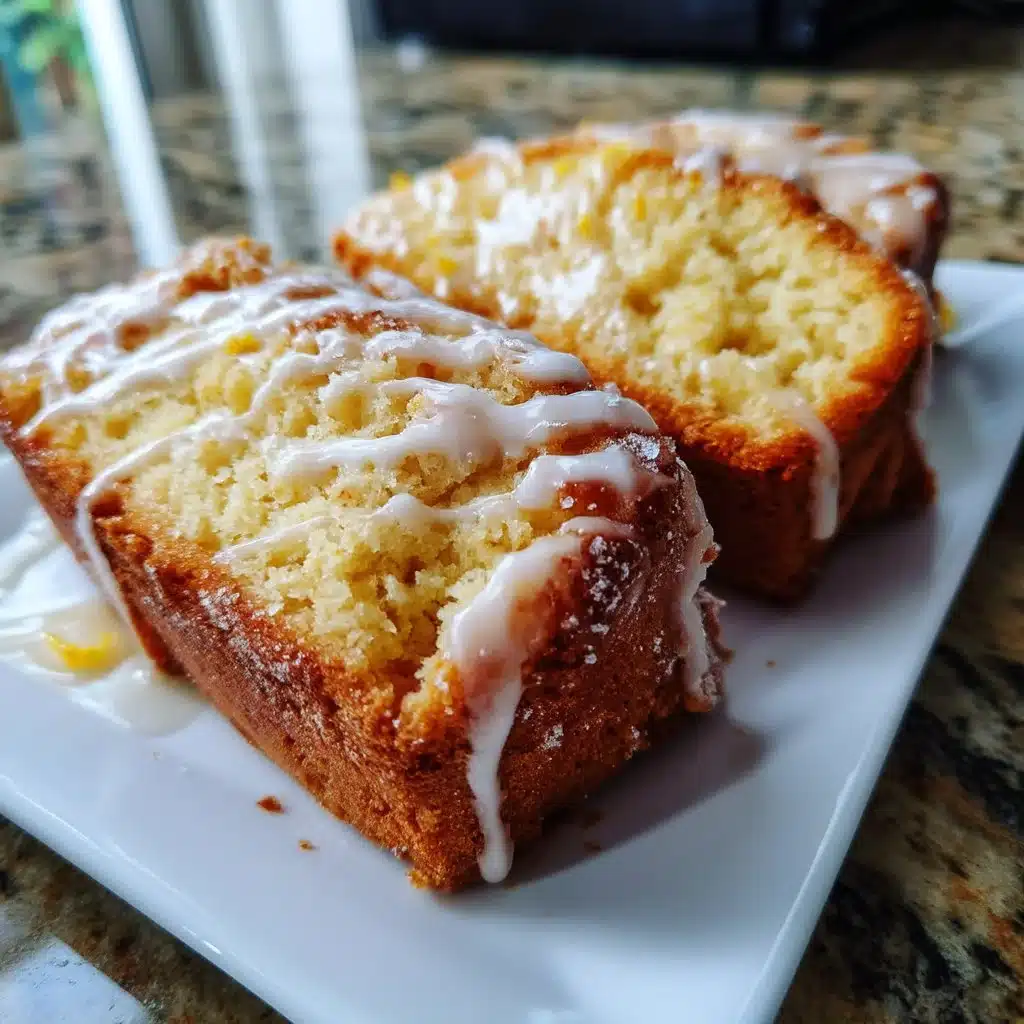
A: Yes. A loaf pan will need a bit more bake time; check around 40–50 minutes. Cover with foil if it browns too fast and test with a toothpick for doneness.
Conclusion
This Orange Blossom Tea Cake with Vanilla Glaze is a small slice of comfort you can make any afternoon floral, tender, and reassuringly simple. If you’re curious about another take on citrus cakes, this article from a trustworthy source goes into detail about the flavor and technique for a similar treat: Orange Blossom Cake – The Simple, Sweet Life.
Print
Orange Blossom Tea Cake with Vanilla Glaze
- Total Time: 50 minutes
- Yield: 8 servings
- Diet: Vegetarian
Description
A light and floral tea cake with a buttery texture, finished with a silky vanilla glaze.
Ingredients
- 2 cups all-purpose flour
- 1 cup granulated sugar
- 1/2 cup unsalted butter, softened
- 3/4 cup milk
- 3 large eggs
- 1 tablespoon orange blossom water
- 1 tablespoon baking powder
- 1/4 teaspoon salt
- 1 teaspoon vanilla extract
- 1 cup powdered sugar
- 2 tablespoons milk (for glaze)
Instructions
- Preheat the oven to 350°F (175°C).
- Grease a 9-inch round cake pan.
- Cream together the softened butter and granulated sugar until light and fluffy.
- Beat in the eggs one at a time.
- Stir in the orange blossom water and vanilla extract.
- Combine the flour, baking powder, and salt in another bowl.
- Gradually add the dry mixture to the creamed mixture alternately with the milk.
- Mix well after each addition.
- Pour the batter into the prepared cake pan.
- Smooth the top.
- Bake for 30–35 minutes or until a toothpick comes out clean.
- Cool the cake in the pan for 10 minutes before transferring to a wire rack to cool completely.
- Whisk together the powdered sugar and milk for the glaze until smooth.
- Drizzle the glaze over the cooled cake before serving.
Notes
Store the cake at room temperature for up to two days covered. For longer storage, wrap slices in plastic wrap and freeze for up to two months.
- Prep Time: 15 minutes
- Cook Time: 35 minutes
- Category: Dessert
- Method: Baking
- Cuisine: American