
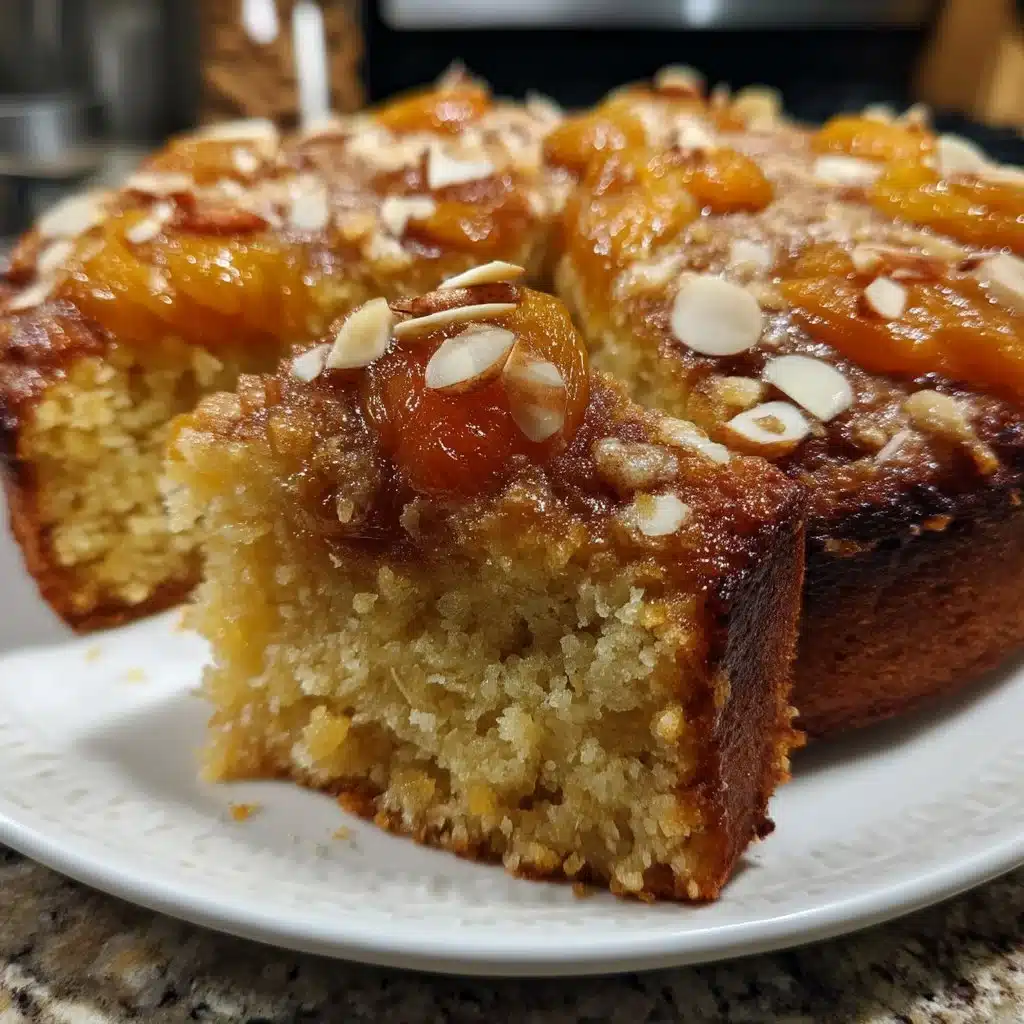
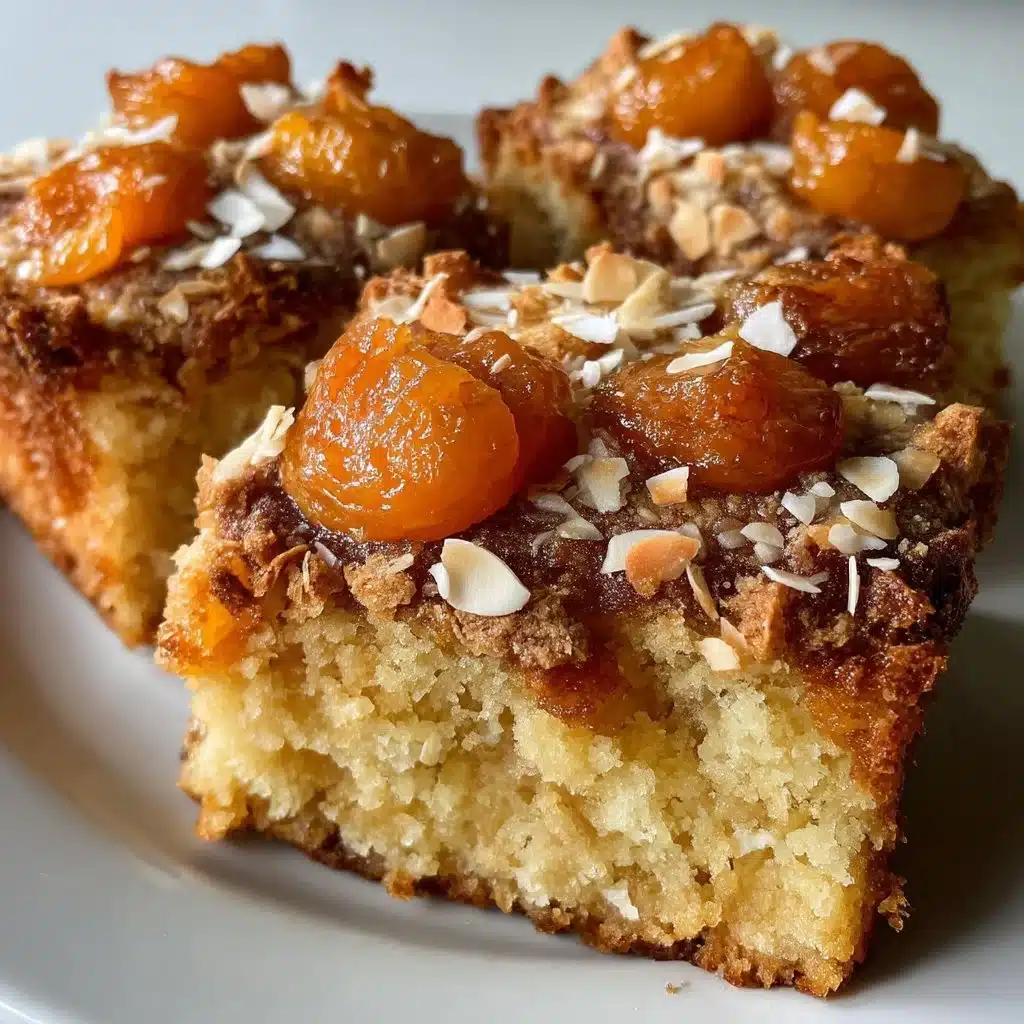
The first bite greets you with a warm, nutty whisper of browned butter, tender pockets of apricot that give a gentle burst of sun-kissed sweetness, and a light crunch from slivered almonds that keeps each forkful honest. Brown Butter Apricot Almond Snack Cake melts in the mouth with a fine crumb from the almond and all-purpose flours, while the browned butter scent fills the kitchen like a cozy blanket on a rainy afternoon.
This is comfort food the way a family photo is comfort familiar, simple, and always welcome at the table. It lands softly alongside a bowl of soup, bright salads, or a plate of cheese and fruit for a potluck, and it bridges generations because everyone finds something to love: kids enjoy the tender cake, adults appreciate the nutty brown butter, and elders remember afternoons of humming ovens and tea. If you want a citrusy contrast some other day, try a bright lemon alternative and you’ll see how small swaps can make big memories.
I’m sharing a version that’s deliberately simple and mostly foolproof, built to be approachable whether you bake every weekend or only on holidays. The instructions are straightforward, the most technical step is watching the butter turn a warm amber, and the rest is mixing until smooth and folding in apricots and almonds. The reward an aromatic, sliceable cake that keeps well and travels easily is worth the few gentle steps it asks of you.
Why this recipe works
This cake succeeds because each ingredient has a clear job that contributes to texture and ease of cooking. Browned butter brings a deep, toasty flavor beyond plain melted butter; when you brown butter, the milk solids caramelize and add complexity that plays beautifully with the apricots’ bright sweetness. Almond flour lends a tender, slightly moist crumb and subtle almond flavor, while all-purpose flour provides structure so the cake holds together in neat slices. Sugar balances the tang and acidity of the apricots while also helping to brown the top in the oven.
Eggs are the binder and leavening partner here. Beating the eggs into the sugar and butter mixture incorporates air gently, giving lift without the need for heavy machinery. Baking powder adds a predictable rise; the 1 teaspoon is enough to give a light crumb without opening large holes in the cake. The slivered almonds on top add texture contrast without them, every bite would be the same soft texture. That crunch is a familiar pleasure that anchors the dessert.
From a practical standpoint, the recipe is forgiving. Browning the butter requires attention but not perfection; a few extra seconds will deepen flavor without ruining the bake, as long as you remove it from heat when the aroma turns nutty and the solids are a warm brown. Folding in apricots and almonds at the end prevents overworking the batter; you want to mix until combined, not until every last trace of flour is chased away. That gentle approach keeps the crumb tender and avoids a heavy, dense cake.
The balance between almond flour and all-purpose flour is intentional: too much almond flour and the cake can be gummy; too much all-purpose and it becomes dry. This combination gives moistness with enough gluten to hold slices. Salt brightens flavors and deepens the butter’s suggestion of caramel; vanilla rounds everything into a cohesive, warm profile. For a quick note about serving, the cake’s texture is firm enough to transport to picnics and potlucks yet delicate enough for a tea tray, which is why many of my friends call it a reliable, heartwarming staple. If you want a simpler almond-focused profile, this method ties in well with a simple almond cake approach, where almonds take the starring role.
How to prepare Brown Butter Apricot Almond Snack Cake
Start by preparing your pan and gathering ingredients so you move through steps without fuss. Browning the butter is the most satisfying part: stirring and watching the color shift while the kitchen fills with a toasted aroma makes you feel like you’ve done something special. The simple joy comes when you fold in the apricots and almonds and see the batter studded with color and texture there’s a little thrill in knowing what’s coming out of the oven.
Work in three bowls if it helps: one for browned butter and sugar, one for the eggs and vanilla, and one for the dry flours and leavening. Combine wet and dry just until the streaks disappear, and resist the urge to overmix; a few small flour pockets are okay. Pour the batter into the prepared pan, smooth the top with a spatula, and sprinkle the remaining almonds to create a pretty top that toasts as the cake bakes. That toasted top is the most satisfying part when you tap it, it gives slightly, then springs back. Let it cool a bit before slicing so the crumb sets. This method makes the whole process feel easy and calm, and you’ll be rewarded with a cake that looks like it took more time than it did.
Ingredients
- 1 cup unsalted butter
- 1 cup apricots, chopped
- 1 cup almond flour
- 1 cup all-purpose flour
- 1 cup sugar
- 3 large eggs
- 1 teaspoon vanilla extract
- 1 teaspoon baking powder
- 1/2 teaspoon salt
- 1/2 cup slivered almonds
Instructions
- Preheat the oven to 350°F (175°C).
- Grease and flour a cake pan.
- In a saucepan, melt the butter over medium heat.
- Stir the butter constantly until it turns brown and gives a nutty aroma.
- Remove the browned butter from heat and let it cool.
- In a bowl, mix the brown butter and sugar until well combined.
- Add the eggs one at a time, mixing well after each addition.
- Stir in the vanilla extract.
- In a separate bowl, whisk together almond flour, all-purpose flour, baking powder, and salt.
- Gradually add the dry mixture to the wet ingredients and mix until just combined.
- Fold in chopped apricots and slivered almonds.
- Pour the batter into the prepared cake pan and smooth the top.
- Sprinkle additional slivered almonds over the surface if desired.
- Bake for 30–35 minutes.
- Insert a toothpick into the center; it should come out clean when done.
- Allow to cool in the pan for 10 minutes.
- Transfer to a wire rack to cool completely.
- Slice and serve.
Serving ideas
- A small bowl of whipped cream or a dollop of Greek yogurt brightens each slice without overpowering it.
- A simple green salad with a light vinaigrette keeps a gathering feeling fresh and balanced.
- A plate of mixed seasonal fruit (think slices of pear, grapes, or figs) complements the apricot and almond notes.
Drink pairing: a pot of black tea with a splash of milk or a cup of mild coffee makes a lovely pairing both will play nicely with the brown butter’s caramel notes without stealing the show.
How to keep leftovers
Store slices in an airtight container at room temperature for up to 2 days. If your kitchen is warm or humid, place the container in the refrigerator; chilled cake will keep 4–5 days. For longer storage, wrap individual slices tightly in plastic wrap, then place in a freezer-safe bag or container; frozen slices keep well for up to 3 months. To reheat, thaw frozen slices in the refrigerator overnight, then warm briefly in a 325°F oven for 8–10 minutes or microwave a single slice for 20–30 seconds until just warm. If refrigerated, warm gently in the oven at 300°F for 5–8 minutes to bring back a tender crumb without drying the cake. Always let the cake cool slightly before storing to avoid trapping steam, which can make the top soggy.
Helpful tips
Tip 1 Watch the butter closely. Browning butter is quick and smells wonderful, but it moves from golden to burnt in moments. Use a light-colored pan if you have one so you can see the color change. Stir continuously and remove the pan from heat as soon as the bits at the bottom are golden brown and the aroma is toasty. Pour the browned butter into a cool bowl to stop the cooking. If you overbrown it slightly, the deeper flavor will often still work well; if it burns and smells acrid, start over.
Tip 2 Keep the batter tender by mixing gently. Once you add the dry ingredients to the wet, fold with a spatula and stop as soon as you see no dry flour. Overmixing develops gluten and will make the cake tougher and denser. When folding in apricots and almonds, do so with the same gentle, scooping motion to preserve air in the batter. Small bits of flour left behind will bake out and won’t impact the texture much.
Tip 3 Prepare apricots properly. Use ripe but firm apricots for the best texture; overly soft fruit can break down and add too much moisture. Chop them into even pieces so they distribute evenly through the cake. If your apricots are very juicy, toss them lightly in a teaspoon of flour before folding in; this helps prevent them from sinking to the bottom. Also, patting slightly damp apricots with a paper towel before chopping can help control added moisture.
Small habits make a difference: measure your flour by spooning it into the cup and leveling it rather than scooping, and let cold eggs come to room temperature for better incorporation. If you want a glossier top, brush a little warmed apricot jam over the cooled cake. These little practices help the cake look and taste its best without adding complexity.
Recipe variations
- Add warm spices: Stir 1/2 teaspoon of ground cinnamon and 1/4 teaspoon of ground cardamom into the dry ingredients for a spiced autumn version that pairs beautifully with tea.
- Swap fruit: Use dried apricots rehydrated in hot water for 10 minutes and drained, or replace apricots with chopped peaches or nectarines in season for a summer twist.
- Make it citrusy: Fold in the zest of one orange and replace the vanilla with orange extract for a brighter, citrus-forward cake.
Frequently asked questions
Q: Can I use salted butter instead of unsalted?
A: Yes, you can. If you use salted butter, omit or reduce any added salt in the recipe to keep the balance right.
Q: Can I substitute whole wheat flour for all-purpose flour?
A: You can substitute up to half the all-purpose flour with whole wheat pastry flour for a nuttier, denser result. If you use regular whole wheat, expect a firmer crumb and consider adding a tablespoon of extra liquid.
Q: How do I keep the apricots from sinking?
A: Toss chopped apricots very lightly in a teaspoon of flour before folding them into the batter. This helps suspend them as the cake bakes.
Q: Is almond flour necessary, or can I use more all-purpose flour?
A: Almond flour contributes moisture and a delicate crumb. Replacing it entirely with all-purpose flour will yield a dryer, less tender cake. If you must substitute, use 1 cup all-purpose and add 2 tablespoons of oil or extra butter to help retain moisture.
Conclusion
This cozy Brown Butter Apricot Almond Snack Cake is a quiet star for tea-time and family gatherings alike, with comforting browned butter flavor, tender almond crumb, and fruity apricot pockets that make each slice feel like a small celebration. For an additional take on apricot and almond baking, you might enjoy this helpful reference to an apricot almond cake: Apricot Almond Cake – easygayoven. Try this cake the next time you want something simple, warm, and reliably beloved Brown Butter Apricot Almond Snack Cake will likely become a repeat favorite.
Print
Brown Butter Apricot Almond Snack Cake
- Total Time: 50 minutes
- Yield: 8 servings
- Diet: Vegetarian
Description
A cozy and tender cake infused with the rich flavor of browned butter, sweet apricots, and crunchy slivered almonds, perfect for tea-time or family gatherings.
Ingredients
- 1 cup unsalted butter
- 1 cup apricots, chopped
- 1 cup almond flour
- 1 cup all-purpose flour
- 1 cup sugar
- 3 large eggs
- 1 teaspoon vanilla extract
- 1 teaspoon baking powder
- 1/2 teaspoon salt
- 1/2 cup slivered almonds
Instructions
- Preheat the oven to 350°F (175°C).
- Grease and flour a cake pan.
- In a saucepan, melt the butter over medium heat.
- Stir the butter constantly until it turns brown and gives a nutty aroma.
- Remove the browned butter from heat and let it cool.
- In a bowl, mix the brown butter and sugar until well combined.
- Add the eggs one at a time, mixing well after each addition.
- Stir in the vanilla extract.
- In a separate bowl, whisk together almond flour, all-purpose flour, baking powder, and salt.
- Gradually add the dry mixture to the wet ingredients and mix until just combined.
- Fold in chopped apricots and slivered almonds.
- Pour the batter into the prepared cake pan and smooth the top.
- Sprinkle additional slivered almonds over the surface if desired.
- Bake for 30–35 minutes.
- Insert a toothpick into the center; it should come out clean when done.
- Allow to cool in the pan for 10 minutes.
- Transfer to a wire rack to cool completely.
- Slice and serve.
Notes
Pairs well with whipped cream or Greek yogurt for added brightness. Keeps well in an airtight container at room temperature for up to 2 days.
- Prep Time: 15 minutes
- Cook Time: 35 minutes
- Category: Dessert
- Method: Baking
- Cuisine: American