
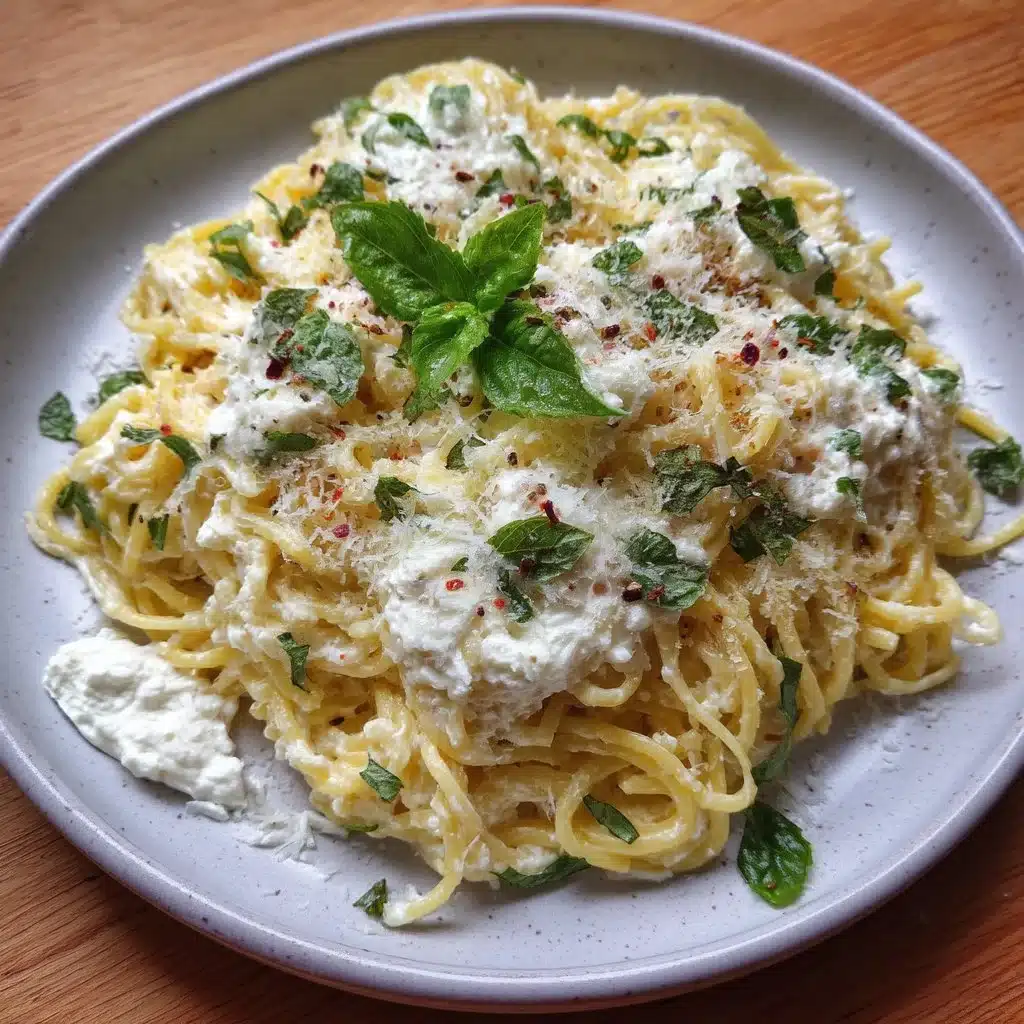
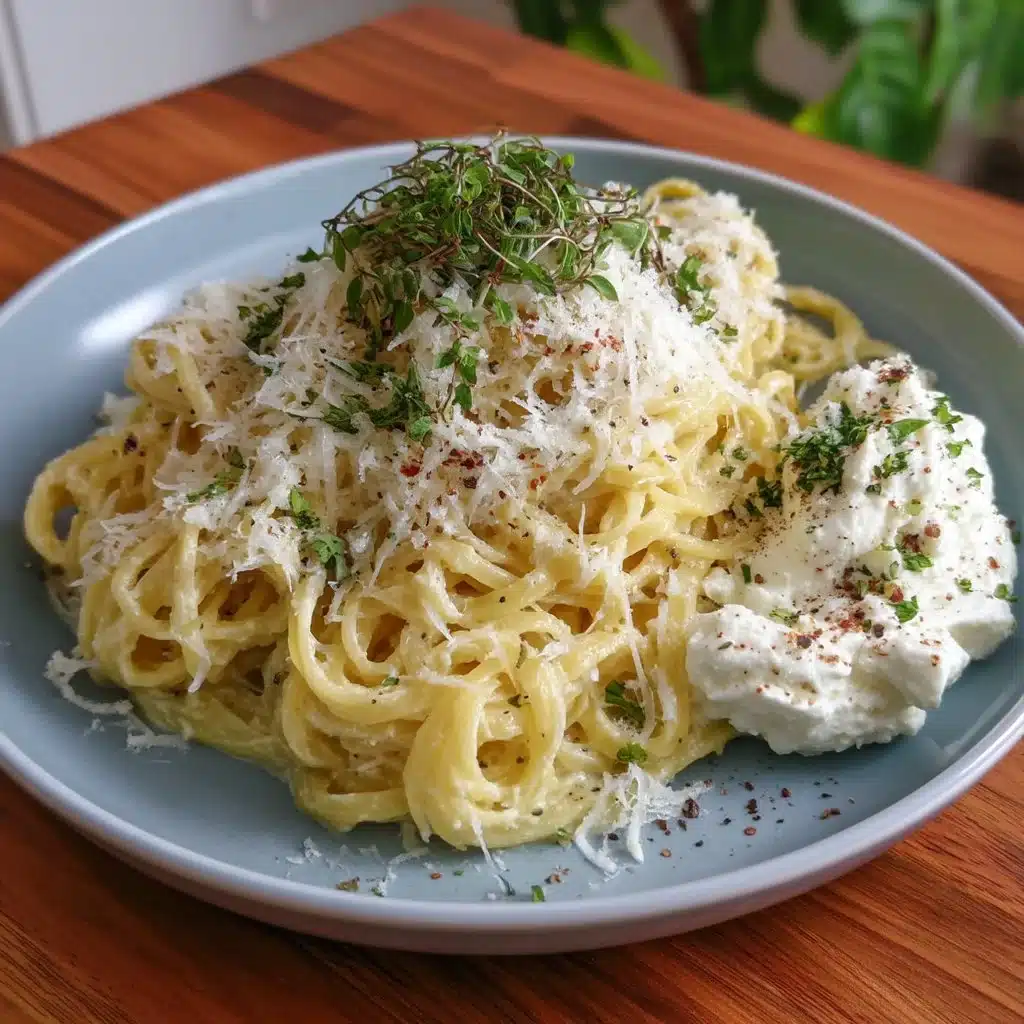
The first bite is pillowy and bright, a creamy ribbon of cheese that clings to every forkful that familiar, cozy comfort of Whipped Ricotta Pasta fills the kitchen with the scent of garlic kissed by olive oil and a whisper of fresh basil. The ricotta folds into the hot pasta, smoothing into a sauce that’s light as a cloud but rich enough to feel like a warm hug. It carries the gentle salt of Parmesan and the soft peppery aroma of black pepper, promising the kind of simple pleasure that makes you slow down and taste properly.
This kind of dish is what you reach for when the family is coming over and you want something homey without hours at the stove. It pairs perfectly with a crisp salad or a bowl of soup, and it’s forgiving enough to be made ahead and warmed gently, which is a blessing when you’re juggling grandchildren, last-minute errands, or a table full of stories. It’s the sort of meal that invites conversation a plate set down at the center of the table and everyone passing bread, stealing basil leaves, and scraping the bottom of the pan when the plates are cleared. You might even set out a simple oven-baked vegetable as a companion; one of my favorite side ideas is a pan of roasted carrots that have been dressed with a touch of honey and ricotta, like the honey-roasted carrots I sometimes serve alongside this dish you can find that idea here: honey-roasted carrots with whipped ricotta.
This version is simple and truly foolproof, made with pantry-friendly ingredients and a blender or food processor to make the sauce in minutes. You don’t need a long list of steps or fancy equipment just a pot, a blender, and a few good groceries. The most satisfying part is watching the ricotta transform from grainy to glossy, then tossing it with steaming pasta until everything is glossy and just the right texture. It’s easy to scale up for a crowd or keep to two servings for a quiet evening, and it cleans up quickly so you can get back to whatever matters: family, friends, or simply enjoying a peaceful meal.
Why this recipe works
What makes this recipe special is how the ingredients play together to create texture and ease without fuss. The ricotta is the hero: its fresh, slightly tangy creaminess gives the sauce body without heaviness. When you whip ricotta with olive oil and a little grated Parmesan, you’re combining fat and acid in a way that gives the sauce a silky mouthfeel and a gentle depth of flavor. Parmesan brings umami and a savory backbone that prevents the sauce from tasting one-note, while the olive oil adds a soft, glossy finish and helps the sauce coat each strand of pasta evenly.
Texture is essential in a simple dish like this. The contrast between al dente pasta and the whipped, almost airy cheese is what keeps each bite interesting. Fresh garlic, finely minced, injects a bright, savory note that cuts through the creaminess; salt and pepper balance those flavors so the dish doesn’t feel flat. Reserving some pasta water is a classic trick: the starchy water acts as an emulsifier, bringing the ricotta and oil together to create a silky emulsion that clings to the pasta rather than pooling on the plate. That small step is the difference between a clumpy sauce and a smooth, restaurant-style finish.
Ease of cooking is another reason this recipe shines. You can cook the pasta while you blend the sauce, and everything comes together in a few minutes. Using a blender or food processor to mix the ricotta, Parmesan, oil, and garlic ensures a consistently smooth texture every time no lumps, no heavy cream required. For busy cooks, this means less hovering at the stove and more time to greet guests or tend to other dishes. The ingredients are forgiving: a room-temperature ricotta whips more smoothly than a cold one, and if the sauce seems too thick, a splash of the reserved pasta water or a little extra olive oil will loosen it without losing flavor.
Finally, the flavors are adaptable. Fresh herbs at the end basil or parsley bring a light, fresh note that lifts the dish, while lemon zest or a pinch of red pepper flakes can add brightness or heat if you like. Because the sauce is so simple, each small addition makes a noticeable change, allowing home cooks to tailor the dish to what’s on hand or to family preferences. That combination of approachable technique, comforting textures, and flexible flavor is why this recipe works so well for weeknights and gatherings alike.
How to prepare Whipped Ricotta Pasta
This is a gentle, hands-on process that feels satisfying at every step. Start by cooking your pasta until it’s just shy of done so it finishes in the sauce, then whirl the ricotta, Parmesan, oil, and garlic until the mixture becomes smooth and glossy. Reserving a cup of the pasta water before draining is the small trick that creates a silky sauce when you toss everything together. The most satisfying moment and I mean truly satisfying is the first toss: watching the ricotta cling to the pasta, turning a plain bowl of noodles into something creamy and comforting. Keep the language simple: mix until smooth, toss with pasta, and add pasta water as needed.
Before the recipe card below, remember to taste for salt and pepper, and don’t be afraid to add just a touch more Parmesan if you want extra savory depth. Finish with torn basil or chopped parsley for a bright, herbaceous note. If you’re serving family, let people help pass bowls and sprinkle on herbs it makes the meal feel warm and shared.
Ingredients
- 250g pasta of your choice
- 1 cup ricotta cheese
- 1/4 cup grated Parmesan cheese
- 1/4 cup olive oil
- 2 cloves garlic, minced
- Salt and pepper to taste
- Fresh basil or parsley for garnish
Instructions
- Cook the pasta according to package instructions.
- Reserve some pasta water before draining the pasta.
- In a blender or food processor, combine ricotta, Parmesan, olive oil, garlic, salt, and pepper.
- Blend the mixture until smooth and creamy.
- Drain the pasta.
- Toss the pasta with the whipped ricotta mixture.
- Add reserved pasta water as needed to reach desired creaminess.
- Serve warm, garnished with fresh basil or parsley.
Serving ideas
This dish pairs beautifully with simple, homey sides that complement its creamy texture.
- A crisp green salad dressed with a tangy vinaigrette brings a refreshing contrast and lightens the plate.
- Steamed or roasted green beans with a squeeze of lemon add a bright, slightly crunchy side that plays well against the soft pasta.
- Oven-roasted vegetables, like carrots or seasonal squash, offer a sweet, caramelized counterpoint.
For a drink pairing, choose a light white wine such as a Pinot Grigio or an unoaked Chardonnay, which will not overpower the delicate ricotta. If you prefer non-alcoholic, a sparkling water with a twist of lemon or a chilled iced tea with a hint of mint is lovely and refreshing. If you’d like another way to enjoy ricotta in a salad or side at a potluck, try a creamy ricotta pesto pasta salad as a make-ahead option it’s an easy change that guests love: ricotta pesto pasta salad.
Storing this recipe
Leftovers keep well in the refrigerator for up to 3 days when stored in an airtight container. The sauce will thicken as it cools because the cheese firms up; when reheating, add a splash of milk, cream, or reserved pasta water to loosen the sauce and bring back the silky texture. Reheat gently over low heat on the stovetop, stirring frequently, or microwave in short bursts, stirring in between to ensure even warmth.
Freezing is not ideal for the finished dish because the dairy texture can change and become grainy upon thawing. If you need to freeze components, freeze the cooked pasta plain (tossed lightly with oil to prevent sticking) and the ricotta mixture separately in airtight containers. Thaw in the refrigerator overnight and reheat slowly on the stove, combining them just before serving and adding a little hot water to reach the right creaminess.
If you want to prepare ahead for a dinner, you can make the ricotta sauce a day ahead and keep it chilled; bring it back towards room temperature before tossing with hot pasta and add reserved pasta water to adjust consistency. Always check seasoning after reheating, as flavors can mellow and you may want a touch more salt or pepper.
Helpful tips
Tip 1: Use room-temperature ricotta for a silkier sauce.
Cold ricotta straight from the refrigerator can be a bit stiff and resistant to smoothing in a blender. Let the ricotta sit at room temperature for 15–20 minutes before you blend it. This small step makes a noticeable difference when you mix until smooth. If you’re short on time, add a tablespoon of warm pasta water or a little more olive oil while blending to help loosen the curds. The goal is a creamy, glossy texture not lumpy or grainy.
Tip 2: Reserve pasta water and add gradually.
That starchy pasta water is the secret to a cohesive sauce. Start by adding a tablespoon at a time and toss; the sauce should coat the pasta without looking watery. If you add too much, it’s easy to correct by stirring in a little extra ricotta or Parmesan. This gradual approach prevents the sauce from becoming runny and ensures it adheres to the pasta instead of pooling on the plate. Remember, you can always add more water, but you can’t take it out.
Tip 3: Don’t overdo the garlic and salt taste as you go.
Fresh garlic is bright and wonderful, but a little goes a long way in a creamy cheese sauce. Mince it finely so it blends well, and start with one clove if you’re unsure, then add the second if needed. Parmesan adds salt and umami, so mix and taste before adding more salt. Tasting at the blending stage and after you toss with pasta helps you get the balance right. If the sauce needs brightness, a tiny squeeze of lemon or a pinch of lemon zest can lift the flavors without changing the comforting character of the dish.
These tips will help you avoid common pitfalls: grainy texture, watery sauce, and overpowering garlic or salt. With a few mindful steps, you’ll achieve the creamy, comforting result that makes everyone ask for seconds, and you’ll feel proud of a meal that’s both effortless and special.
Recipe variations
- Make it Spicy: Add a pinch of red pepper flakes to the blender or sprinkle on top when serving for gentle heat that plays beautifully against the creamy ricotta.
- Add Roasted Vegetables: Fold in warm roasted cherry tomatoes or roasted bell peppers for a burst of sweetness and color. The hot vegetables will soften the ricotta slightly and add a lovely contrast.
- Lemon & Herb Twist: Stir in a tablespoon of lemon zest and extra chopped herbs like dill or chives for a bright, garden-fresh version that’s especially nice in spring and summer.
Frequently asked questions
Q: How do I stop the ricotta from being grainy?
A: Use room-temperature ricotta and blend it thoroughly with olive oil and Parmesan. If it’s still a bit grainy, add a little warm pasta water while blending to smooth it out.
Q: Can I make the sauce ahead of time?
A: Yes. Keep the sauce chilled and bring it to room temperature before tossing with hot pasta, adding pasta water a little at a time to regain the silky texture.
Q: What pasta shapes work best for this sauce?
A: Short shapes like rigatoni, penne, or shells hold the sauce well, and long noodles like spaghetti or linguine are lovely too choose what your family likes best.
Q: Can I use low-fat ricotta?
A: You can, but full-fat ricotta gives a richer, silkier result. If using low-fat, consider adding an extra tablespoon of olive oil to help with creaminess.
Conclusion
This gentle, family-friendly approach to Whipped Ricotta Pasta makes weeknight dinners feel special and gatherings simple to manage. For a full recipe reference and extra tips from another cook’s version, you can consult this helpful online guide: a tested Whipped Ricotta Pasta recipe.
PrintWhipped Ricotta Pasta
- Total Time: 25 minutes
- Yield: 4 servings
- Diet: Vegetarian
Description
A creamy and comforting pasta dish featuring whipped ricotta and Parmesan.
Ingredients
- 250g pasta of your choice
- 1 cup ricotta cheese
- 1/4 cup grated Parmesan cheese
- 1/4 cup olive oil
- 2 cloves garlic, minced
- Salt and pepper to taste
- Fresh basil or parsley for garnish
Instructions
- Cook the pasta according to package instructions.
- Reserve some pasta water before draining the pasta.
- Combine ricotta, Parmesan, olive oil, garlic, salt, and pepper in a blender or food processor.
- Blend the mixture until smooth and creamy.
- Drain the pasta.
- Toss the pasta with the whipped ricotta mixture.
- Add reserved pasta water as needed to reach desired creaminess.
- Serve warm, garnished with fresh basil or parsley.
Notes
Leftovers keep well in the refrigerator for up to 3 days. Reheat gently and add a splash of pasta water if needed.
- Prep Time: 10 minutes
- Cook Time: 15 minutes
- Category: Main Course
- Method: Blending
- Cuisine: Italian