
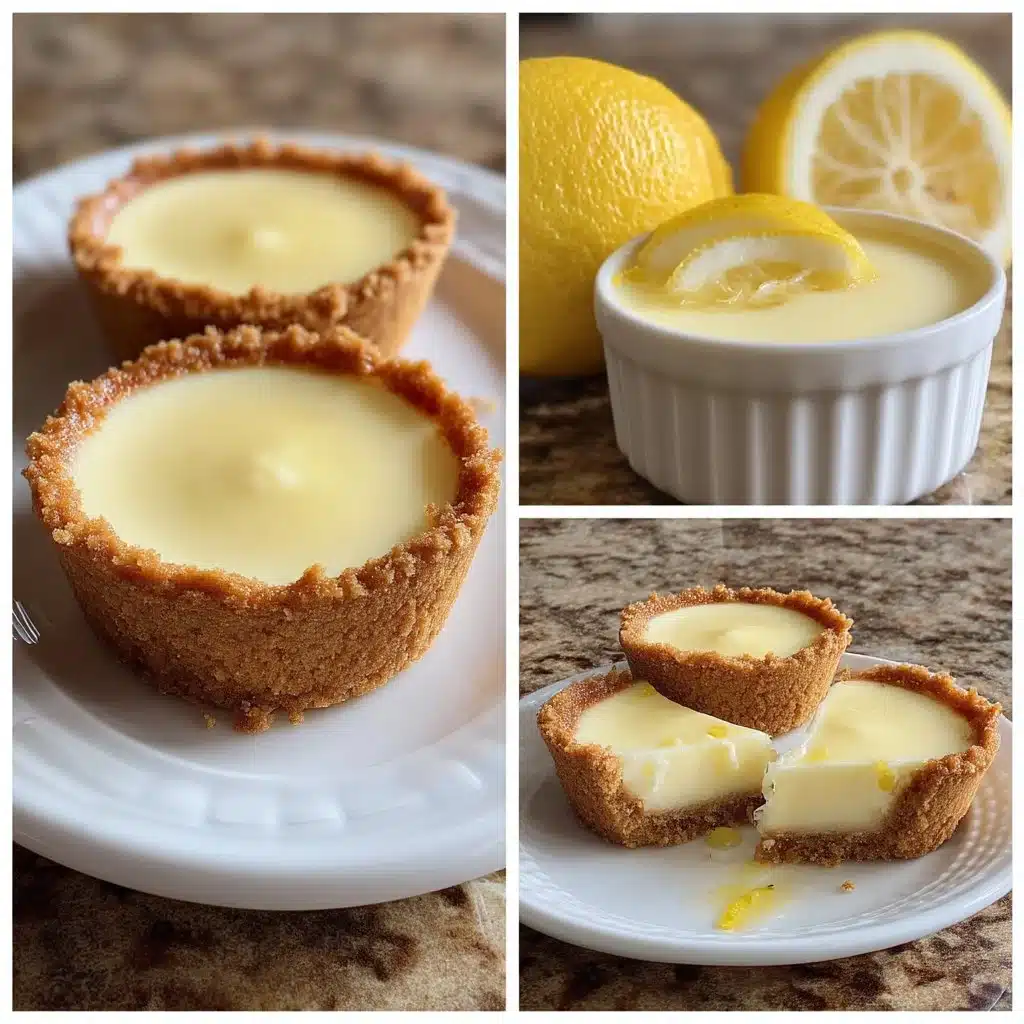
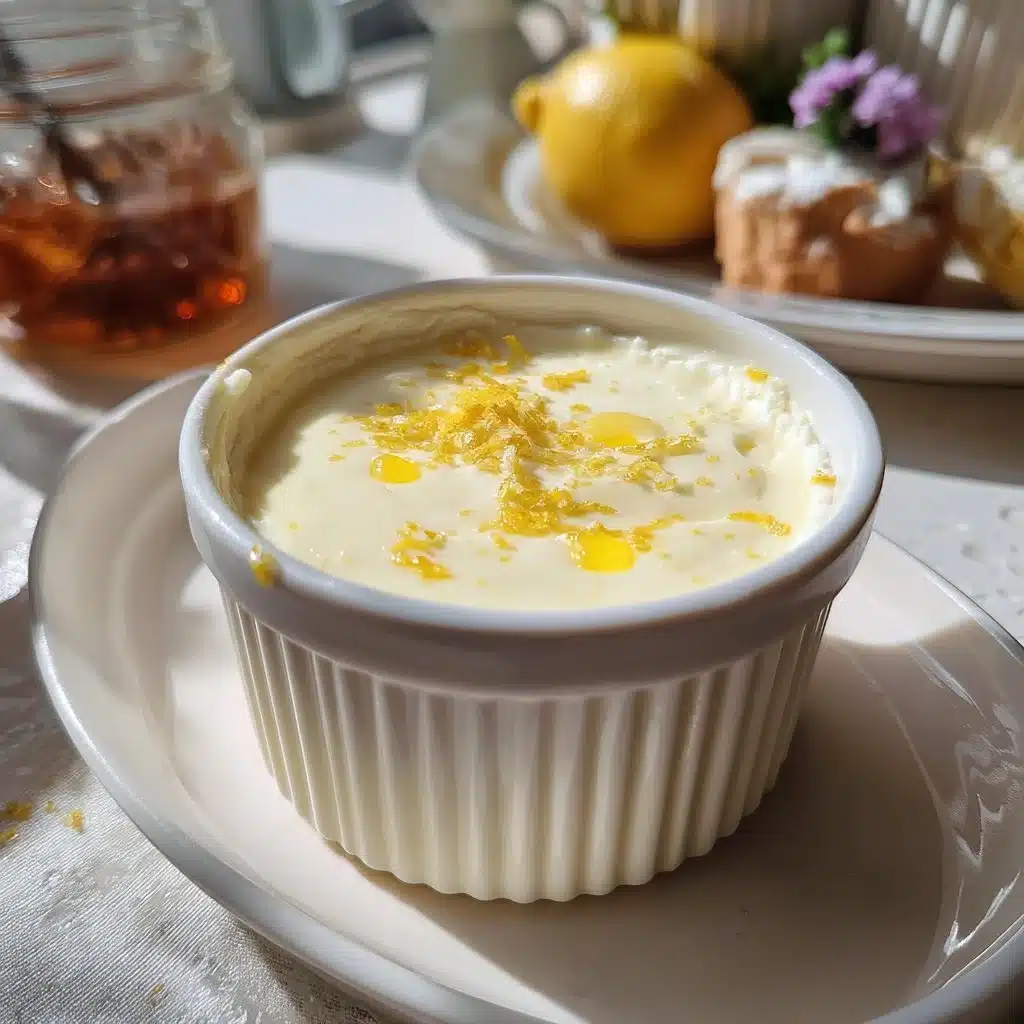
The first bright spoonful is all you need: silk-smooth cream, a lemon-sparked tang that wakes up the tongue, and a gentle wobble that melts into a whisper of sweetness that’s the charm of Lemon Panna Cotta Cups on a warm afternoon. The lemon oil from the zest lifts the cream without making it sharp, while the buttermilk gives the finish a familiar, almost buttery tang that keeps every bite pleasantly balanced. The aroma is like sunshine in the kitchen, the kind that makes you think of long-ago picnics and porch swings, and the texture is the kind that invites you back for just one more small cup.
These little cups are comfort food in the best sense: elegant enough for a family celebration, yet humble enough to sit beside a bowl of soup or a simple fruit salad after a Sunday supper. They travel well to potlucks and are friendly to busy afternoons you can make them ahead, tuck them in the fridge, and relax while relatives arrive. The light lemon flavor is something everyone seems to smile at, and because they are individually portioned, they’re perfect for hostessing without fuss. I like to set them out on a tray and let people pick their own garnish; it keeps the table lively and the conversation flowing. If you’re want to pair them with a cake or a crisp biscuit, they’ll hold their own without stealing the moment.
This version is foolproof, built to make you feel confident even if you haven’t made panna cotta before. The steps are straightforward and forgiving: bloom the gelatin, warm the cream and dissolve the sugar, stir everything together, then chill. There’s no whipping or tempering, no worrying over splitting, and no need for special equipment. As you stir the lemon into the warm cream, you’ll notice how the kitchen fills with a clean, citrus scent that feels almost like a memory. If you want a touch of tradition with a modern ease, these cups are for you and if you want a companion dessert for a light dinner, try pairing them with a tender almond-lemon cake for a sweet contrast that friends always ask about: a tender almond-lemon cake.
Why this recipe works
This recipe is a lesson in balance and texture, and it succeeds because each ingredient has a clear role that’s easy to see and feel. Heavy cream brings richness and a silky mouthfeel; it’s the backbone that carries the lemon and sugar without becoming cloying. Sugar does more than sweeten it softens the sharp edges of the lemon and adds body to the finished set. Buttermilk is the clever twist here: its gentle acidity provides a subtle tang that brightens the cream and makes the finish feel lighter, so you never leave the table feeling weighed down. Gelatin is the miracle worker; when bloomed carefully and dissolved into warm liquid, it creates that signature delicate wobble that’s the heart of a good panna cotta.
Texture is everything with this dessert. When you scoop it, you want a clean break with a creamy interior that holds together for just a moment before melting on the tongue. That delicate set comes from absolute attention to the gelatin step: sprinkle and let it bloom, then dissolve it in warm cream so it’s fully incorporated without any lumps. The lemon zest offers tiny bursts of citrus oil, and the juice adds bright acidity together they give layers of flavor that keep each spoonful interesting. The process is also gentle and forgiving; you’re warming, not boiling, the cream so the fat stays smooth and the buttermilk remains stable. That makes the recipe approachable even for a novice cook.
Ease of cooking is another reason this recipe shines. There’s no whipping, no complicated tempering, and no need for special tools. You’ll find the most satisfying part is when you pour the finished mixture into cups. It’s a quiet moment of anticipation: the kitchen smells fresh, the mixture looks glossy and inviting, and you know it will transform into a neat, jewel-like cup in the refrigerator. Making these feels like a small, loving ritual the kind of thing you make when you want to show care through food without fussing. For a bright variation or a sweet finish alongside a cake, you might enjoy pairing it with a citrus-tinged almond dessert from the same kitchen traditions: almond lemon ricotta cake with lemon glaze. That little extra note of texture and flavor often brings a tableful of contented smiles.
How to prepare Lemon Panna Cotta Cups
Start by gathering your ingredients and choosing small cups or molds. The process is short and calming: bloom the gelatin, warm the cream and sugar, fold in lemon and buttermilk, then pour and chill. The most satisfying part is that pour watching the glossy liquid settle into clear cups feels like setting a promise you’ll keep for the table.
Work on a gentle heat so the cream warms slowly and the sugar has time to dissolve fully. Blooming the gelatin is small patience rewarded; five minutes makes all the difference to a smooth set. When you stir the bloomed gelatin into the warm cream, do it off the heat so the gelatin dissolves evenly without overheating. After the buttermilk goes in, strain if you like for the smoothest surface, then pour into cups. Four hours in the fridge gives a firm, tender set, but overnight is even better for flavor melding. In a busy household, this is a dessert you can prepare ahead and rely on, and the little ritual of adding a berry or mint before serving makes it feel like a celebration.
Ingredients
- 1 cup heavy cream
- 1/2 cup sugar
- 1 cup buttermilk
- 1 tablespoon lemon zest
- 1/4 cup lemon juice
- 1 packet unflavored gelatin
- 2 tablespoons water
Instructions
- In a small bowl, sprinkle gelatin over the water.
- Let the gelatin sit for 5 minutes to bloom.
- In a saucepan, combine heavy cream and sugar.
- Warm over medium heat, stirring until the sugar dissolves.
- Remove the saucepan from the heat.
- Stir in the bloomed gelatin until fully dissolved.
- Add lemon zest to the mixture.
- Add lemon juice to the mixture.
- Allow the mixture to cool slightly.
- Stir in the buttermilk until you mix until smooth.
- Pour into individual cups or molds.
- Refrigerate for at least 4 hours until set.
- Serve chilled.
- Optionally garnish with berries or mint.
Serving ideas
These little cups are delightful on their own, but they’re also wonderful paired with a few simple sides. Try one of these combinations to round the plate:
- A light fruit salad with sliced peaches and blueberries.
- A crisp butter cookie or shortbread for a buttery counterpoint.
- A small bowl of mixed berries tossed with a touch of honey.
For a drink, serve a pot of mild tea chamomile or green tea works beautifully or a chilled glass of sparkling water with a lemon twist to mirror the dessert’s brightness. The idea is to keep the company light and the flavors fresh, so the panna cotta remains the sweet, creamy centerpiece.
Storing this recipe
In the fridge, covered securely, these cups will keep well for up to 3 days. If you’ve garnished them with fresh fruit, consider storing the fruit separately and adding it just before serving to keep things pretty and fresh. Freezing isn’t recommended for panna cotta because the gelatin’s texture can change and become grainy upon thawing. If you need to prepare ahead and freeze for convenience, pour the mixture into an airtight container and freeze for no more than one week; thaw slowly in the refrigerator and use as soon as possible, though the texture may be slightly different. For reheating, panna cotta is meant to be served cold, so there’s no reheating step instead, plan to bring chilled cups out of the fridge about 10 minutes before serving so they’re not too cold on the palate. Always keep them covered to prevent the fridge flavors from seeping in.
Helpful tips
Bloom the gelatin properly. Sprinkle it evenly over the water and let it sit five minutes before adding to warm cream. This is the single most important step to avoid lumps and to ensure a smooth, silky set. If you skip the bloom or add gelatin directly to hot liquid, you risk uneven texture. Give it the few quiet minutes it needs.
Do not boil the cream. Warm it gently until the sugar dissolves, then remove from heat before adding the gelatin. Boiling can change the cream’s texture and may affect how the gelatin sets. A gentle hand here keeps the cream rich and the finish tender. If you’re unsure, take the pan off the heat as soon as steam rises and sugar looks dissolved.
Add buttermilk off the heat and mix until smooth. Buttermilk brings a delicate tang that balances the sweetness, but if it’s added to very hot liquid it can separate. Let the cream mixture cool slightly before stirring in the buttermilk, and then mix until smooth. If you want the smoothest surface, pass the mixture through a fine mesh strainer before pouring into cups.
Beyond these three, think about presentation: chilled glasses with a small mint sprig or a few berries make a simple dessert feel special. If you’re bringing them to a gathering, cover each cup with plastic wrap or bring a shallow box lined with a towel to keep them level. Little practical touches like that make hosting easier and keep the food looking cared-for.
Recipe variations
- Make it floral: Add a teaspoon of orange blossom water or a splash of elderflower cordial to the cream before chilling for a delicate flowery note.
- Make it berry-topped: Fold a spoonful of seedless raspberry purée into the bottom of each cup before pouring the panna cotta mixture to create a pretty layered effect.
- Make it lighter: Substitute half the heavy cream with full-fat Greek yogurt for a tangier, lighter finish; keep the gelatin amount the same for a firm set.
Common questions
Q: Can I use milk instead of heavy cream?
A: You can, but heavy cream gives the panna cotta its signature silkiness. If you use milk, the texture will be lighter and less rich; consider using whole milk and adding a bit more gelatin for a firmer set.
Q: How can I make these ahead for a party?
A: Make them the day before and keep them covered in the fridge. Add any fresh fruit or mint just before serving for the best appearance and flavor.
Q: My panna cotta didn’t set what went wrong?
A: The most common reasons are not blooming the gelatin long enough or not dissolving it fully. Make sure the gelatin has time to bloom and stir it into warm (not boiling) cream until completely dissolved.
Q: Can I sweeten with honey or maple syrup instead of sugar?
A: Yes; swap in an equal amount by weight for similar sweetness, but taste first as these sweeteners add their own flavors which will change the profile slightly.
Conclusion
These Lemon Panna Cotta Cups are a small, bright dessert that feels like home with every spoonful creamy, fragrant, and perfectly simple to make ahead for those family moments we all cherish. For a beautiful berry-studded companion idea, see this lovely take on lemon panna cotta with a fresh berries compote: Lemon Panna Cotta with Driscoll’s Berries Compote. Whether for a weekday treat or a celebratory table, Lemon Panna Cotta Cups bring a little sunshine to the end of the meal.
Print
Lemon Panna Cotta Cups
- Total Time: 240 minutes
- Yield: 4 servings
- Diet: Vegetarian
Description
Silk-smooth panna cotta with a lemon-sparked tang and gentle wobble, perfect for warm afternoons or gatherings.
Ingredients
- 1 cup heavy cream
- 1/2 cup sugar
- 1 cup buttermilk
- 1 tablespoon lemon zest
- 1/4 cup lemon juice
- 1 packet unflavored gelatin
- 2 tablespoons water
Instructions
- In a small bowl, sprinkle gelatin over the water.
- Let the gelatin sit for 5 minutes to bloom.
- In a saucepan, combine heavy cream and sugar.
- Warm over medium heat, stirring until the sugar dissolves.
- Remove the saucepan from the heat.
- Stir in the bloomed gelatin until fully dissolved.
- Add lemon zest to the mixture.
- Add lemon juice to the mixture.
- Allow the mixture to cool slightly.
- Stir in the buttermilk until smooth.
- Pour into individual cups or molds.
- Refrigerate for at least 4 hours until set.
- Serve chilled, optionally garnished with berries or mint.
Notes
Store in the fridge for up to 3 days. Avoid freezing to maintain texture. Garnish just before serving for best appearance.
- Prep Time: 15 minutes
- Cook Time: 10 minutes
- Category: Dessert
- Method: Chilling
- Cuisine: Italian